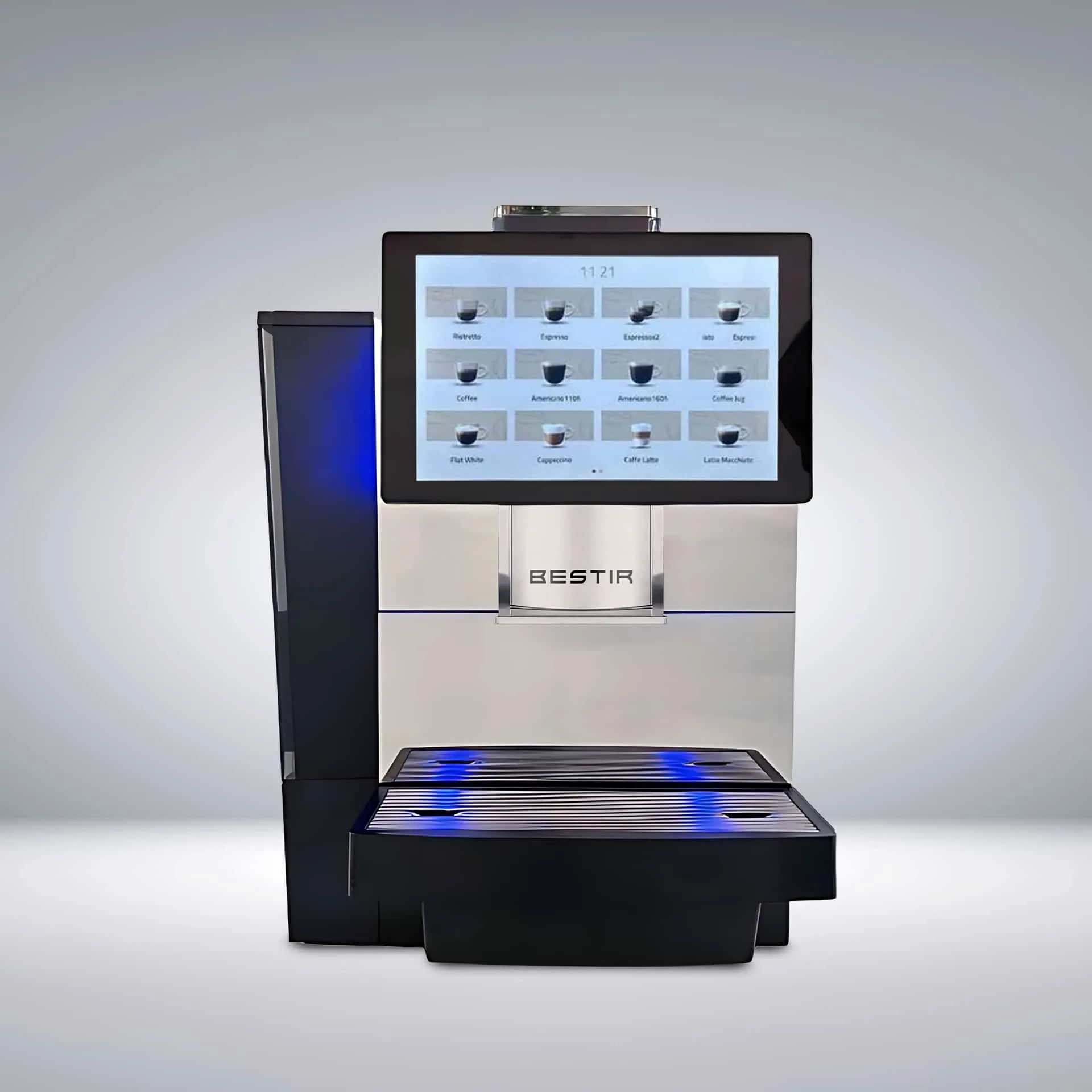
 BESTIR BM50
 BESTIR BM80
 BESTIR BMC300
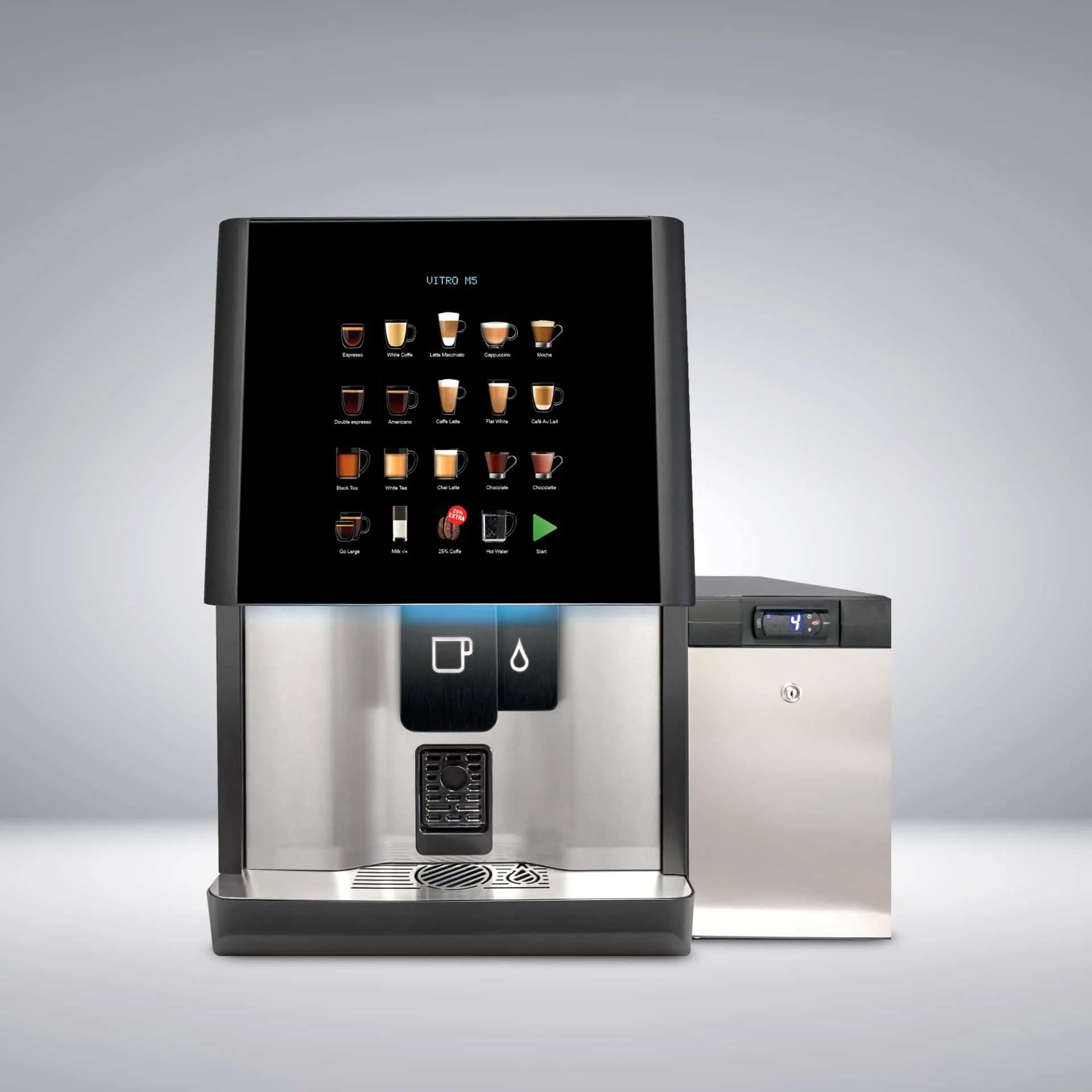
 Coffetek Vitro M5 MIA
 Coffetek Vitro S1
 Coffetek Vitro S1 MIA
 Coffetek Vitro X1 MIA
 Coffetek Vitro X3
 Primio Coffee Beans
 Espresso Coffee Beans
 Ultimo Coffee Beans
 Vero Coffee Beans
 Coffetek Vitro X4 ESP
 FRANKE A300 FM
 FRANKE A400
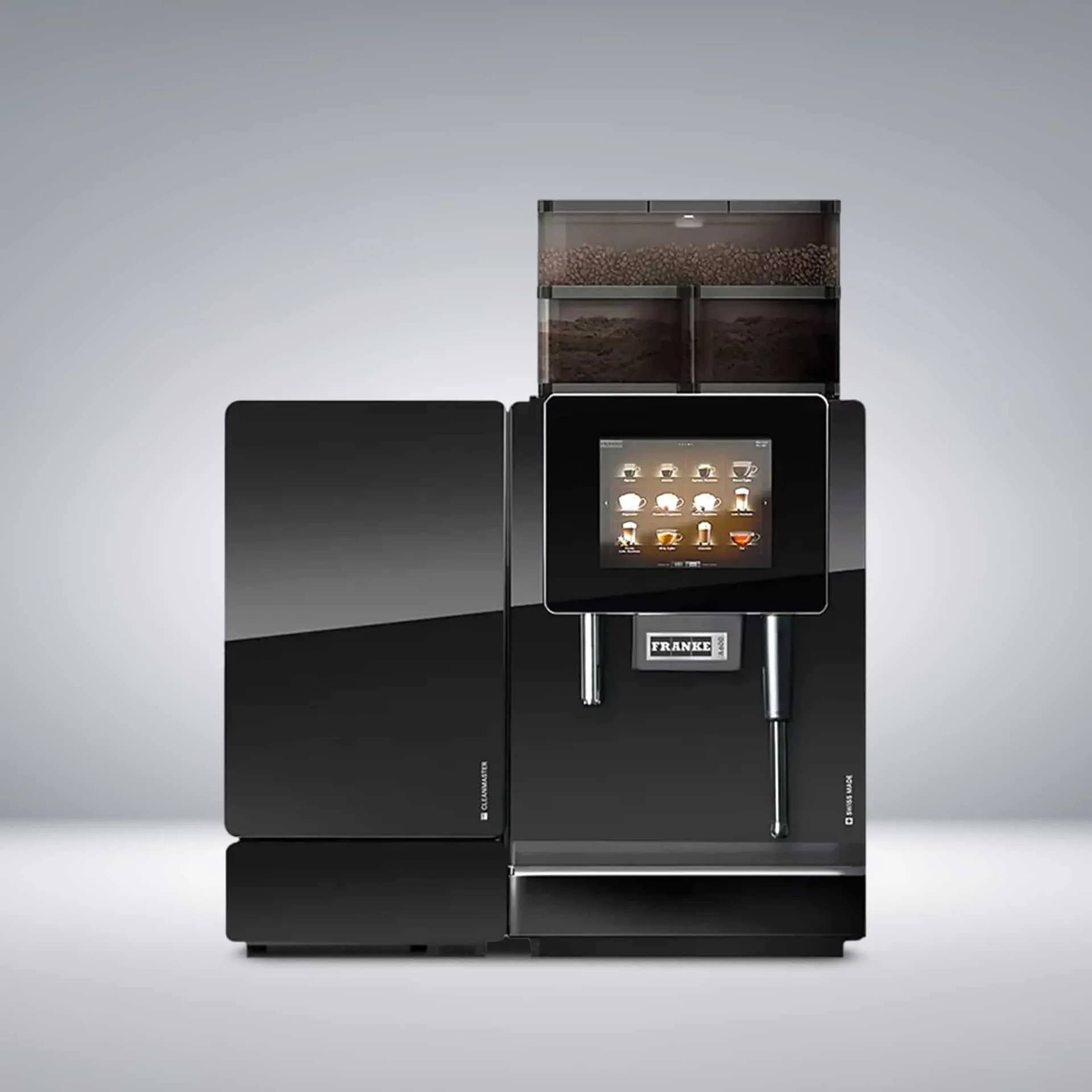
 FRANKE A600
 FRANKE A800
 Gaggia Milano LA BRILLANTE
 Gaggia Milano LA RADIOSA
 Gaggia Milano LA SOLARE
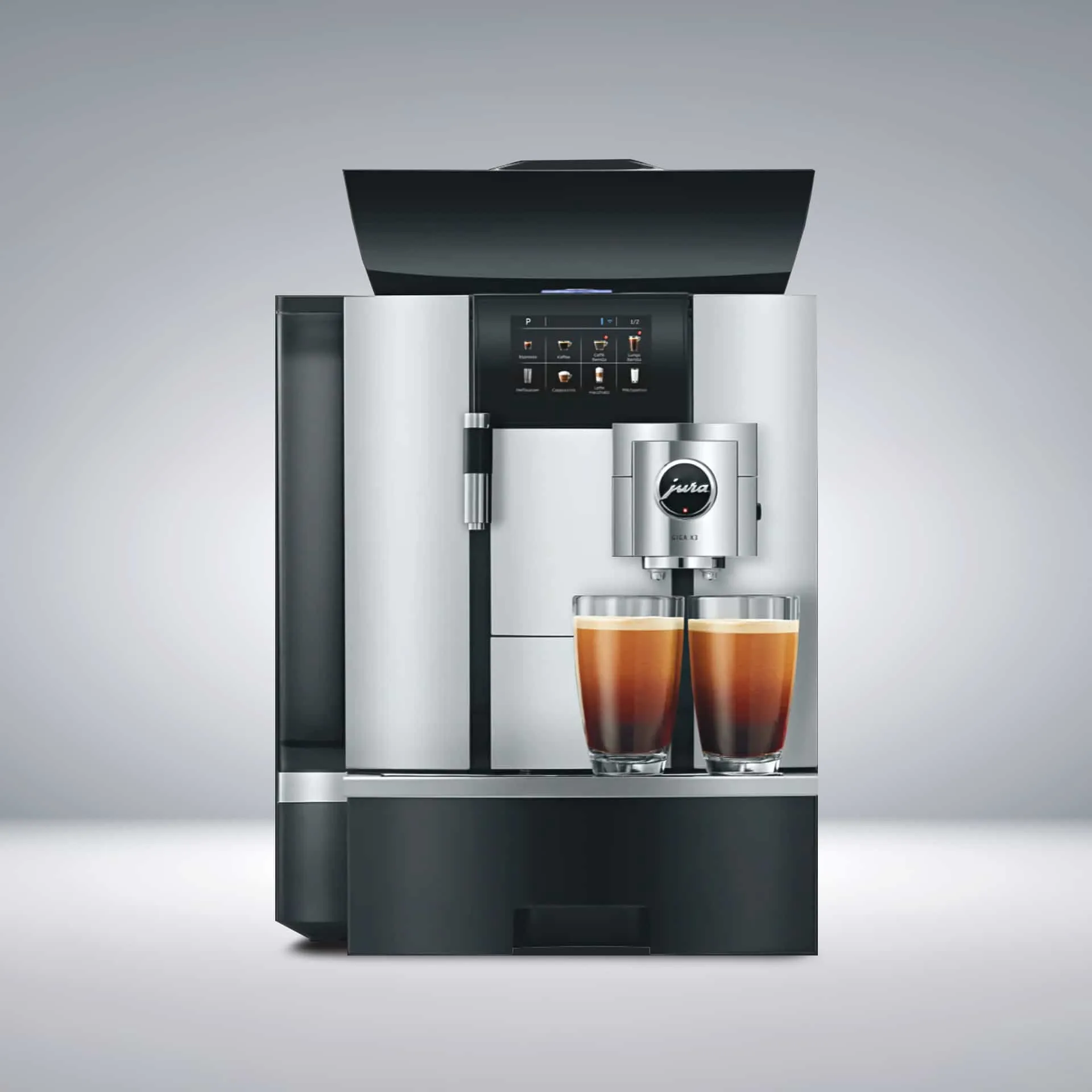
 Jura GIGA X3 GEN II
 Jura GIGA X8 - GEN II
 Jura W8 - GEN II
 Jura X10
 NECTA KALEA PLUS
 Rex-Royal S1
Bean-to-Cup Versus Pod Systems for Workplaces
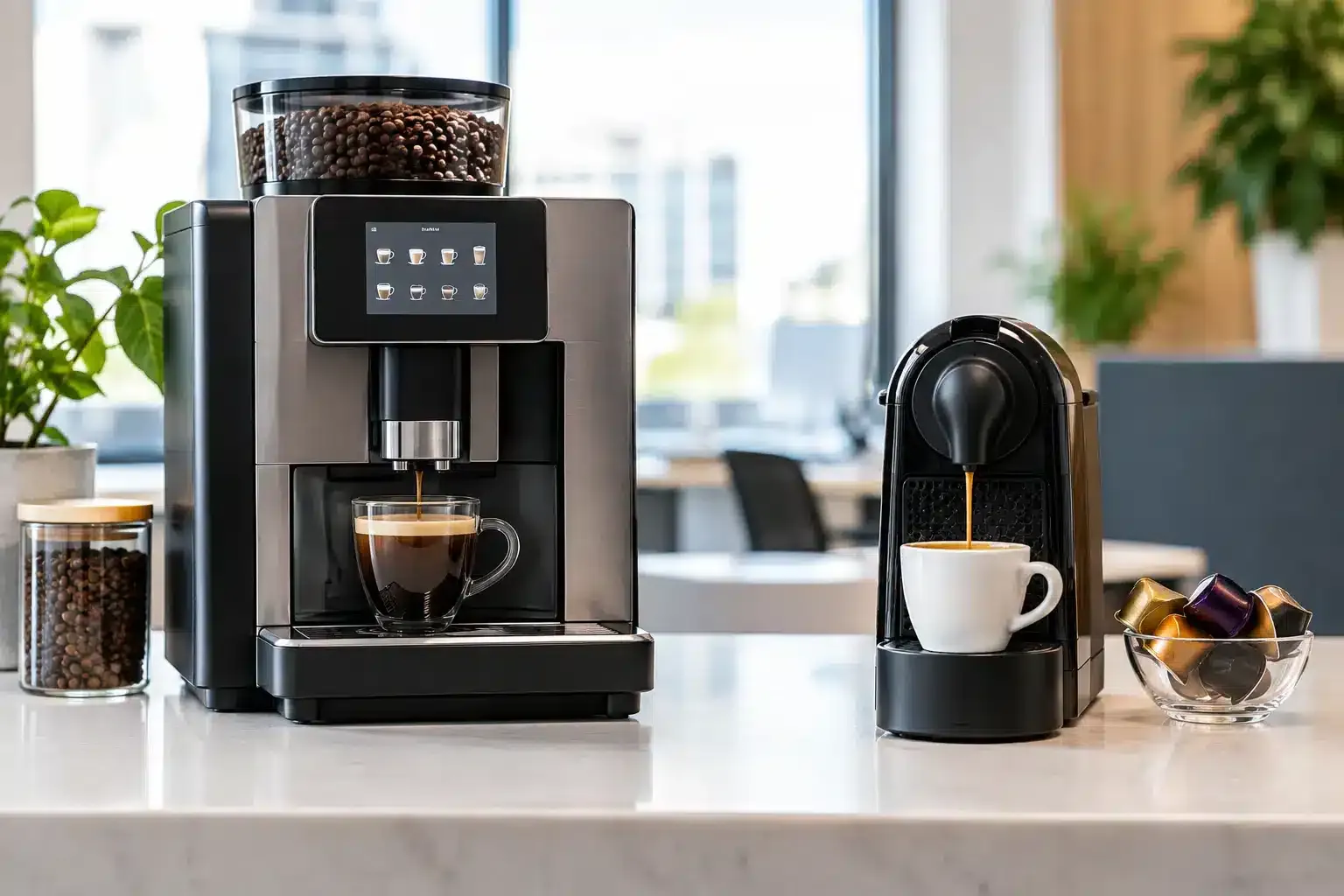
A coffee point can be a quiet perk or a visible part of your workplace experience. The difference often comes down to the machine behind the counter. When comparing bean-to-cup versus pod systems, the right answer is rarely about which option is objectively better. It is about daily demand, who will use it, the drinks you want to serve and how much hands-on management your team can reasonably take on.
For a five-person office with occasional visitors, pods may be perfectly sensible. For a busy office floor, hotel breakfast area or customer-facing showroom, a commercial bean-to-cup machine can make far more commercial sense over time. The key is to look beyond the purchase price and assess the full cost and experience of every cup.
Bean-to-cup versus pod systems: the practical difference
A bean-to-cup machine grinds whole coffee beans for each drink, then brews espresso-based drinks at the touch of a button. Commercial models can offer black coffee, espresso, americano, cappuccino, latte and hot chocolate, with fresh milk or powdered milk configurations depending on the setting.
A pod system uses pre-portioned capsules. The user inserts a pod, selects a drink and disposes of the capsule afterwards. They are familiar, quick to understand and require little coffee knowledge from staff or guests.
That sounds straightforward, but the operational difference is significant. Bean-to-cup equipment is designed to deliver repeated, café-style drinks at volume. Pods prioritise individual convenience and a compact footprint. Neither removes the need for cleaning or stock management, but the type and scale of those tasks are very different.
Coffee quality and the impression you create
Freshly ground coffee has a clear advantage when quality is a priority. Beans retain their flavour best until they are ground, so a properly configured bean-to-cup machine gives employees, clients and guests a fresher aroma and a fuller cup. It also lets a business choose a coffee that suits its brand, whether that means a smooth, crowd-pleasing blend for an office or a more distinctive roast for a hospitality venue.
Pod coffee can be consistent, particularly for standard black drinks. However, the coffee is ground and sealed before it reaches your site. Some users will be entirely happy with it, while others will notice a difference in depth, freshness and crema. In a client meeting room, premium showroom or hotel reception, that difference can matter.
Milk is another dividing line. Fresh milk bean-to-cup machines produce a more authentic latte or cappuccino and can be a strong fit where milk-based drinks are popular. They do require a daily milk-system clean and sensible fridge management. Pod machines with milk capsules simplify preparation, but may not deliver the same texture or drink quality. Powdered milk systems sit between the two: convenient for higher-volume workplaces, though generally less indulgent than fresh milk.
Capacity changes the cost equation
The most common mistake is comparing machine prices without comparing cup volume. A pod machine can look cost-effective when only a handful of drinks are made each day. Once demand rises, the per-cup cost of pods can become a noticeable ongoing expense.
Bean-to-cup machines usually carry a higher equipment cost, whether bought outright, leased or rented. Yet whole beans are typically more cost-efficient per serving than branded capsules, particularly across dozens or hundreds of cups each week. Larger commercial machines also have bean hoppers, waste containers and drip trays built for regular use, reducing interruptions during busy periods.
As a guide, pod systems often suit small teams, private offices, meeting rooms or low-use areas where variety is limited and convenience is the main requirement. Bean-to-cup systems are usually the stronger option for workplaces serving consistent daily demand, often from around 20 cups per day upwards. The exact threshold depends on the machine, coffee choice and service arrangement, so it is worth modelling your likely weekly usage rather than relying on a broad rule.
Capacity is not only about how many drinks the machine can make. Consider peak periods. If 30 people arrive between 8.30 and 9.00am, a domestic-style pod machine can soon create a queue and run out of water or capsules. A plumbed-in commercial bean-to-cup machine can keep serving with a stable water supply, while a tank-fed model may suit sites where plumbing is unavailable.
Cleaning, maintenance and day-to-day responsibility
Pods are often seen as maintenance-free. They are not. Staff still need to empty used capsules, clean the drip tray, descale the machine and keep compatible pods in stock. The task is simple, but it can be overlooked in a busy workplace, especially when responsibility is unclear.
Bean-to-cup machines need a more structured routine. The grounds container and drip tray must be emptied, the brew system requires cleaning, and fresh milk systems need daily rinsing and cleaning to meet good hygiene standards. Modern commercial machines make this easier with guided on-screen cleaning programmes, but the routine still needs an owner.
The benefit is that professional support can be built around the machine. A maintenance plan can cover scheduled servicing, call-outs and, depending on the agreement, replacement equipment if a fault cannot be resolved quickly. This is valuable when coffee is part of the working day or guest offering rather than an occasional extra.
Before choosing either system, ask a practical question: who will refill it, clean it and act when something goes wrong? A suitable machine should fit the people running it, not just the people drinking from it.
Waste, storage and sustainability considerations
Pod systems create a visible stream of single-use waste. Some capsules can be recycled through dedicated schemes, but collection, sorting and participation need to be realistic for your site. If used pods are simply placed in general waste, the environmental benefit of recyclable materials is limited.
Bean-to-cup machines produce spent coffee grounds instead. Grounds can often be added to food-waste collections or used in composting arrangements where available. There is still packaging from bean bags, cleaning products and milk, but many businesses find that the overall waste is easier to manage at higher volumes.
Storage also deserves attention. Pods are tidy but can occupy considerable cupboard space when your business offers several blends, decaf and milk options. Beans tend to be simpler to stock, particularly when a supplier provides regular replenishment based on consumption.
Which machine suits your workplace?
Choose a pod system when coffee demand is low, space is tight and users value quick, familiar operation above a café-style menu. It can be a sensible solution for a small boardroom, a satellite office or a low-footfall waiting area. It may also suit businesses that need a straightforward secondary coffee point alongside a main machine.
Choose bean-to-cup when coffee is a daily workplace benefit, a customer-facing touchpoint or a meaningful part of hospitality. It is particularly well suited to medium and larger offices, car showrooms, hotels, gyms, cafés and shared workspaces. The right commercial model can be selected around drinks per day, available counter space, fresh or powdered milk, mains water access and the level of service required.
There are exceptions. A small but design-led agency may decide that high-quality coffee is worth the investment despite low volume. A large site with several lightly used floors may use a central bean-to-cup station and pods in quieter breakout areas. A good coffee solution should reflect how people actually move through the building, not just headcount on paper.
Make the decision easier before committing
Start with a short usage audit over one or two weeks. Count likely daily drinks, identify peak times, note the most popular drink types and check where the machine will sit. Measure the space, confirm whether mains water is nearby and establish who will handle routine cleaning. These details narrow the choice quickly.
Then consider how much flexibility you need. Buying can suit businesses with settled requirements and capital available. Rental or leasing can spread the cost and leave room to upgrade, downgrade or change the setup as team size and demand evolve. Full House Coffee can assess the site and recommend a commercial machine around those practical realities, with coffee supply and maintenance support available where needed.
The best coffee machine is the one that gets used without becoming another facilities problem. Give your team a better cup, give visitors a better welcome and choose a setup that remains sensible when the first rush of the day begins.