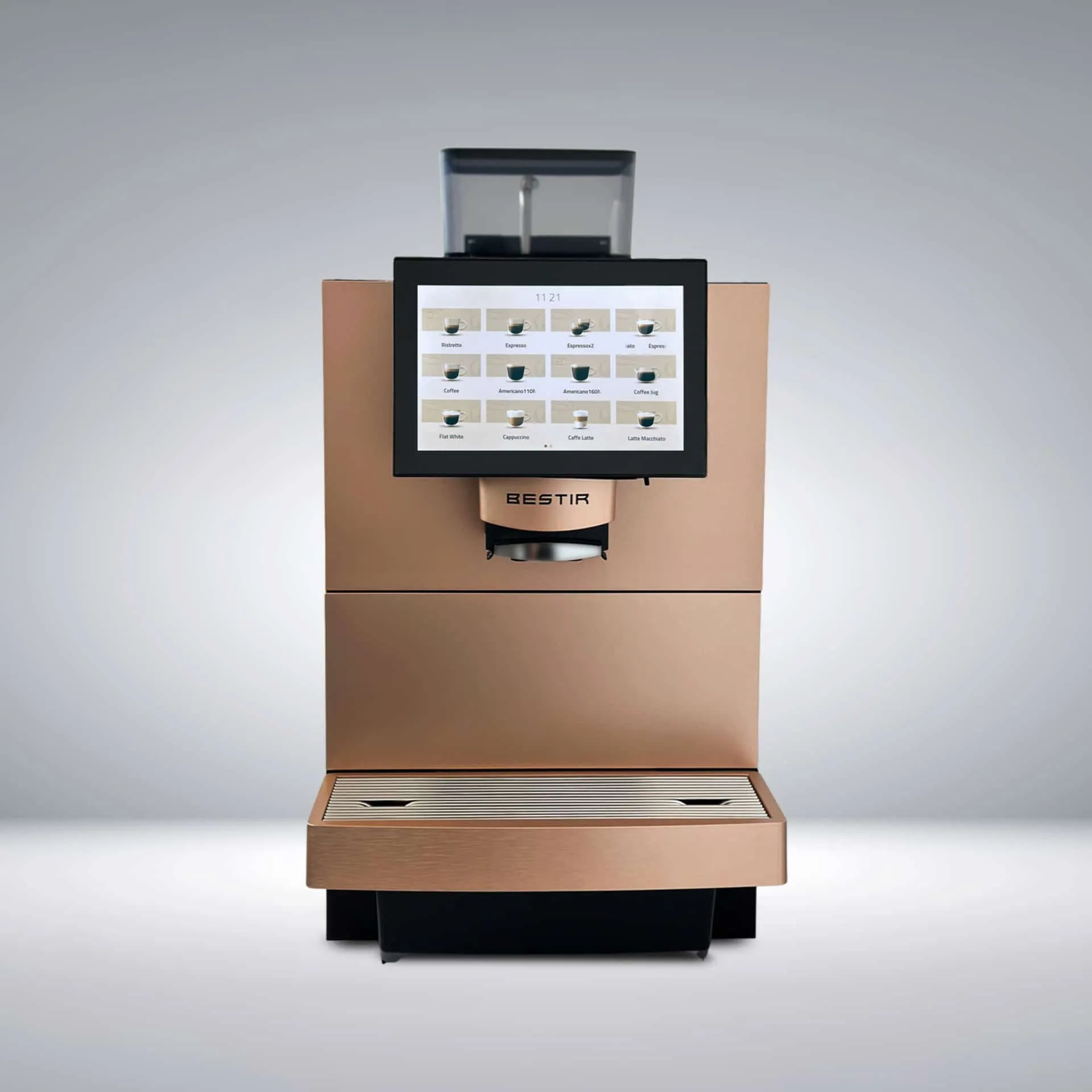
 BESTIR BM50
 BESTIR BM80
 BESTIR BMC300
 Coffetek Vitro M5 MIA
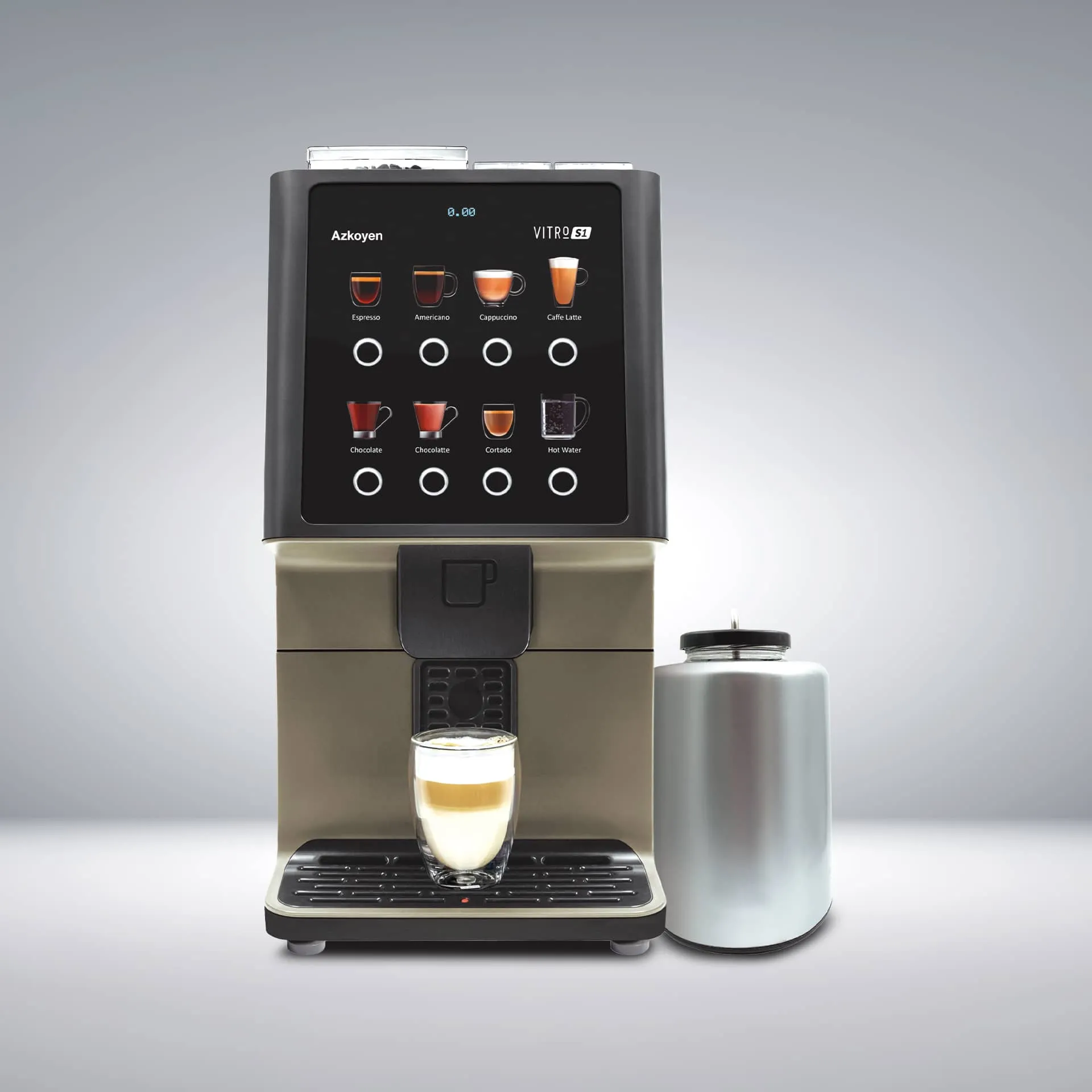
 Coffetek Vitro S1
 Coffetek Vitro S1 MIA
 Coffetek Vitro X1 MIA
 Coffetek Vitro X3
 Primio Coffee Beans
 Espresso Coffee Beans
 Ultimo Coffee Beans
 Vero Coffee Beans
 Coffetek Vitro X4 ESP
 FRANKE A300 FM
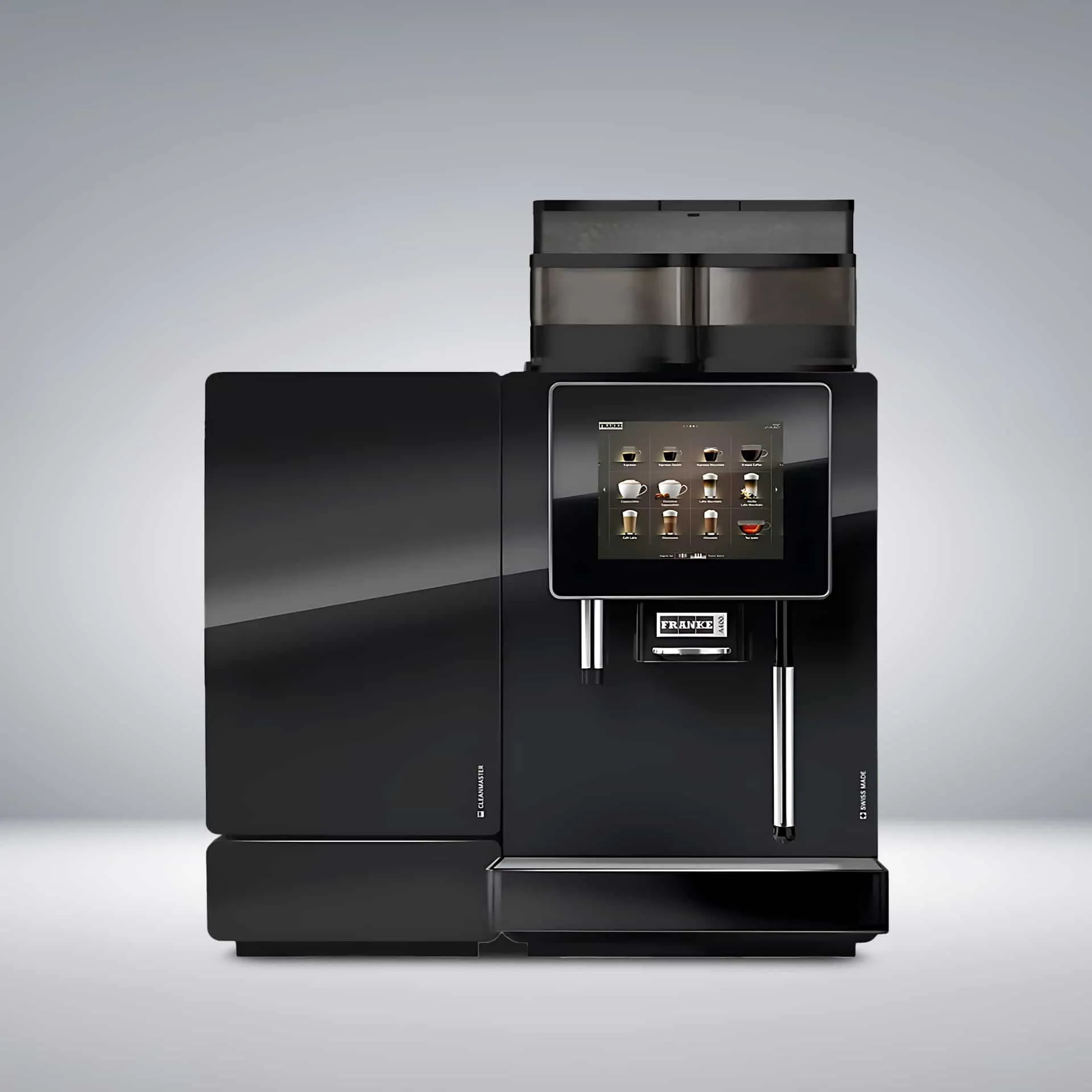
 FRANKE A400
 FRANKE A600
 FRANKE A800
 Gaggia Milano LA BRILLANTE
 Gaggia Milano LA RADIOSA
 Gaggia Milano LA SOLARE
 Jura GIGA X3 GEN II
 Jura GIGA X8 - GEN II
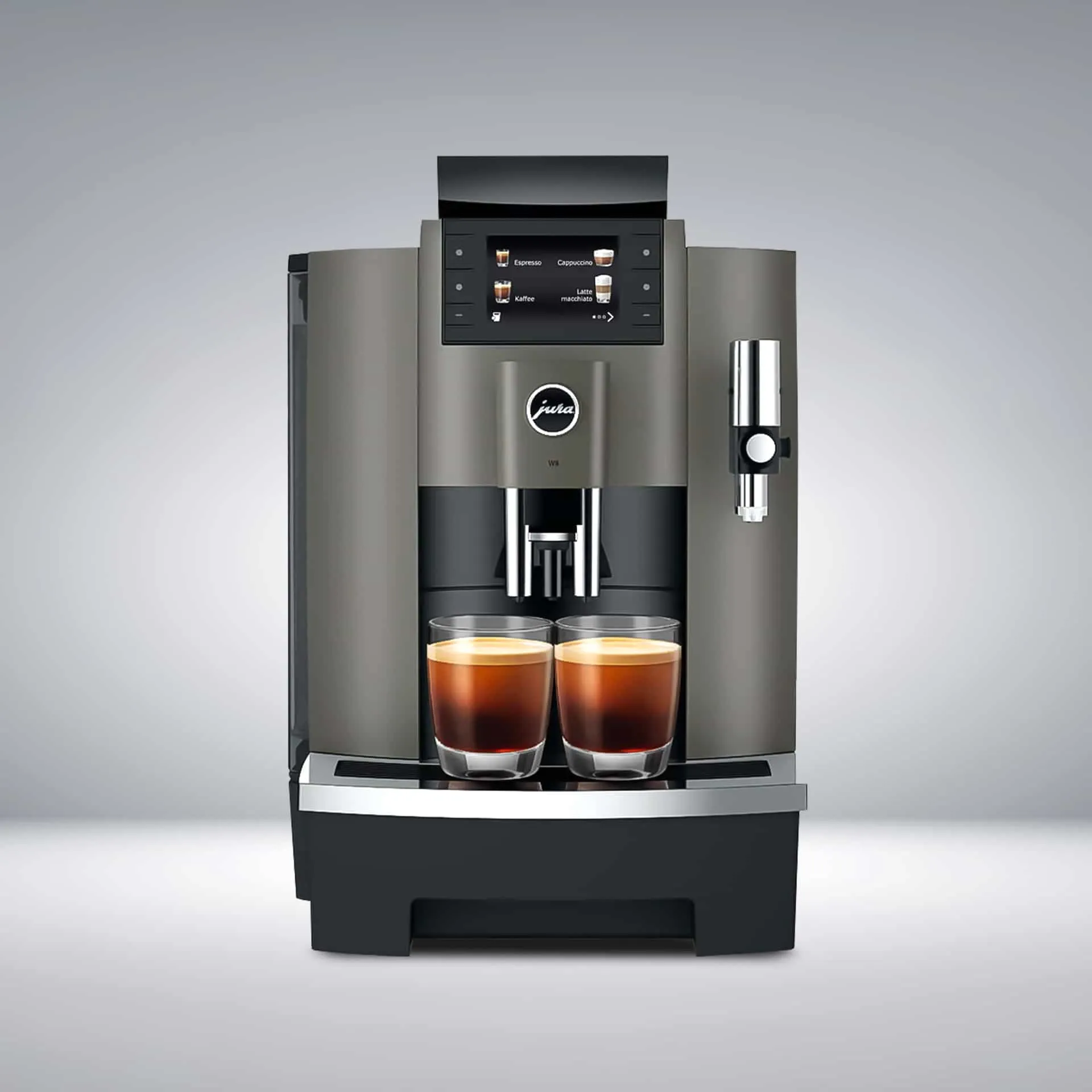
 Jura W8 - GEN II
 Jura X10
 NECTA KALEA PLUS
 Rex-Royal S1
Coffee Rental Versus Purchase for Your Business
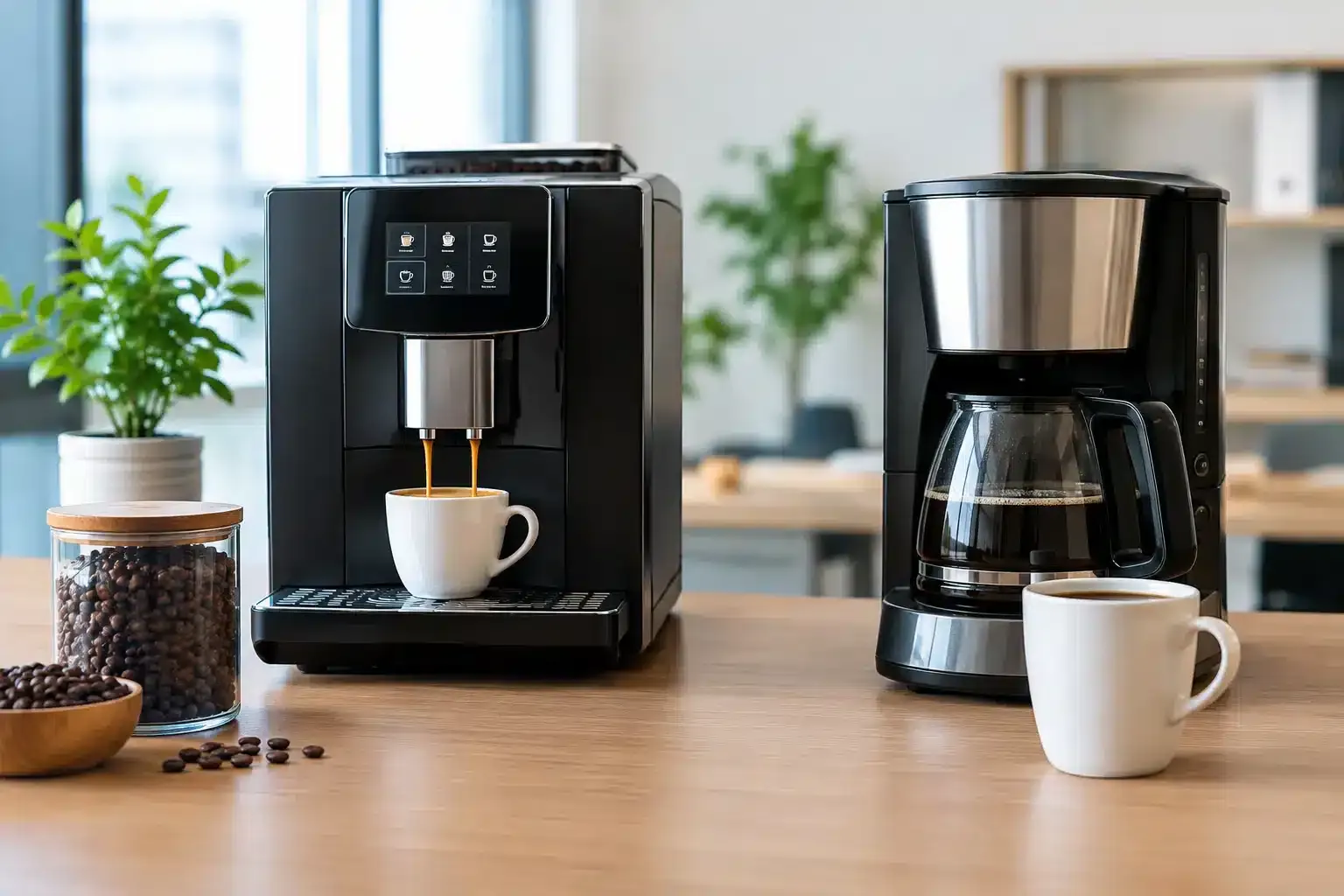
A commercial coffee machine can quickly become part of how your business feels to employees, visitors and customers. Yet when comparing coffee rental versus purchase, the best choice is rarely just about the headline monthly price or machine cost. It is about how much coffee you need to serve, how predictable that demand is, who will maintain the equipment and how much flexibility your business needs over the next few years.
For a busy office, hotel reception, showroom or customer-facing venue, the right arrangement should make great coffee easy to provide - not create another item for the facilities team to chase. Here is how to assess both options with confidence.
Coffee rental versus purchase: the commercial difference
Buying a coffee machine means your business owns the equipment outright. You pay the full cost at the start, then take responsibility for servicing, repairs, consumables and eventual replacement unless you arrange separate support.
Renting means paying an agreed monthly amount to use the machine. Depending on the package, this can include installation, planned maintenance, breakdown support, bean supply and the ability to move to a different machine if your requirements change. A lease is similar in that it spreads the cost over a fixed term, although the exact ownership and service arrangements depend on the agreement.
Neither route is automatically better. A well-established business with stable demand, internal maintenance capability and capital available may favour purchase. A growing workplace or hospitality venue that values predictable expenditure and ongoing support may find rental more practical.
When purchasing a coffee machine makes sense
Purchase can be a strong option when you know exactly what you need and expect that requirement to remain stable for several years. It gives you ownership from day one and avoids an ongoing rental commitment once the initial investment is paid.
This approach often suits businesses that have already used commercial machines before and understand their likely daily cup volume. For example, an independent café with experienced staff, a proven menu and a clear maintenance routine may prefer to choose a specific machine and own it outright. The same can apply to larger organisations with a facilities budget set aside for capital equipment.
The benefits of buying
The clearest benefit is long-term control. You choose the machine, own the asset and can continue using it for as long as it remains productive and reliable. If the machine is well maintained and demand stays consistent, the total cost over a long period may be lower than a rental arrangement.
Purchase also gives you freedom to select separate suppliers for beans, cleaning products and repairs. That can suit a business with existing supplier relationships or a particular in-house coffee programme.
There may also be accounting advantages to owning equipment, but these should be discussed with your accountant. The right treatment depends on your business structure and the way the machine is financed.
The responsibilities that come with ownership
The upfront outlay is the main consideration. A premium commercial bean-to-cup machine, particularly one with fresh milk capability, a high-capacity bean hopper or a direct water connection, is a serious business investment. Paying in full can restrict cash available for staffing, stock, marketing or other operational priorities.
Ownership also means ownership of the problems. Commercial machines work hard, especially in offices serving 50, 100 or more drinks a day. Filters need changing, milk systems need thorough daily cleaning, brew units require care and components eventually wear out. A machine that is offline during a busy morning can affect staff morale and the impression you make on guests.
Separate maintenance cover can reduce that risk, but it needs to be factored into the true cost of buying. So do installation, water filtration, staff training, call-out fees and the cost of replacing a machine that no longer suits your site.
When coffee machine rental is the better fit
Rental is designed for businesses that want quality coffee provision without tying up a large amount of capital in equipment. Rather than making one substantial payment, you spread the cost into manageable monthly expenditure and can often combine equipment, service and coffee supply in one arrangement.
It is particularly useful when you are opening a new location, refreshing an office, expanding headcount or introducing better coffee as part of a staff wellbeing or client experience programme. At this stage, demand can be difficult to predict. Rental gives you room to adjust once you know how people actually use the machine.
Predictable costs and less operational pressure
A rental package can make budgeting simpler. Instead of absorbing the full cost of a commercial machine at once, you know what you will pay each month and what support is included. This is valuable for office managers and procurement teams working to fixed operating budgets.
The other major benefit is continuity. Where maintenance and support are included, you have a clear route for planned servicing and unexpected faults. Your team is not left searching for an engineer when the machine develops an issue. For customer-facing settings, that reassurance can matter as much as the machine itself.
Rental can also reduce the risk of buying the wrong specification. A machine that looks ideal on paper may prove too slow at morning peak, too large for the counter space or insufficient for demand once a team returns to the office more regularly. The ability to upgrade or change a setup can be far more valuable than owning a machine that no longer fits.
Check what your rental agreement includes
Not all rental packages are identical, so compare the service detail rather than focusing solely on the monthly figure. Ask whether installation is included, whether the machine needs a plumbed-in water supply, how often planned maintenance is carried out and what happens if there is a breakdown.
You should also clarify whether replacement filters, cleaning materials, staff training and coffee beans are part of the arrangement. Fresh milk machines, for instance, provide an excellent café-style experience but need consistent daily cleaning. The best package is one your team can realistically manage without compromising hygiene or drink quality.
Finally, understand the term, notice period and options for upgrading. Flexibility has real commercial value, but it should be clearly stated rather than assumed.
Compare the total cost, not just the machine price
A useful way to decide is to compare the whole operating picture over the period you expect to use the equipment. The purchase price alone is not the total cost of ownership, and the rental fee alone does not tell you everything about value.
For purchase, include the machine, installation, filtration, delivery, servicing, repairs, cleaning products and likely replacement cycle. For rental, include the monthly payment, any initial charges, coffee supply commitments, excess usage terms and the cost of options outside the standard service package.
Then consider downtime. If a machine failure means staff queue for instant coffee or a hotel guest cannot order a proper flat white, the cost is not only financial. It affects the everyday experience of your workplace and the standards associated with your business.
Choose the machine around demand, not wishful thinking
The right finance option only works when it is paired with the right machine. Before deciding, estimate your normal daily drinks volume and identify the busiest 30-minute period. A machine serving 30 cups a day has very different requirements from one handling 150 drinks across several floors.
Think about who will use it and what they will expect. A simple bean-to-cup machine with fresh milk may be ideal for a professional office where users want espresso-based drinks at the touch of a button. A high-volume hospitality site may need larger hoppers, dual grinders, direct water connection and a higher output capacity. A smaller showroom may prioritise compact dimensions and polished design.
Available space matters too. Check counter depth, access for refilling and cleaning, power supply, drainage and water connection options. These details are best considered before a machine arrives, not on installation day.
Questions to ask before you commit
Start with your practical priorities. Do you need to preserve capital for other parts of the business? Is your headcount or visitor volume likely to change? Would a breakdown create an operational problem? Do you have someone able to manage cleaning and maintenance properly? And are you buying a machine for staff refreshment, premium guest service or revenue-generating coffee sales?
If you value ownership and are comfortable managing support separately, purchase may give you the control you want. If you want a dependable monthly arrangement with expert support and the freedom to adapt, rental is often the lower-pressure route.
Full House Coffee can assess your site, expected drink volume and preferred coffee experience before recommending an appropriate rental, lease or purchase route. No pressure, just expert advice that keeps the machine, the budget and the day-to-day workload in proportion.
The most useful decision is the one that leaves your team with consistently good coffee and leaves you with fewer operational surprises.