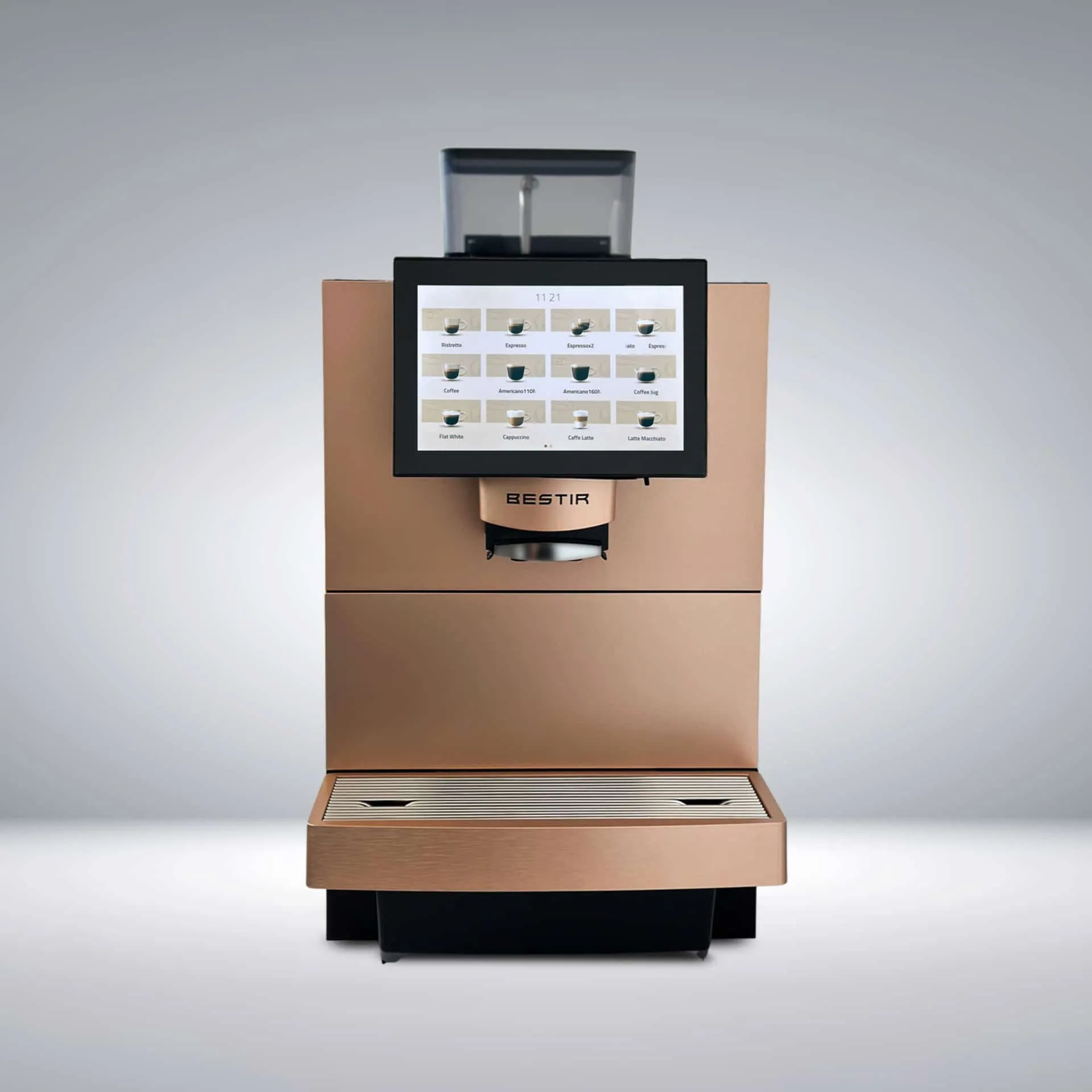
 BESTIR BM50
 BESTIR BM80
 BESTIR BMC300
 Coffetek Vitro M5 MIA
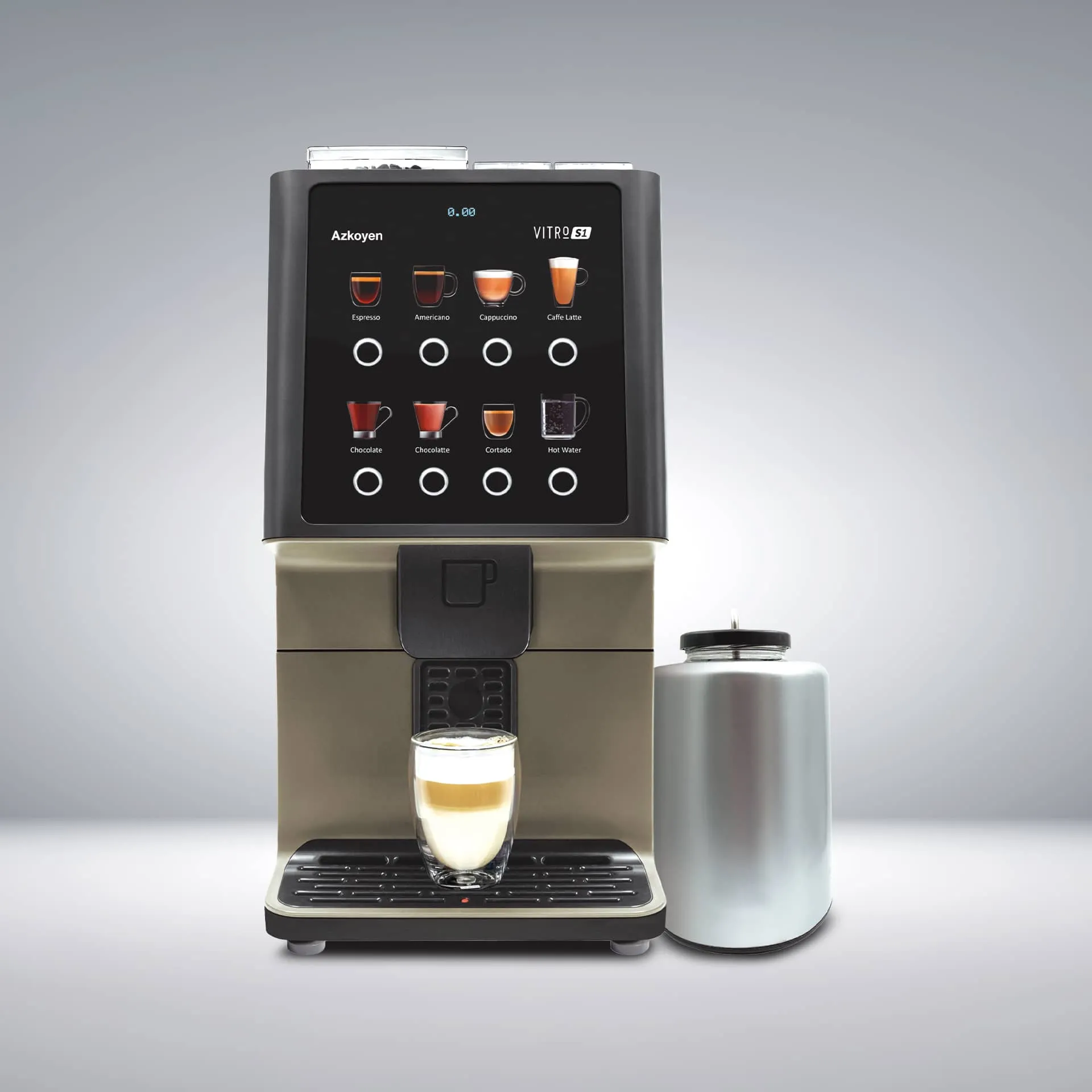
 Coffetek Vitro S1
 Coffetek Vitro S1 MIA
 Coffetek Vitro X1 MIA
 Coffetek Vitro X3
 Primio Coffee Beans
 Espresso Coffee Beans
 Ultimo Coffee Beans
 Vero Coffee Beans
 Coffetek Vitro X4 ESP
 FRANKE A300 FM
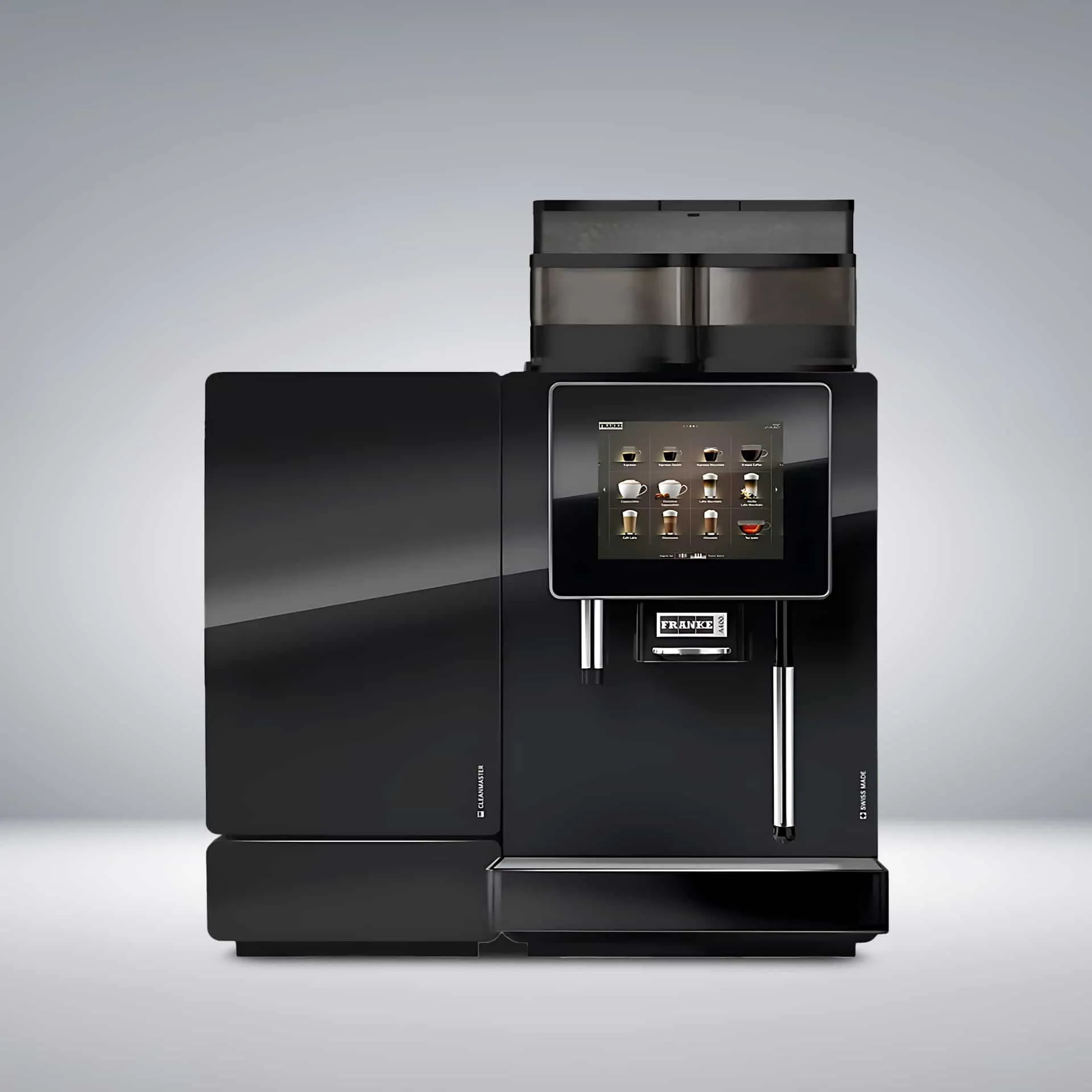
 FRANKE A400
 FRANKE A600
 FRANKE A800
 Gaggia Milano LA BRILLANTE
 Gaggia Milano LA RADIOSA
 Gaggia Milano LA SOLARE
 Jura GIGA X3 GEN II
 Jura GIGA X8 - GEN II
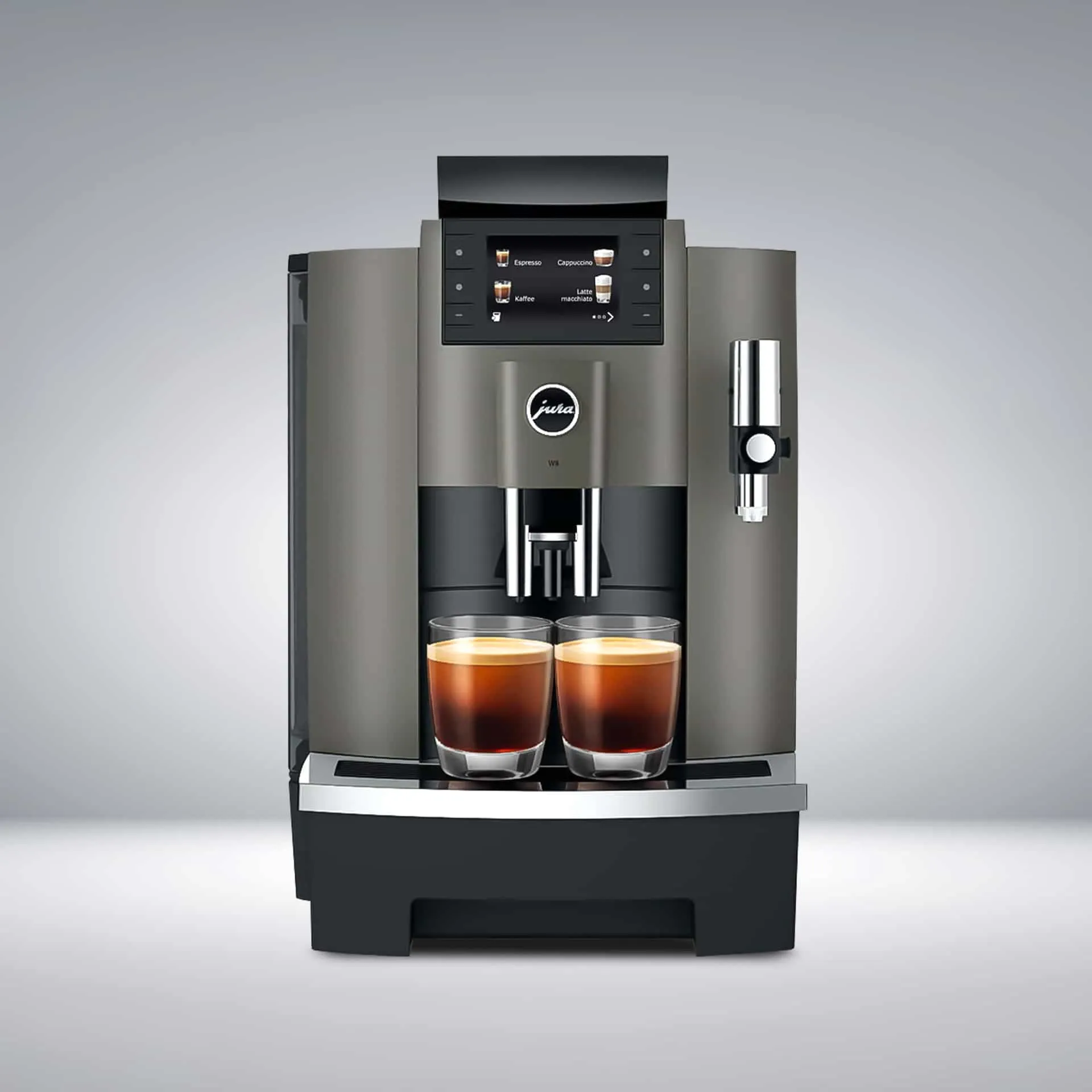
 Jura W8 - GEN II
 Jura X10
 NECTA KALEA PLUS
 Rex-Royal S1
Office Coffee Contract Guide for UK Businesses

The wrong office coffee contract rarely looks wrong on day one. The machine arrives, the drinks menu looks good and the monthly figure fits the budget. The issues usually appear later: a growing team exceeds the machine’s capacity, call-out cover is unclear, bean prices move unexpectedly, or an agreement makes upgrading more difficult than expected. This office coffee contract guide is designed to help UK businesses ask the right commercial questions before signing.
For most workplaces, coffee is not simply a staff perk. It is part of the daily working environment, a welcome for clients and a practical way to make busy days run better. Coffee: turning ‘leave me alone’ into ‘let’s get to work’ since forever. A well-chosen agreement should protect that experience without creating unnecessary administration for the person responsible for it.
Start with the coffee requirement, not the contract length
A contract should follow the needs of your site, rather than forcing your site to fit a standard package. Before comparing monthly costs, establish how the machine will actually be used. An office of 20 people who make 30 drinks a day has very different requirements from a 150-person workplace, hotel breakfast area or customer-facing showroom serving 200 drinks across a busy day.
Daily cup volume is the starting point. It influences the machine’s brewing capacity, bean hopper size, waste capacity, cleaning demands and whether a plumbed-in water supply is sensible. A machine that is too small may deliver good coffee initially but become a bottleneck at 10am. One that is significantly oversized can mean paying for features and capacity that will not be used.
Also consider the type of drinks expected. Black coffee, americanos and espressos place different demands on a machine than a workplace where flat whites, lattes and cappuccinos are the norm. Fresh milk systems create a premium café-style result, but they need appropriate cleaning routines and refrigeration. Powder milk can be a more practical choice in some high-volume or lightly managed environments. Neither is automatically better - it depends on the experience you want to provide and who will manage the machine day to day.
A proper site assessment should also cover available counter space, access to mains water and drainage, power supply, ventilation and the practical route for deliveries. These details sound minor until a machine cannot be installed where it is needed or requires a daily water refill that nobody has allowed time for.
Office coffee contract guide: rental, lease or purchase?
The right acquisition model depends on cash flow, expected contract duration and how likely your requirements are to change. There is no single best option for every business.
Rental: flexibility with predictable monthly costs
Rental can work well for businesses that want a fixed monthly arrangement and the option to respond as their workplace changes. It is particularly useful where headcount is growing, a site is temporary, or decision-makers want the coffee machine, service options and consumables arranged through one supplier relationship.
Check what the monthly figure includes. Some rental arrangements cover the machine only, while others may include installation, water filtration, preventative maintenance or breakdown support. Ask whether there is a minimum term, what happens at the end of that term and whether an upgrade or downgrade is available if drink volumes change.
Rental is often attractive because it preserves capital for other parts of the business. The trade-off is that a low monthly price does not always mean low overall cost, particularly if support, beans or installation are priced separately. Compare like for like rather than looking at the headline figure alone.
Lease: spread the cost of premium equipment
Leasing may suit established businesses investing in higher-specification equipment over a defined period. It can make a premium bean-to-cup machine more accessible without a large upfront payment, while giving predictable budgeting across the agreement.
The detail matters here. Clarify the lease term, payment schedule, end-of-term options, ownership position and any settlement costs if circumstances change. A lease can be commercially sensible when your needs are stable and the equipment specification is clear. It can be less suitable if you expect to move premises, reduce headcount or change the way staff and visitors use your space within the next year or two.
Purchase: control and long-term ownership
Buying outright gives you ownership of the machine and can be the right move for organisations with capital available and a long-term plan for the site. It offers control over servicing arrangements and coffee supply, but it also puts more responsibility on the buyer to organise maintenance, repairs and eventual replacement.
Purchase is not automatically the cheapest route. Commercial coffee equipment is a working asset, and downtime has a cost. Factor in water filters, scheduled servicing, replacement parts, emergency call-outs and staff time spent dealing with faults. A lower upfront machine price can be a false economy if it is poorly matched to demand.
Read the service terms as carefully as the price
For a workplace coffee machine, service support is often more valuable than a long drinks menu. A machine that is out of action on a Monday morning can quickly become everyone’s problem, especially in an office without a nearby café or in a hospitality setting where coffee is part of the guest offer.
Ask whether maintenance is included, optional or charged per visit. Preventative maintenance can reduce avoidable faults and help maintain drink quality, particularly in hard-water areas where filtration is essential. Find out what is covered in a breakdown, whether parts and labour are included, and how quickly an engineer is expected to attend.
Response times need context. A next-business-day response may be perfectly acceptable for a small office with a backup kettle and local coffee shop. A hotel reception, showroom or busy café may need faster support, a loan machine or a contingency plan. Be realistic about the operational effect of downtime rather than paying for a service level you do not need.
Cleaning responsibilities should be explicit too. Even a high-quality automatic machine needs daily attention. Confirm who is responsible for emptying grounds, cleaning milk components, topping up ingredients where applicable and carrying out the manufacturer’s rinse cycles. Service teams can support reliability, but they cannot replace simple daily care.
Understand the bean supply and consumables commitment
Coffee beans are a recurring cost and a key part of the experience your staff and guests receive. A contract that supplies excellent equipment but ties you into coffee that does not suit your team is unlikely to feel premium for long.
Check whether you are required to buy a minimum quantity of beans, whether pricing is fixed for a period and how delivery is managed. Look at the full consumables picture: beans, milk, chocolate where relevant, cleaning tablets, milk cleaner, water filters and cups if these are part of the supply arrangement.
It is also worth tasting the coffee before committing. Drink quality depends on the beans, machine settings, milk system and water treatment working together. A supplier should be able to advise on a suitable blend for your environment, whether you want an approachable everyday coffee for a large office or a more distinctive option for client-facing spaces.
Check flexibility before you need it
A good contract recognises that businesses change. Teams return to the office, sites relocate, customer footfall rises, or a new hospitality area opens. The machine that fits today may not fit next year.
Ask straightforward questions before signing: Can the machine be upgraded if volumes increase? Can you move it to another site? Is a downgrade possible if a location closes or staffing changes? What notice period applies, and are there collection, installation or early-exit charges?
This is where a consultative supplier relationship matters. No pressure, just expert advice should mean receiving a recommendation based on actual cup volumes, space and budget, not being pushed towards the largest machine or longest term. Full House Coffee can help businesses assess those practical details and match the equipment and support model to the way a workplace operates.
A practical checklist before approval
Before you approve an office coffee agreement, make sure the proposal answers four areas clearly:
- The equipment: expected cups per day, drink range, fresh or powder milk, water connection and space requirements.
- The cost: upfront payment, monthly charge, bean and consumable costs, installation, filters and any charges outside the agreement.
- The support: maintenance schedule, breakdown cover, response target, parts and labour, cleaning responsibilities and backup arrangements.
- The flexibility: minimum term, notice period, upgrade options, relocation terms and end-of-contract arrangements.
Request the terms in writing and compare proposals on the same basis. If one supplier includes servicing and filters while another quotes only for the machine, the lower figure is not necessarily the better deal.
The best office coffee contract is not the one with the cheapest monthly payment. It is the one that gives your people consistently good coffee, gives your business clear costs and gives the person managing the service far fewer problems to solve.