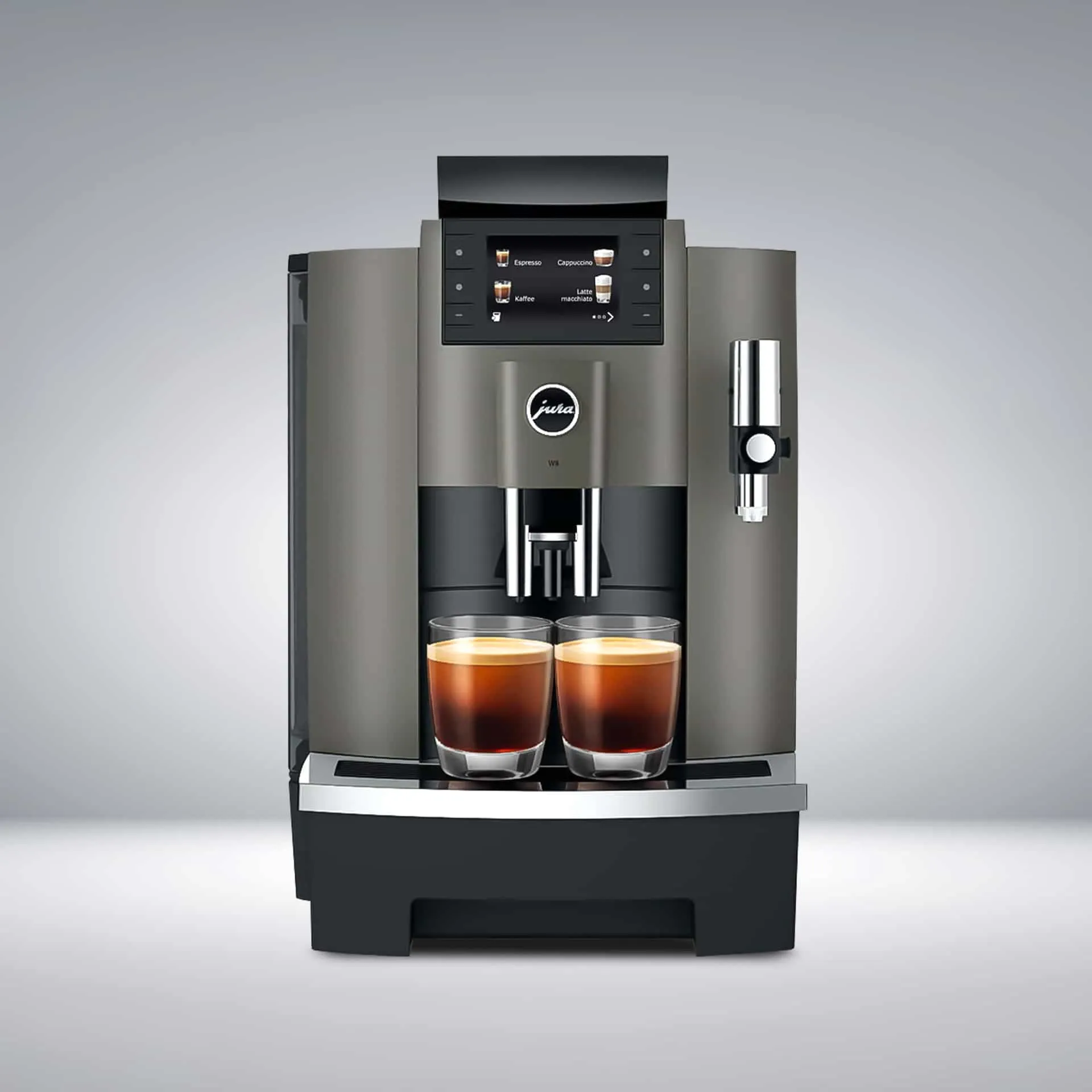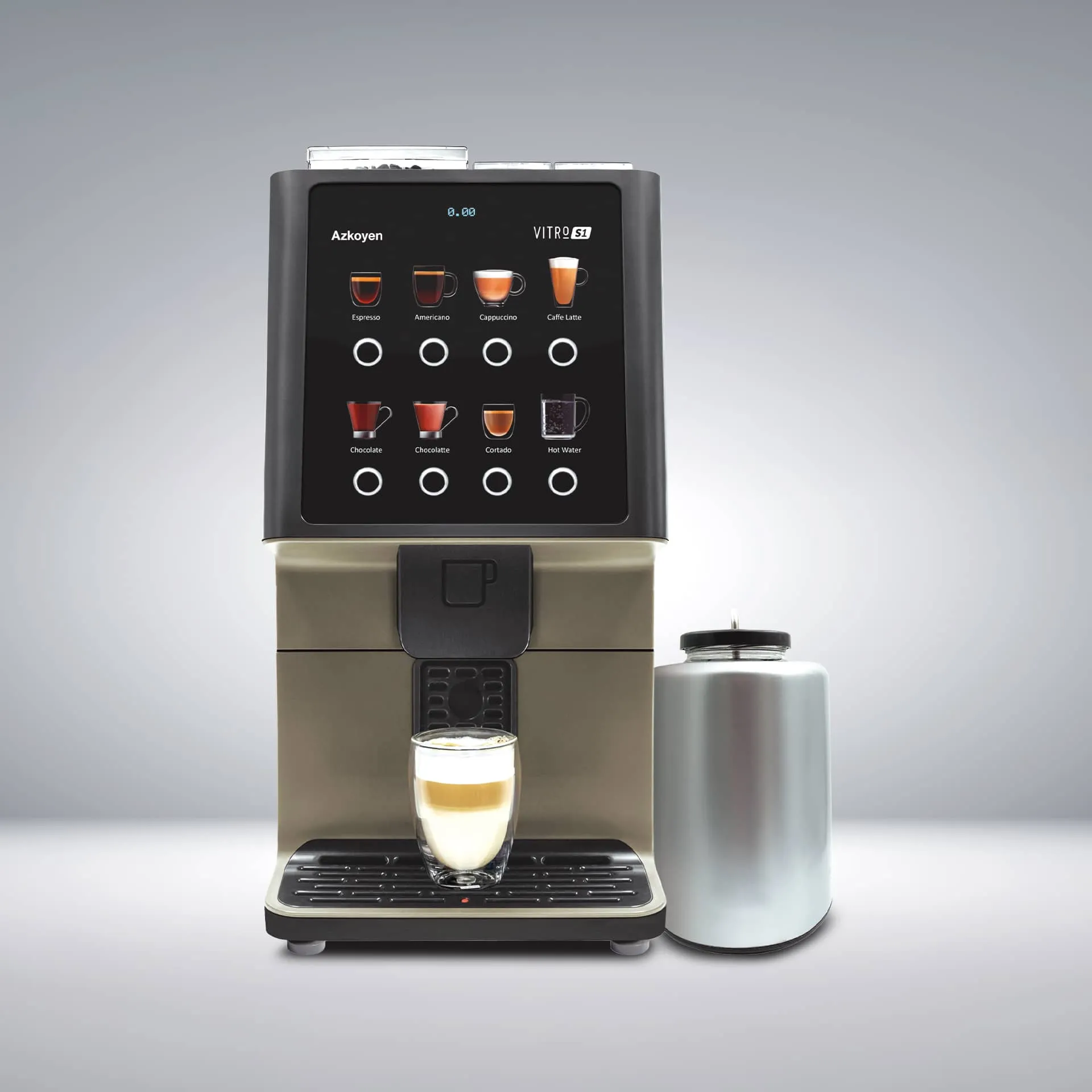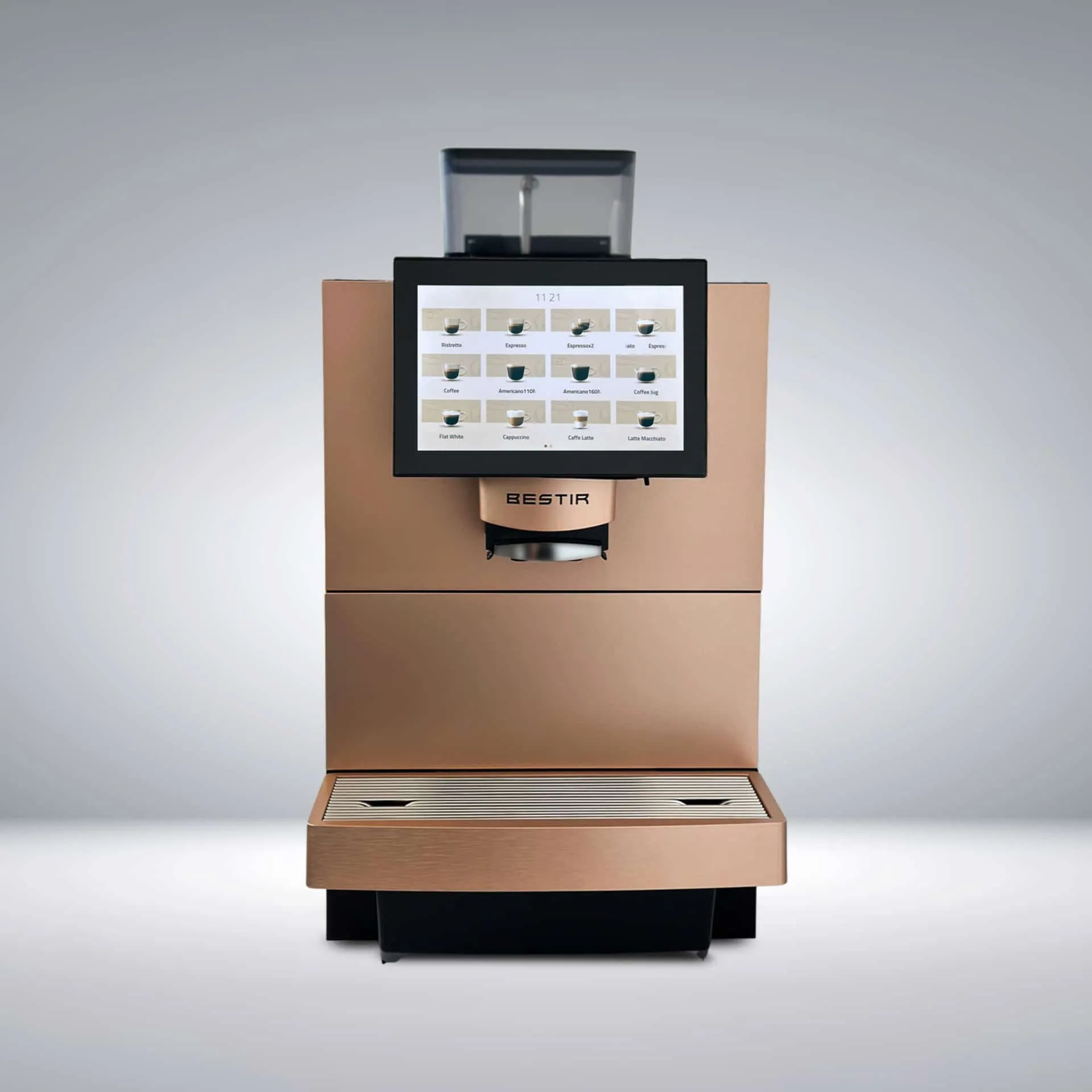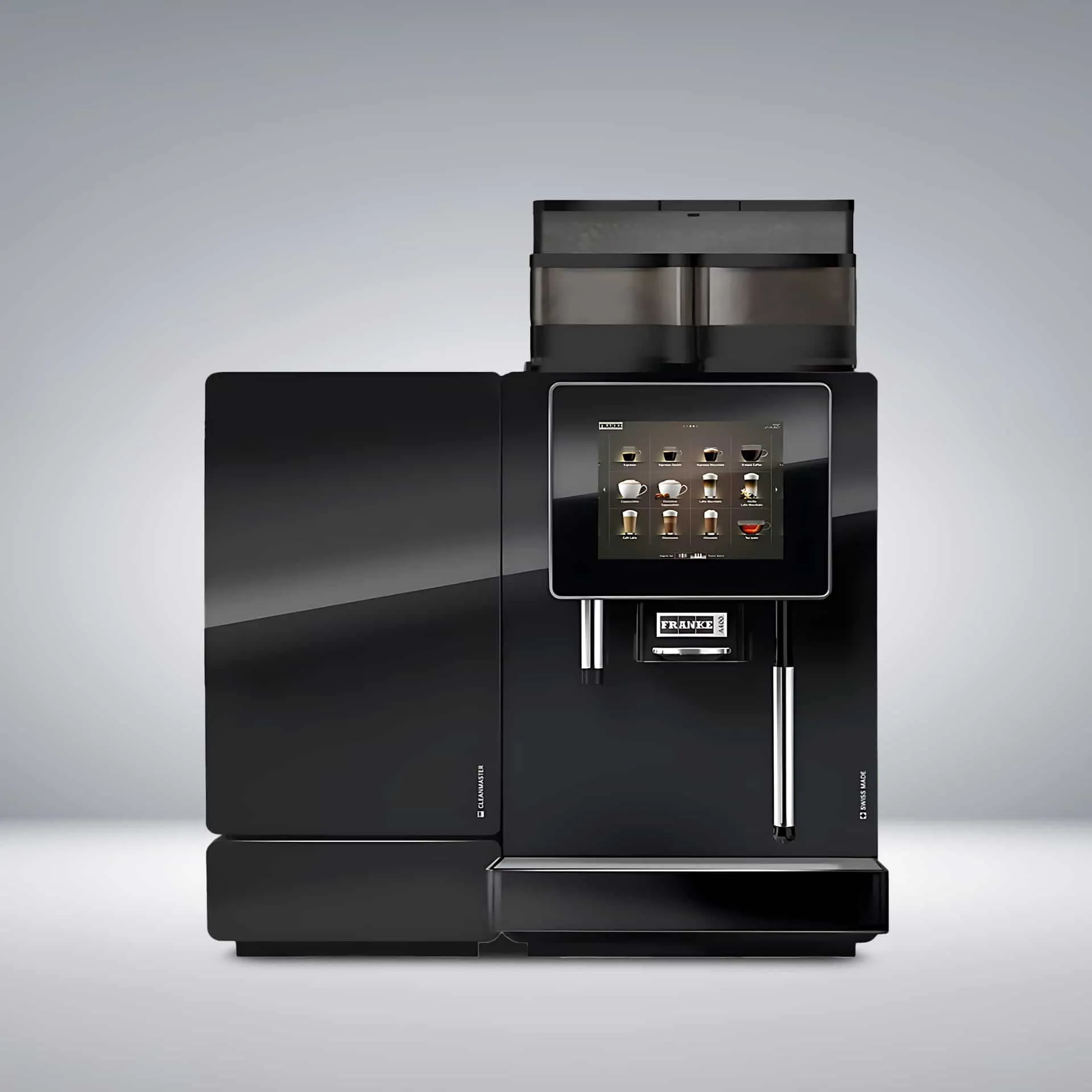
 BESTIR BM50
 BESTIR BM80
 BESTIR BMC300
 Coffetek Vitro M5 MIA
 Coffetek Vitro S1
 Coffetek Vitro S1 MIA
 Coffetek Vitro X1 MIA
 Coffetek Vitro X3
 Primio Coffee Beans
 Espresso Coffee Beans
 Ultimo Coffee Beans
 Vero Coffee Beans
 Coffetek Vitro X4 ESP
 FRANKE A300 FM
 FRANKE A400
 FRANKE A600
 FRANKE A800
 Gaggia Milano LA BRILLANTE
 Gaggia Milano LA RADIOSA
 Gaggia Milano LA SOLARE
 Jura GIGA X3 GEN II
 Jura GIGA X8 - GEN II
 Jura W8 - GEN II
 Jura X10
 NECTA KALEA PLUS
 Rex-Royal S1
Why Do Offices Rent Machines for Better Coffee?

A poor coffee setup rarely fails in one dramatic moment. It becomes a daily frustration: a queue at 9am, a machine out of action before a client visit, instant coffee in the cupboard because no one knows how to clean the fresh milk system. The question of why offices rent machines is worth asking properly. For many UK businesses, renting a commercial coffee machine is less about avoiding a purchase and more about making workplace coffee easier to manage.
The right rental arrangement gives a business access to suitable equipment, a clearer monthly cost and, often, help when the machine needs attention. It can turn coffee from another facilities problem into a dependable part of the working day.
Why do offices rent coffee machines?
The main reason is flexibility. Office headcount changes, hybrid working affects daily drink volumes, and a growing business may outgrow a machine far sooner than expected. Renting gives decision-makers a route to provide quality coffee now without committing all available capital to a machine that may not suit them in 18 months.
A commercial machine is also not a domestic appliance placed in a communal kitchen. It needs to cope with repeated use, different users and the practical realities of an office environment. Depending on the model, that might mean a larger bean hopper, fresh milk refrigeration, automatic cleaning programmes, a plumbed-in water connection or a tank-fed setup where plumbing is not possible.
When businesses rent, they can choose machinery around how the site actually operates. A small office with 15 regular coffee drinkers has different needs from a 150-person headquarters, a car showroom or a hotel breakfast area. The aim is not simply to get a machine on the worktop. It is to get the right level of performance without paying for unnecessary capacity.
Predictable monthly costs protect cash flow
Buying a premium bean-to-cup machine outright can make sense for some established sites with a fixed long-term requirement. But it requires a significant upfront payment, and the full responsibility for servicing, repairs and eventual replacement sits with the buyer.
Rental spreads the equipment cost into a manageable monthly payment. That makes budgeting simpler, particularly for businesses fitting out a new office, opening a second site or investing in several workplace amenities at once. Instead of making one large capital purchase, they can preserve cash for recruitment, stock, technology or the countless other costs that come with running a business.
The value is not just financial predictability. A well-structured rental package can make the overall coffee provision easier to understand. Equipment, coffee beans and maintenance can be planned as part of an ongoing workplace service rather than treated as separate, reactive expenses.
There is a trade-off. Over a long period, renting may cost more than buying a machine outright. The better question is whether the additional flexibility, support and lower initial outlay are worth that difference for your business. For many workplaces, they are.
Better equipment without a difficult buying decision
Commercial coffee machines vary considerably. One may be designed for 30 cups a day from a water tank, while another can comfortably support much higher volumes with a direct water feed, multiple bean options and fresh milk drinks. Choosing on appearance alone can lead to a machine that is either underpowered or unnecessarily complex.
Rental encourages a more practical conversation before equipment is installed. A supplier should ask about the number of people on site, expected cups per day, preferred drinks, counter space, access to water, cleaning responsibilities and budget. Those details determine whether a compact bean-to-cup machine, a fresh milk model or a higher-capacity system is the sensible choice.
For example, a design studio with a small team may value a compact machine that produces consistently good flat whites without taking over the kitchen. A busy showroom may need rapid drink preparation and an intuitive screen so visitors can help themselves. A multi-floor office may benefit from more than one machine rather than asking everyone to queue at a single point.
This consultative approach matters because premium workplace coffee should feel straightforward for the people using it. Coffee: turning ‘leave me alone’ into ‘let’s get to work’ since forever. The equipment behind that moment still needs to be capable, correctly specified and properly supported.
Maintenance support reduces disruption
A coffee machine is a small but visible part of the employee and visitor experience. When it is unavailable, people notice. In a client-facing space, a faulty machine can be particularly awkward - especially when a meeting begins with an offer of coffee.
Renting often gives businesses access to maintenance options that are harder to organise when equipment has been purchased independently. The exact level of cover varies, so it is worth checking what is included. Ask whether preventative servicing, call-outs, replacement parts, labour and loan equipment are covered, and understand who is responsible for daily cleaning and consumables.
No commercial machine is completely maintenance-free. Fresh milk systems, in particular, need consistent hygiene routines. Beans need replenishing, drip trays need emptying and cleaning cycles must be completed. But a good machine makes those tasks manageable, with guided prompts and automated programmes that reduce the chance of avoidable problems.
The best arrangement is clear about the division of responsibility. Your team handles the simple daily tasks; the supplier provides the technical expertise, scheduled care and practical help when something needs more than a wipe-down or refill.
Rental makes growth and change less risky
Few offices stay the same. A business may bring more staff back on site, move to a larger premises, win a contract that increases visitor traffic or reduce its footprint after changing working patterns. Coffee demand follows those changes.
With an outright purchase, adapting can mean selling equipment, accepting a poor resale value and buying again. A rental agreement may offer a more realistic route to upgrade, downgrade or add another machine when requirements change. Terms differ between providers, so flexibility should never be assumed. It needs to be discussed before signing.
This is especially useful for businesses that are still learning their demand. A newly refurbished office may estimate 60 cups a day, then find that staff and visitors make 120. Equally, a machine specified for a full office could be excessive when most employees work remotely three days a week. Rental allows the coffee setup to stay closer to real usage.
The coffee itself matters as much as the machine
A capable machine cannot compensate for poor beans. If the coffee tastes thin, bitter or stale, staff will notice regardless of how polished the equipment looks. Renting from a specialist can make bean supply easier to manage alongside the machine, helping maintain consistency from cup to cup.
Consider the drinking habits of the people you serve. Are they mostly espresso and americanos, or do milk-based drinks drive demand? Do you need decaffeinated options? Will guests expect a recognisable premium coffee experience? These choices affect bean selection, machine configuration and the quantity of stock needed on site.
It is also sensible to consider waste. Ordering beans little and often may suit a smaller office, while high-volume sites need reliable replenishment so the machine is not left empty at the busiest point of the week. Freshness, storage and ordering routines all influence the final cup.
When buying may be the better option
Rental is not automatically the right answer. Purchasing can be attractive if your requirements are stable, you have the capital available and you are comfortable arranging servicing separately. It may also suit a business with in-house technical or facilities support and a clear preference for owning its assets.
However, buyers should account for the full cost of ownership rather than the machine price alone. Installation, water filtration, servicing, repairs, cleaning products, replacement components and downtime all have a value. A lower purchase price can become less attractive if the machine is unsuitable for the volume or unsupported when it matters.
For businesses that want expert guidance without a hard sell, Full House Coffee can assess the site, recommend an appropriate commercial machine and shape a rental, lease or purchase option around how the workplace operates. No pressure, just expert advice.
The most useful starting point is not ‘Which machine looks best?’ It is ‘What experience do we want staff and visitors to have, and what will it take to deliver it reliably?’ Answer that honestly, and the right coffee arrangement becomes much easier to choose.