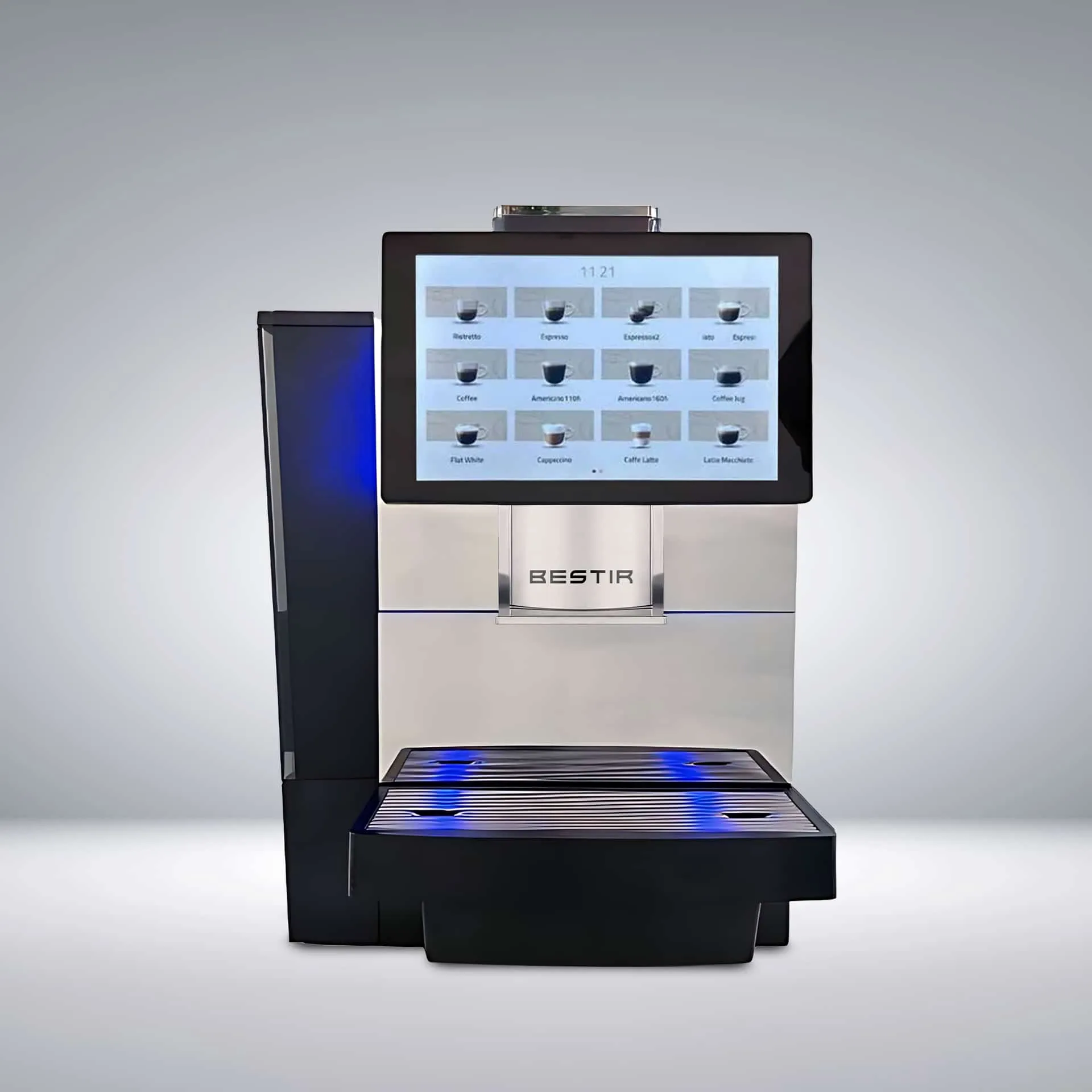
 BESTIR BM50
 BESTIR BM80
 BESTIR BMC300
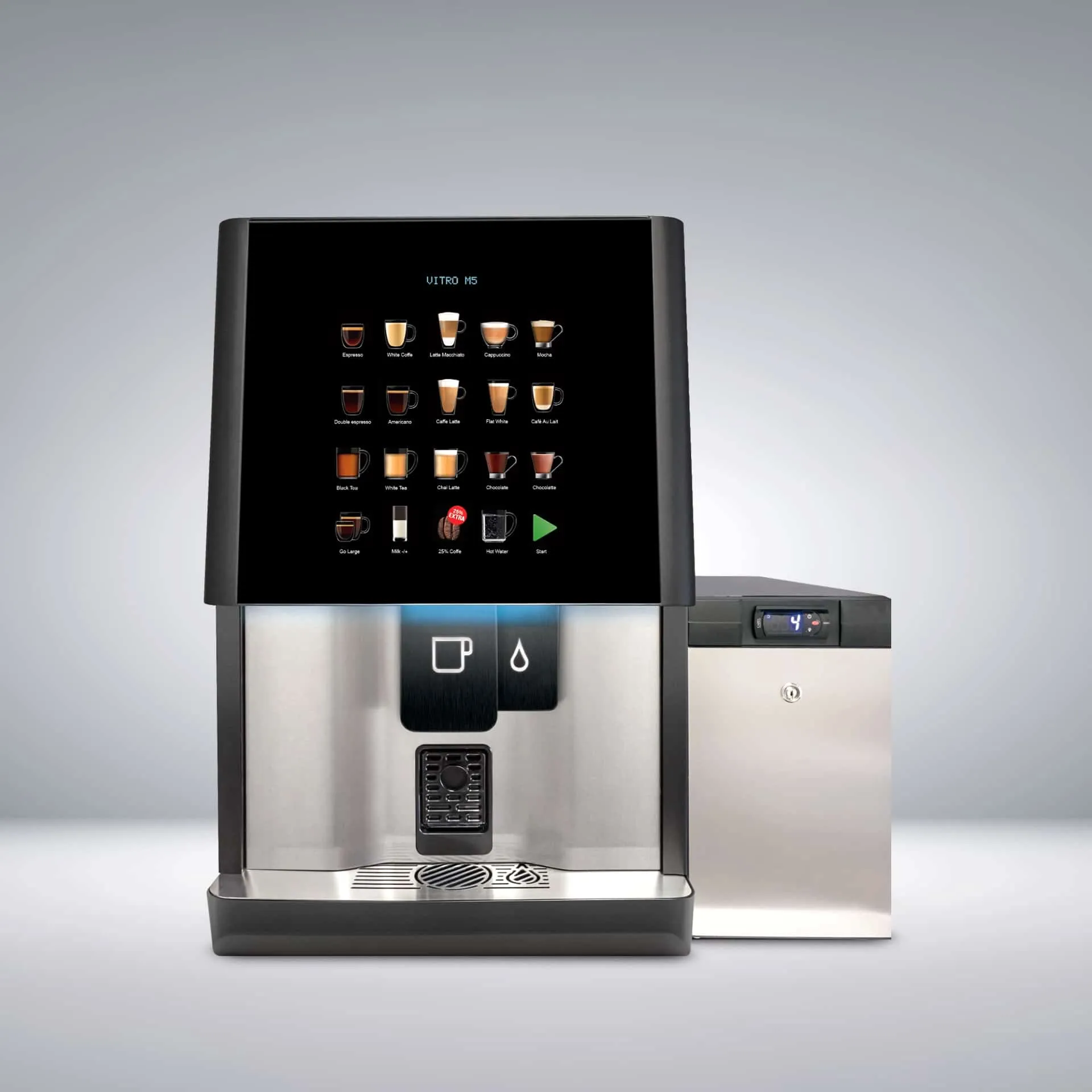
 Coffetek Vitro M5 MIA
 Coffetek Vitro S1
 Coffetek Vitro S1 MIA
 Coffetek Vitro X1 MIA
 Coffetek Vitro X3
 Primio Coffee Beans
 Espresso Coffee Beans
 Ultimo Coffee Beans
 Vero Coffee Beans
 Coffetek Vitro X4 ESP
 FRANKE A300 FM
 FRANKE A400
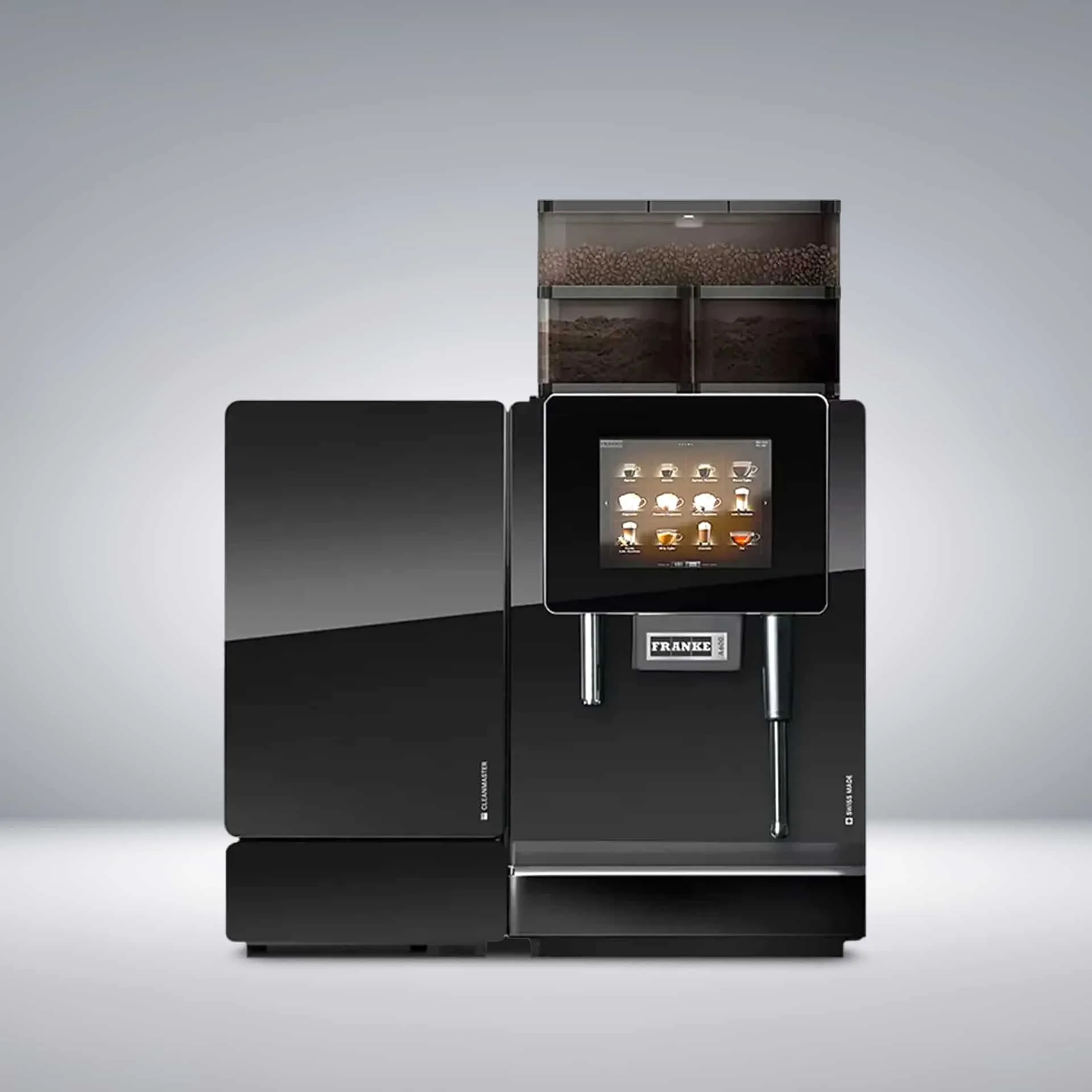
 FRANKE A600
 FRANKE A800
 Gaggia Milano LA BRILLANTE
 Gaggia Milano LA RADIOSA
 Gaggia Milano LA SOLARE
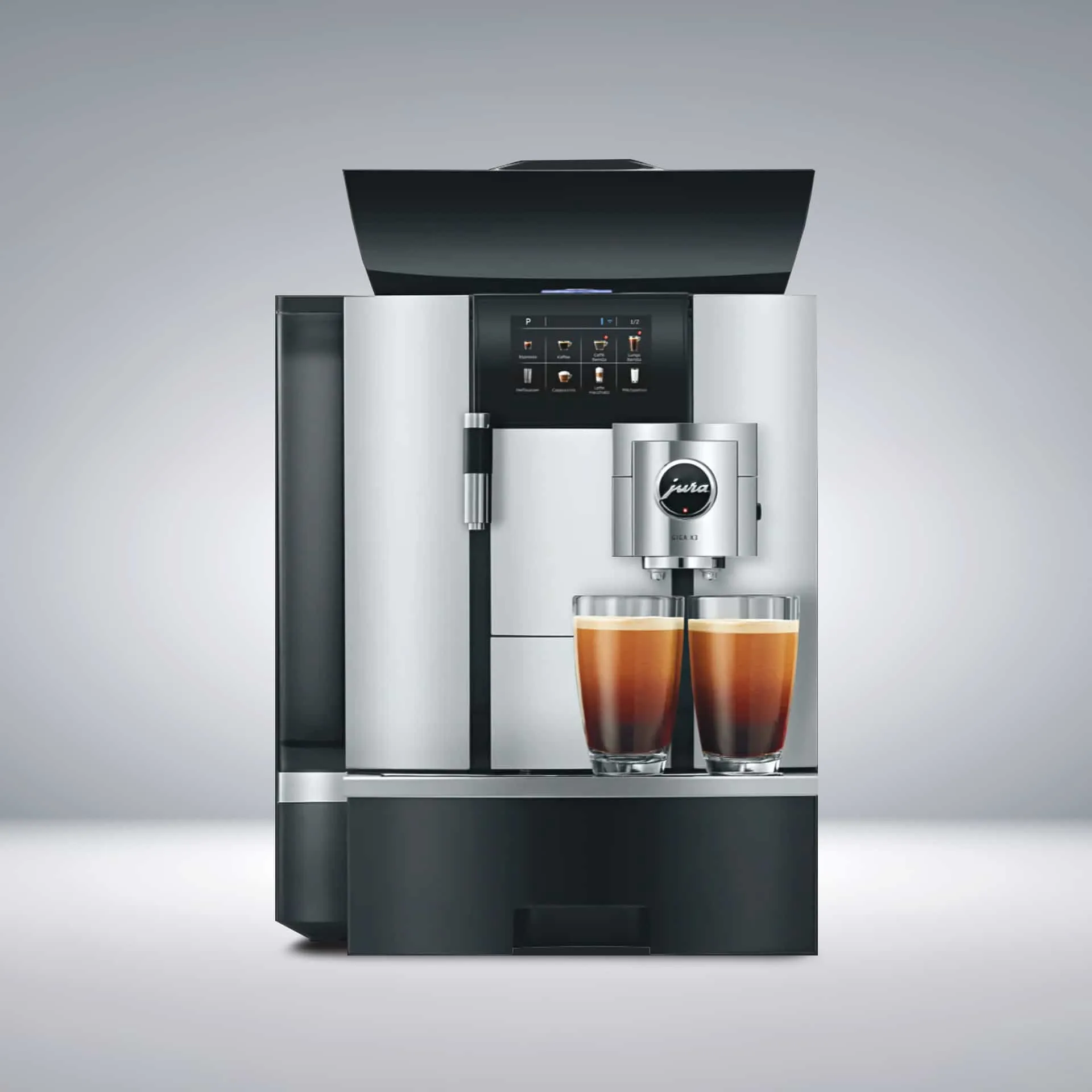
 Jura GIGA X3 GEN II
 Jura GIGA X8 - GEN II
 Jura W8 - GEN II
 Jura X10
 NECTA KALEA PLUS
 Rex-Royal S1
Coffee Machine Site Assessment for Workplaces
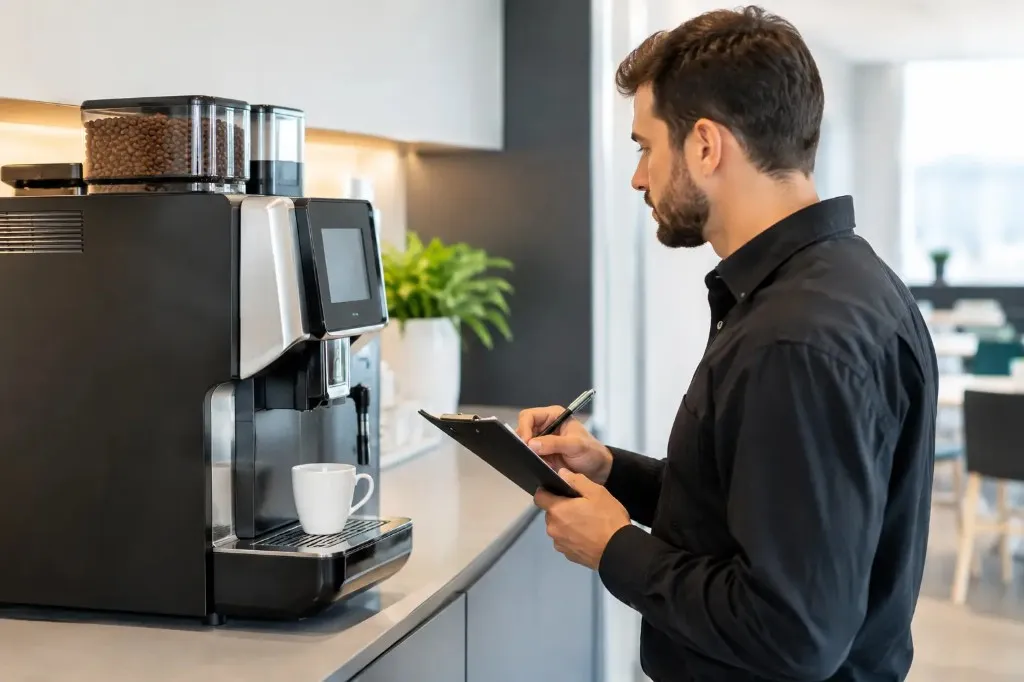
A coffee machine can look ideal on a specification sheet and still be the wrong fit once it reaches your workplace. A proper coffee machine site assessment turns a broad requirement such as “good coffee for the team” into a practical plan for capacity, location, utilities and ongoing care. That means fewer surprises on installation day and a better experience for every person using the machine.
For an office manager, facilities lead or hospitality operator, the assessment is not a sales obstacle. It is the point at which the right questions get asked before you commit to a rental, lease or purchase. No pressure, just expert advice based on how your business actually operates.
Why a site assessment matters before choosing a machine
Commercial coffee machines are designed for very different workloads. A compact bean-to-cup machine may suit a small office making 20 coffees a day, while a busy showroom, hotel breakfast area or customer-facing reception may need a higher-output machine with larger bean hoppers, fresh milk capability and a direct water connection.
Cup volume is only part of the picture. Demand often arrives in peaks. A team of 40 may drink 60 cups across a full day, but if 25 people want a flat white between 8.45 and 9.15am, the machine needs to recover quickly and produce drinks without creating a queue. That is particularly relevant in workplaces where the coffee point is part of the employee experience rather than an occasional perk.
A site assessment also protects the practical details that are easy to overlook. Is there enough counter space for the machine, milk fridge and supplies? Is a mains water connection available nearby? Can the machine be positioned close enough to a power supply without trailing cables across a shared kitchen? Will staff have room to refill beans, empty grounds and clean the milk system safely?
Getting these decisions right at the start helps avoid unnecessary downtime, costly changes to the layout and a machine that feels underpowered within a few months.
What a coffee machine site assessment checks
The best assessment considers the complete coffee service, not simply the footprint of the machine. It should establish what the site needs now while allowing for likely changes in headcount, customer traffic or opening hours.
Daily volume and peak demand
Your expected number of drinks per day gives a useful starting point, but drink type matters too. Black coffee is generally quicker to make than fresh milk cappuccinos, lattes and hot chocolates. If milk-based drinks are popular, the machine needs the right milk system and cleaning routine to keep quality consistent through busy periods.
It is worth looking at who will use the machine. An office kitchen serving colleagues has different requirements from a dealership reception where every coffee is part of the customer welcome. In a hotel or café setting, speed, menu choice and presentation can carry even more weight.
A useful assessment will ask about present use as well as planned growth. If you are moving to a larger premises, bringing more people back into the office or adding a client lounge, choosing solely for today’s demand may create a short-term solution.
Available space and access
The proposed location needs enough room for more than the unit itself. Bean-to-cup machines require clearance for opening lids, filling bean hoppers, topping up ingredients where applicable and carrying out routine cleaning. Fresh milk machines may require a dedicated milk fridge or under-counter solution, so the surrounding layout affects the final recommendation.
Access matters at every stage. Delivery teams need a clear route from entrance to installation point, particularly in buildings with narrow corridors, security procedures, stairs or restricted lift access. Once installed, the machine should remain easy to reach for coffee deliveries, servicing and everyday use.
The coffee point should also suit the flow of the room. Placing a high-use machine beside a meeting room door or in a narrow walkway can create congestion. A slightly different position may make the space calmer, safer and easier to keep clean.
Water, drainage and power
A machine can be manually filled, connected to mains water, or paired with a filtration solution depending on the site and the chosen model. Mains-fed machines are often the most convenient choice for higher-volume workplaces because staff do not need to monitor and refill a water tank throughout the day. They also support a more consistent operation during busy periods.
However, a plumbed-in option depends on access to a suitable water supply and the feasibility of installation. Water quality also deserves attention. Filtration can help protect the machine from limescale and support better-tasting coffee, particularly in hard-water areas.
Power requirements should be confirmed before installation, not improvised afterwards. Commercial machines may need a dedicated socket, and the surrounding area must be suitable for safe operation. Drainage can be relevant for certain configurations too. These details sound technical, but they are exactly why an on-site review is useful.
Coffee, milk and menu expectations
The quality of the drink depends on the full setup: machine, beans, milk arrangement, recipe settings and cleaning routine. A premium bean-to-cup machine can deliver excellent espresso-based drinks, but the chosen coffee should match your audience. A bold blend may work well in a busy trade counter, while a smoother profile may be preferred in a professional office or client suite.
Fresh milk generally offers the closest café-style result, especially for latte and cappuccino drinkers. It also introduces a little more daily responsibility around refrigeration and cleaning. Powder milk systems can be a practical alternative where simplicity, speed or lower maintenance is the priority. Neither option is automatically better. The right choice depends on the standard of drink you want to provide and the level of attention the site can give it.
Cleaning, maintenance and responsibility
Every commercial coffee machine needs routine care. A good assessment identifies who will carry out daily tasks, when they will happen and how the machine will be kept ready for the next user. This is especially important with fresh milk systems, where proper cleaning is central to both drink quality and hygiene.
The team should be comfortable with straightforward actions such as emptying the grounds container, wiping down surfaces, replenishing beans and following the machine’s prompted cleaning cycle. For wider peace of mind, an optional maintenance plan can cover professional servicing and support when faults occur.
Reliability is not just about choosing a well-built machine. It is about creating a setup that your team can realistically manage. A simpler model with the right support can outperform a more feature-rich machine that nobody has time to look after properly.
Questions to have ready for the assessment
You do not need technical knowledge to make the visit productive. Knowing your approximate headcount, opening hours, likely cups per day and preferred drinks will give the assessor a strong starting point. It also helps to share whether visitors use the machine, whether a water point is nearby, and whether your business expects to grow or relocate in the near future.
Budget should be part of the conversation from the beginning. Buying can suit businesses that want to own their equipment outright. Rental or leasing may be more suitable when preserving capital, spreading costs or retaining the option to change machine as needs develop. The best arrangement is the one that makes commercial sense alongside the service level you require.
At Full House Coffee, the aim is to recommend equipment around the realities of your workplace, rather than steer every business towards the same machine. That could mean a compact, simple bean-to-cup option for a small team or a high-capacity fresh milk machine built for continuous customer demand.
Plan for change, not just installation day
A coffee setup should be able to move with the business. Headcount can rise, workplace attendance patterns can shift, and a once-quiet reception can become a busy customer hub. Reviewing capacity early gives you a clearer route to upgrade or adjust the arrangement without starting again from scratch.
Equally, there is little value in paying for capacity you will never use. A site assessment helps find the sensible middle ground: enough performance to handle demand confidently, without oversized equipment, unnecessary features or a complicated maintenance routine.
The right workplace coffee machine should feel like part of the working day, not another facility problem to manage. Start with an honest look at the site, the people using it and the standard of coffee you want to serve. The right recommendation tends to follow naturally.