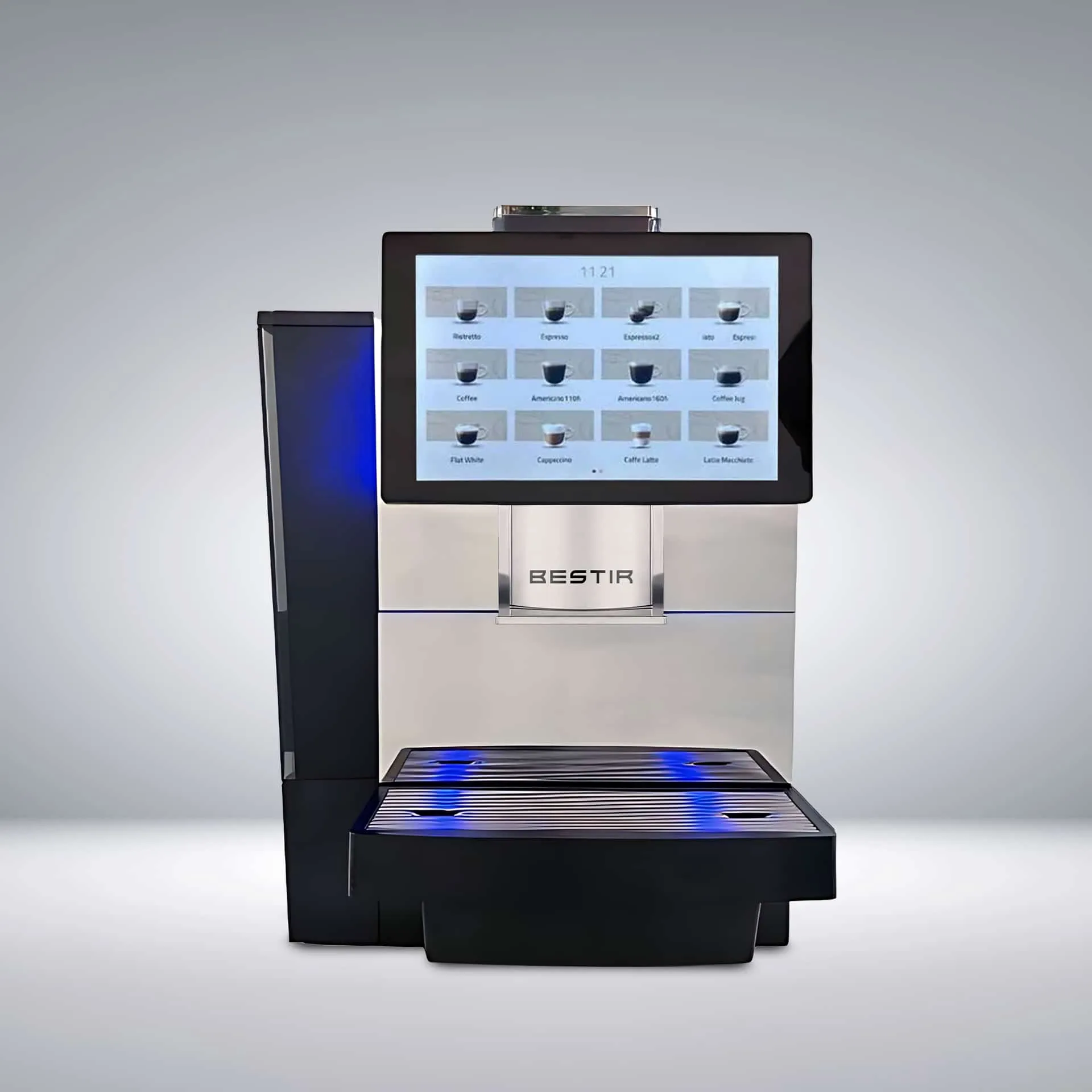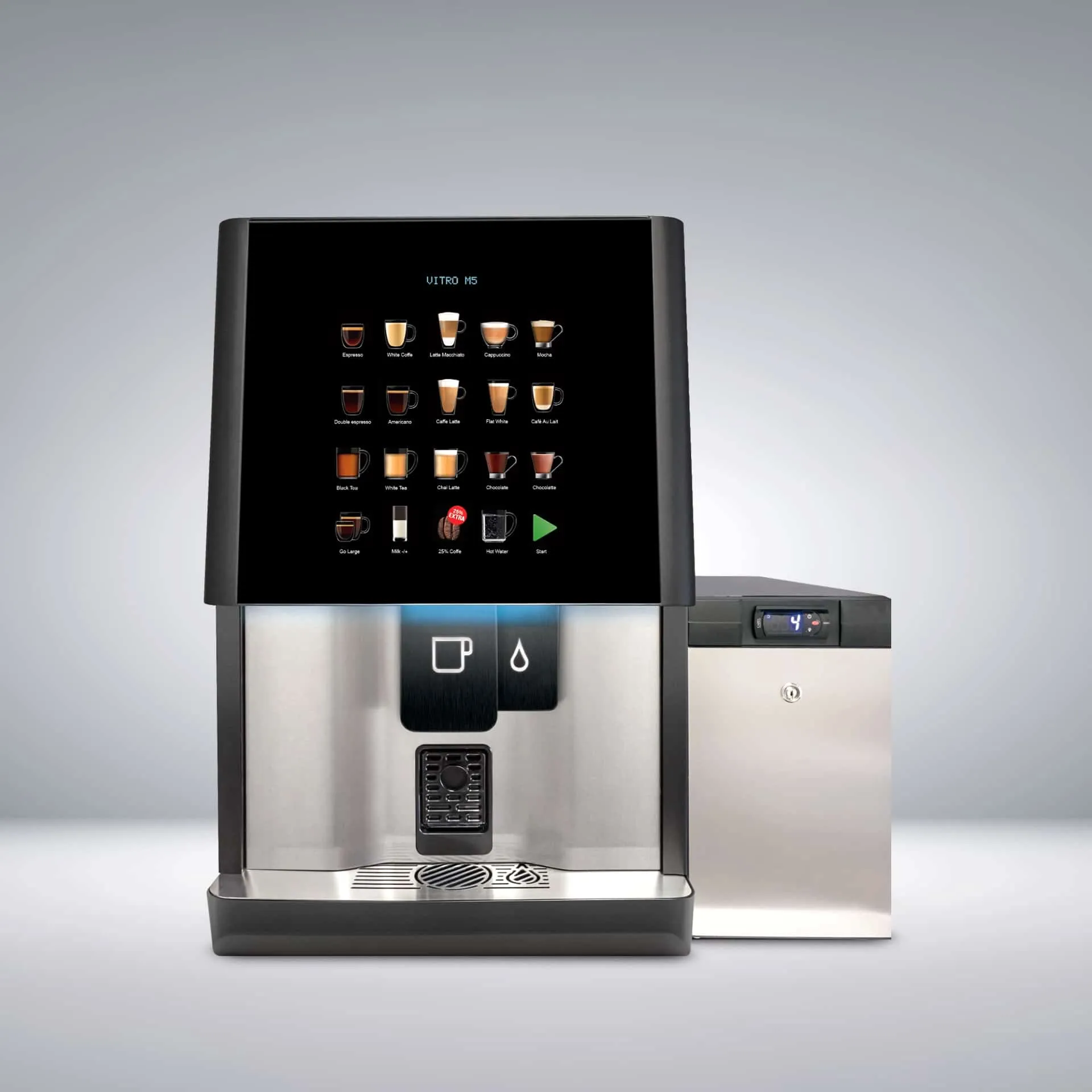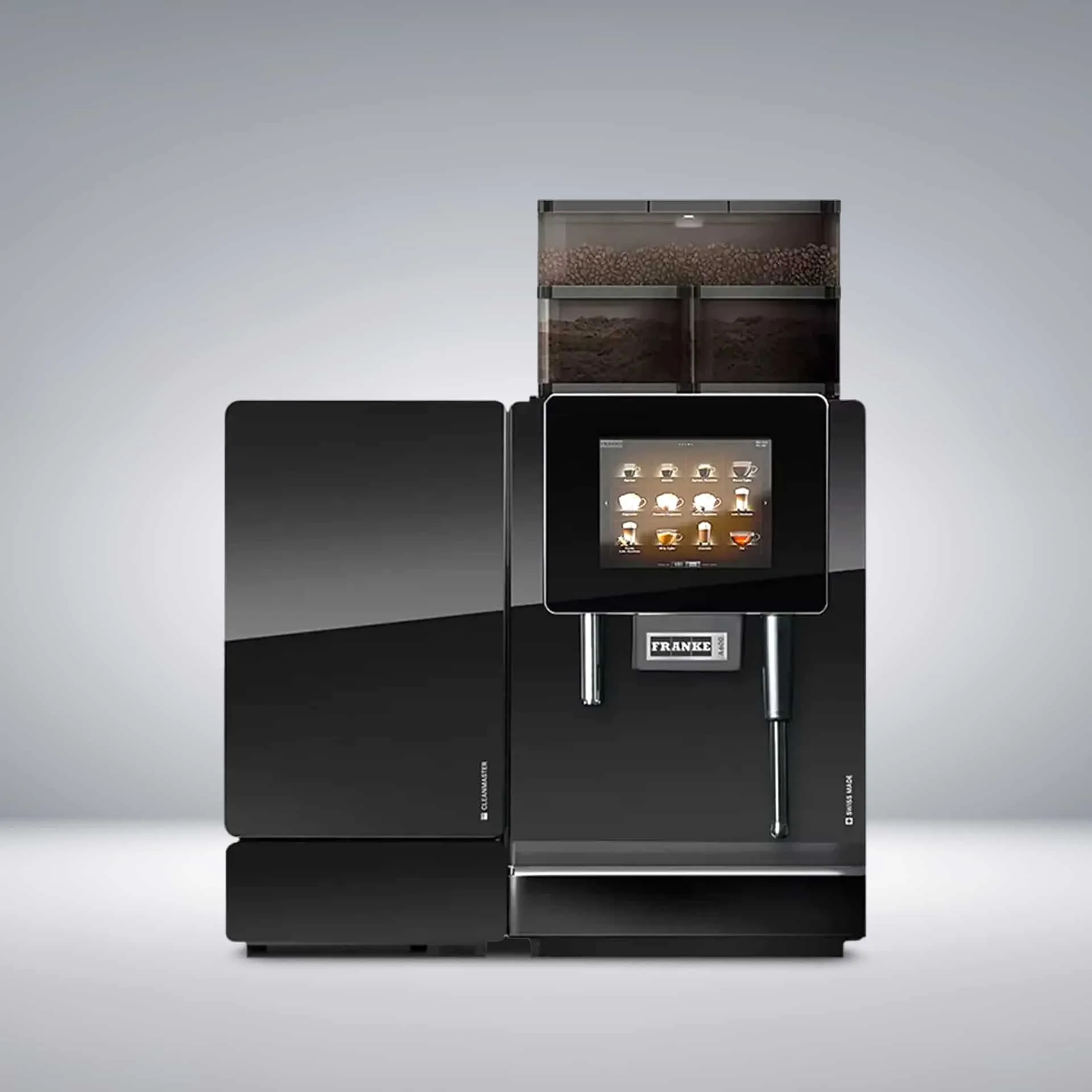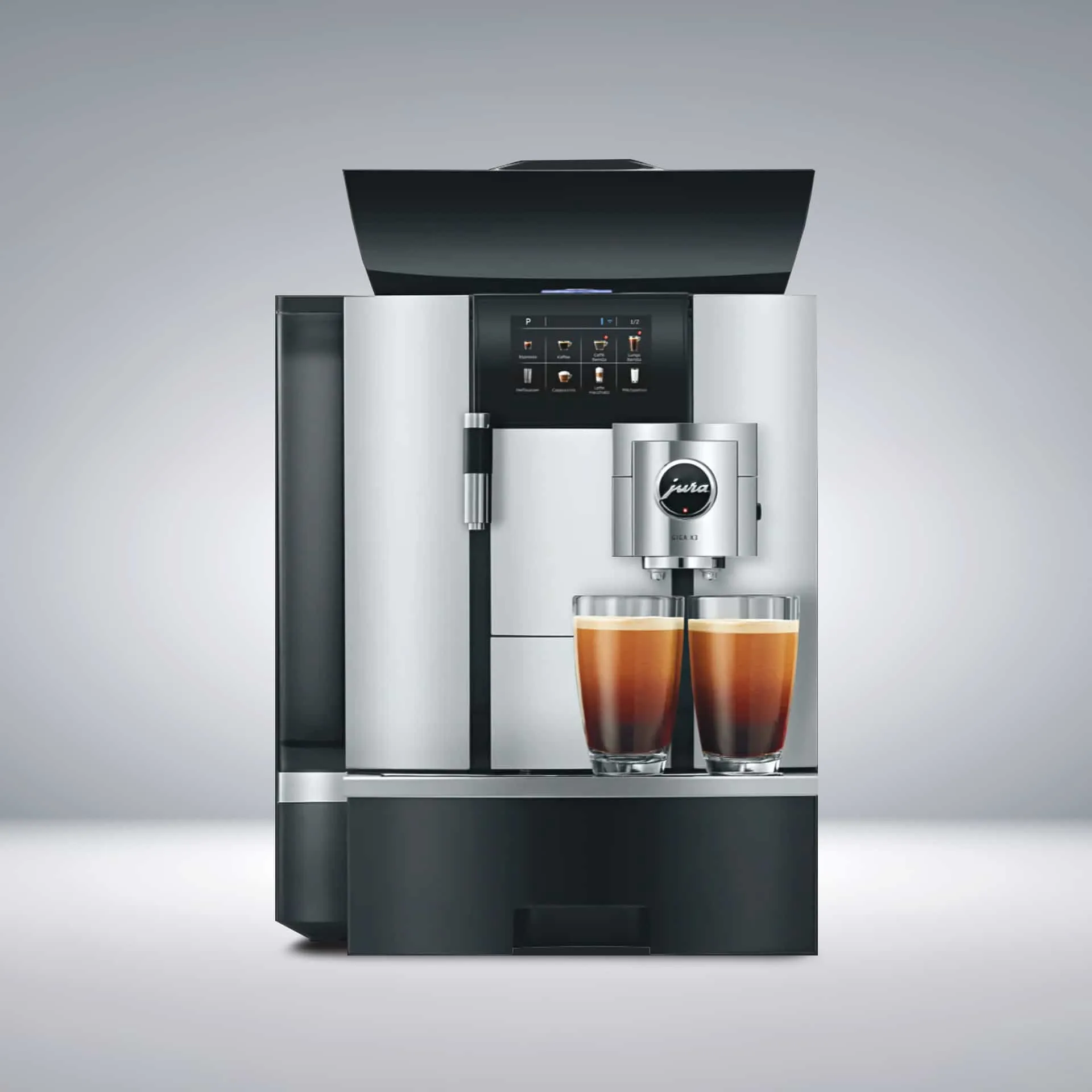
 BESTIR BM50
 BESTIR BM80
 BESTIR BMC300
 Coffetek Vitro M5 MIA
 Coffetek Vitro S1
 Coffetek Vitro S1 MIA
 Coffetek Vitro X1 MIA
 Coffetek Vitro X3
 Primio Coffee Beans
 Espresso Coffee Beans
 Ultimo Coffee Beans
 Vero Coffee Beans
 Coffetek Vitro X4 ESP
 FRANKE A300 FM
 FRANKE A400
 FRANKE A600
 FRANKE A800
 Gaggia Milano LA BRILLANTE
 Gaggia Milano LA RADIOSA
 Gaggia Milano LA SOLARE
 Jura GIGA X3 GEN II
 Jura GIGA X8 - GEN II
 Jura W8 - GEN II
 Jura X10
 NECTA KALEA PLUS
 Rex-Royal S1
Do Coffee Machines Need Filters at Work?
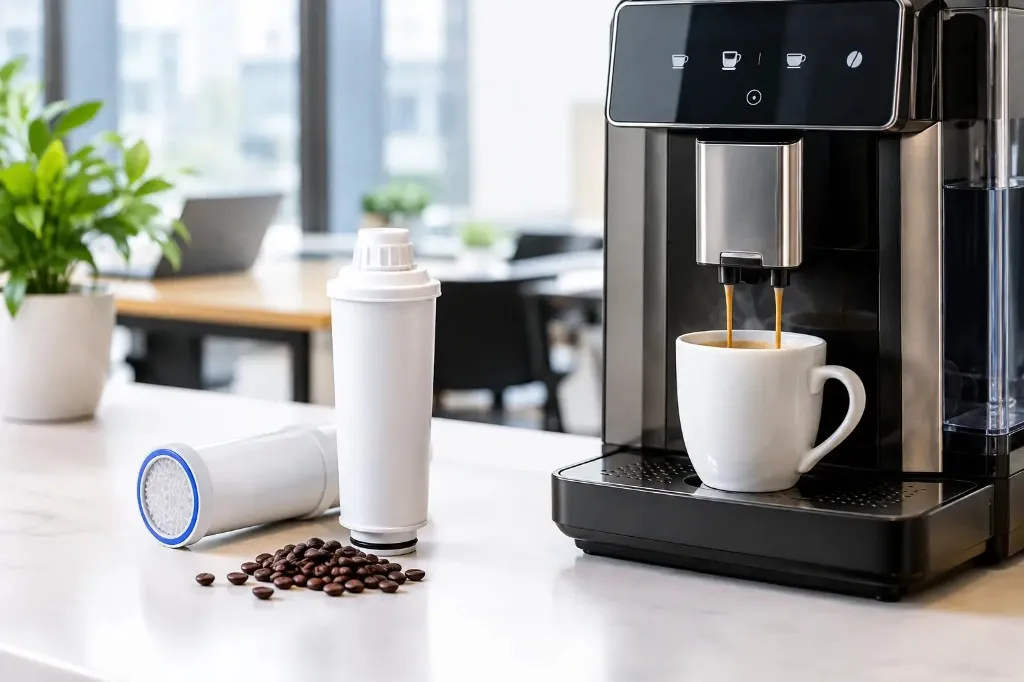
A commercial coffee machine can look after a busy office for years - or become an expensive source of call-outs - depending on one unglamorous detail: water. So, do coffee machines need filters? Often, yes, but not always in the way people mean. The right answer depends on the machine type, its water supply and the quality of water at your premises.
For workplace buyers, the key distinction is between a filter that makes the coffee and a water filter that protects the machine. Bean-to-cup machines generally do not use paper coffee filters. They may, however, need water filtration to maintain drink quality, reduce limescale and support reliable day-to-day operation.
Do coffee machines need filters for every setup?
Not every coffee machine requires the same filter arrangement. A traditional filter coffee brewer uses paper filters to hold ground coffee while it brews. Most commercial bean-to-cup, espresso and fresh milk machines use a brew unit or portafilter basket instead, so there is no disposable paper filter to replace after each batch.
Water filters are a separate matter. These are fitted either inside the machine, in a water tank, or on the incoming water line for a plumbed-in machine. Their job is to treat the water before it reaches the boiler, heating system and coffee-making components.
Whether a water filter is necessary comes down to your local water hardness, the manufacturer’s guidance and how your machine is installed. In many parts of the UK, particularly hard-water areas, filtration is strongly advisable for commercial equipment. In some cases, it is a condition of the machine warranty or maintenance agreement.
A machine supplied with a refillable tank may have an optional internal filter cartridge. A machine connected directly to the mains will usually benefit from a properly specified external filter system. Neither should be treated as a fit-and-forget extra.
Why water filtration matters in commercial coffee machines
Water is the largest ingredient in every Americano, espresso and flat white. It affects flavour, but it also passes through valves, boilers, pipes and heating elements hundreds of times a week. For an office serving 40 cups a day, that is a serious amount of water moving through the machine.
Hard water contains dissolved minerals, mainly calcium and magnesium. When heated, those minerals can form limescale. A light build-up may reduce heating efficiency. Left unchecked, scale can restrict water flow, affect temperature control and contribute to component failures.
That is why a machine can still make coffee while quietly becoming less efficient. Drinks may take longer, taste inconsistent or arrive at the wrong temperature. Eventually, staff may report leaks, error messages or reduced pressure. None of these are ideal when the queue forms at 8:45 on a Monday morning.
A suitable water filter can help by reducing scale-forming minerals and, depending on the cartridge type, improving the taste and odour of the water. It is not simply about preventing breakdowns. Consistent water supports consistent extraction, which matters when you have invested in quality beans and a premium bean-to-cup machine.
A filter is not the same as descaling
Filtration reduces the scale entering the machine. Descaling removes scale that has already formed. These are related but different jobs.
Even with a filter, a commercial coffee machine still needs regular cleaning and servicing according to its specification. Milk systems need their own daily cleaning routine, while brew units, drip trays and waste containers need attention too. A filter lowers one source of risk; it does not replace a proper maintenance plan.
Conversely, relying on descaling alone can be disruptive. It may take the machine out of use, and frequent chemical descaling is not a substitute for treating unsuitable incoming water. For a busy workplace, prevention is usually the more practical route.
Which commercial machines use which filters?
The machine category gives a useful starting point, although the final specification should always be based on the water at the site.
Bean-to-cup coffee machines
Bean-to-cup machines grind whole beans and brew each drink automatically. They do not normally use paper coffee filters, but they often need water filtration. This is particularly relevant for fresh milk machines with boilers, steam functions or high daily cup volumes.
Tank-fed models may use a filter cartridge fitted in the water tank. This can be convenient for smaller offices or sites where plumbing is not possible. The trade-off is capacity: cartridges must be changed on time, and the tank still needs regular refilling and cleaning.
Plumbed-in bean-to-cup machines are better suited to many higher-volume workplaces because they remove the need to refill water manually. They usually use an external filter head and cartridge on the mains connection. The cartridge is selected according to water hardness, expected consumption and the machine’s technical requirements.
Traditional espresso machines
A commercial espresso machine almost always benefits from an appropriate mains water filter. These machines work under pressure and use hot water constantly, so scale can quickly affect boilers, solenoid valves and group heads.
A good filtration setup supports better machine protection, but it needs to be matched carefully. Over-softened or poorly balanced water is not automatically better for coffee. Water chemistry influences extraction and flavour, so the aim is controlled, suitable water rather than stripping everything out of it.
Filter coffee brewers
With batch brewers, there are two possible filters to consider. The coffee itself is commonly brewed through disposable paper filter papers, which shape the brew and keep grounds out of the finished pot. If the brewer is connected to the mains, it may also need a water filter to manage scale and improve the water quality.
For a small meeting room brewer with a manual-fill tank, water filtration may be handled before the water reaches the machine, such as through the building’s drinking-water provision. The important point is still to assess the local water rather than make assumptions.
How often should a coffee machine filter be changed?
There is no single calendar rule. Filter life depends on the cartridge capacity, local water hardness and the number of litres used. A cartridge at a soft-water, low-volume site may last much longer than the same cartridge in a hard-water office serving 100 drinks a day.
Manufacturers may provide a litre rating or prompt the machine to request a change. Those prompts are useful, but only when the correct water settings have been programmed during installation. If the hardness setting is wrong, the machine cannot accurately estimate cartridge life.
For a plumbed-in commercial machine, filter replacement should form part of a planned service schedule. Waiting until water flow is affected or an error appears is a false economy. By that stage, the filter may be exhausted and the machine may already have been exposed to untreated water.
Keep a simple record of filter changes, especially across multiple sites. It helps facilities teams maintain consistency and gives engineers useful information if a fault occurs.
Choosing the right filtration option for your workplace
The right filter starts with a few practical questions: Is the machine tank-fed or mains-fed? How many cups will it make each day? Is the water hard at your postcode? Does the machine manufacturer specify a particular filtration standard? And will someone on site reliably replace cartridges, or is scheduled support the better option?
It is also worth considering your future demand. A compact tank-fed machine may suit a team of 15 today, but a growing office can outpace it quickly. Moving to a plumbed-in machine with correctly sized filtration can reduce daily intervention and make the coffee point easier to manage.
This is where a site assessment is useful. It considers the available space, water access, expected volume and the kind of drinks your people or guests expect. There is little value in choosing a premium machine if the supporting water setup is overlooked.
Full House Coffee can help businesses match their machine, bean supply and maintenance requirements to the realities of the site - no pressure, just expert advice.
The practical answer for business buyers
If your commercial coffee machine heats water, particularly in a hard-water area, water filtration should be part of the buying conversation from the outset. If you run a filter coffee brewer, you may also need paper filters for the brewing process. Bean-to-cup machines generally need no paper filters, but they often need suitable water treatment to protect performance.
The best arrangement is not necessarily the most complicated one. It is the one that suits your water supply, cup volume and machine, then gets maintained on schedule. Get that foundation right and your coffee point has a much better chance of doing what it should: helping people get on with their day, one reliably good cup at a time.