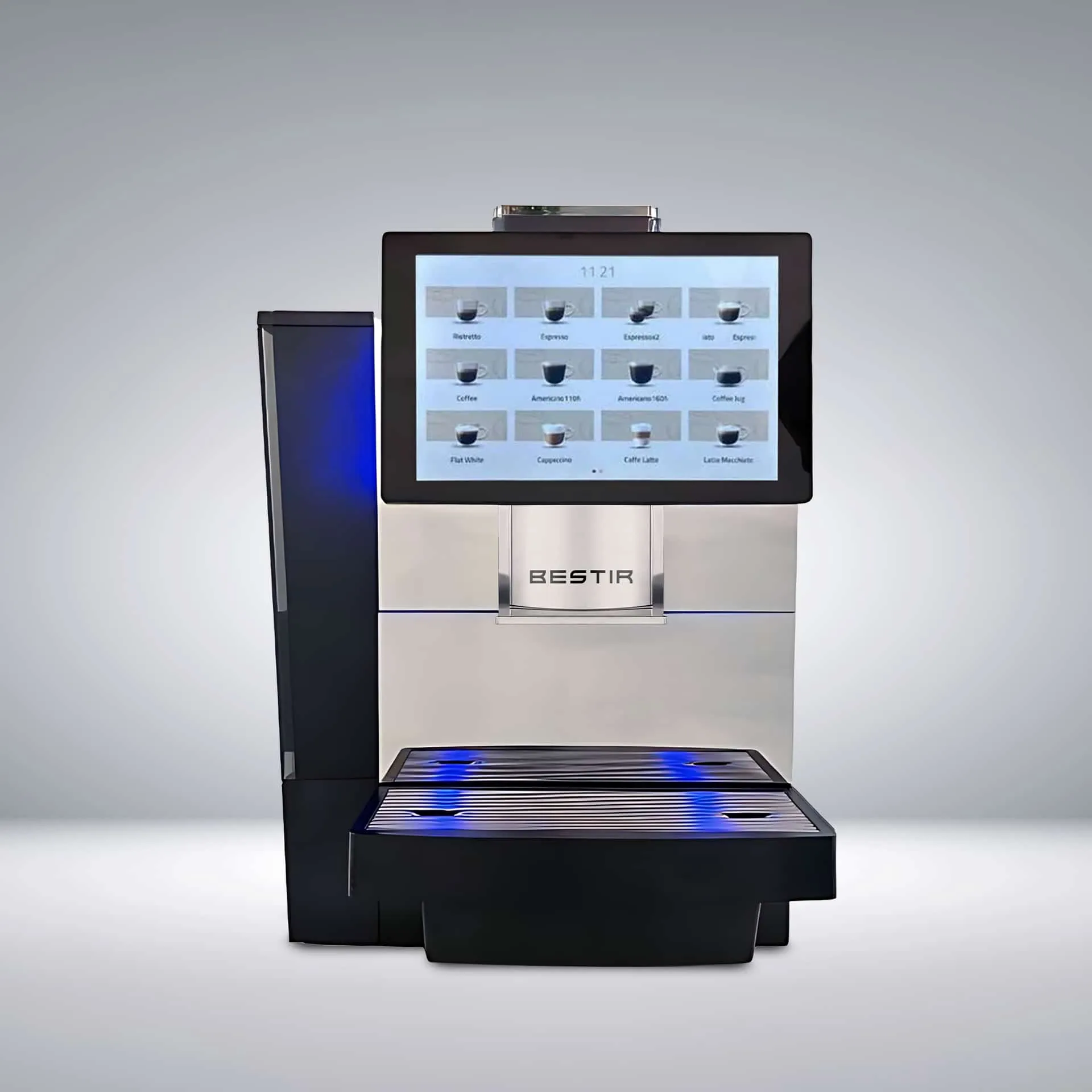
 BESTIR BM50
 BESTIR BM80
 BESTIR BMC300
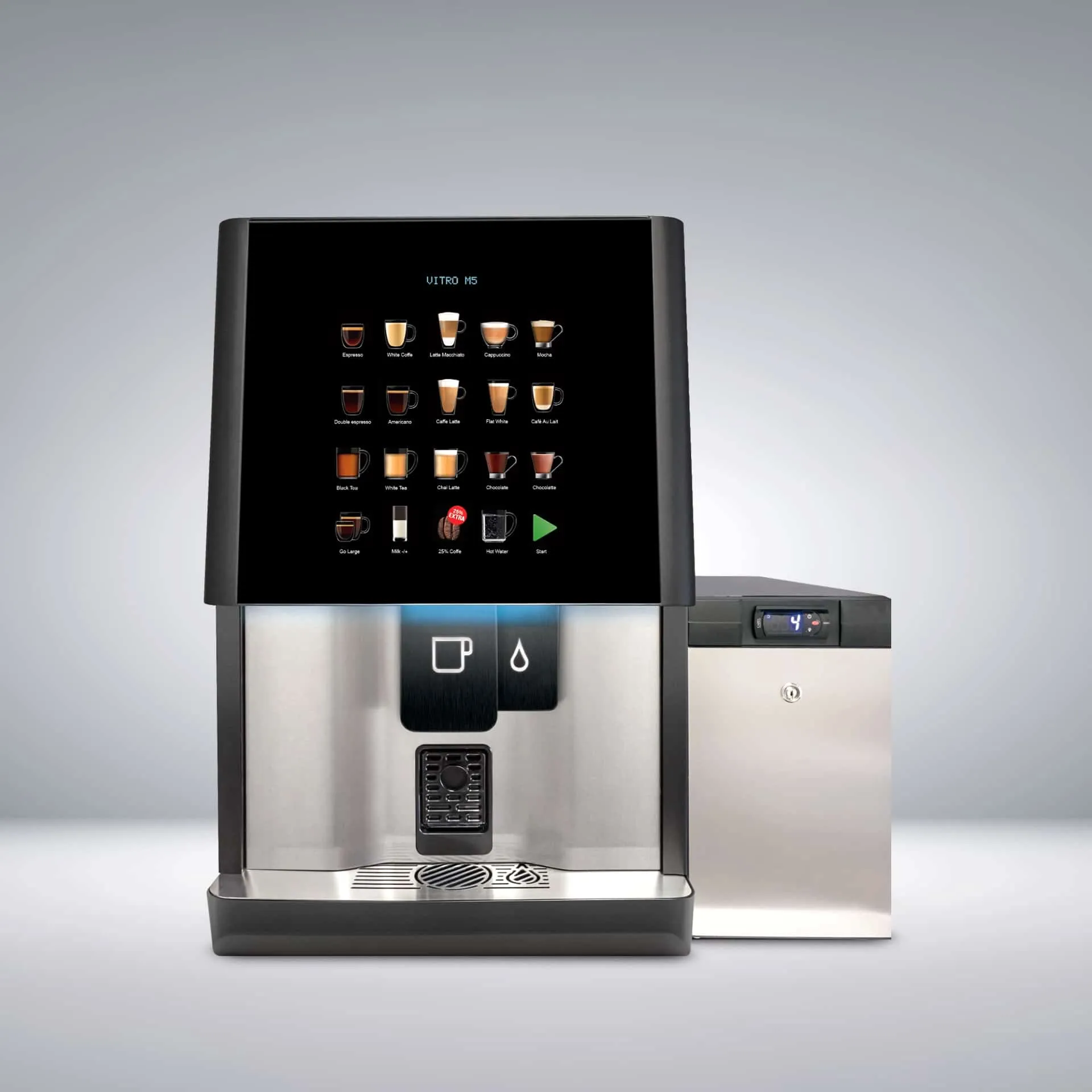
 Coffetek Vitro M5 MIA
 Coffetek Vitro S1
 Coffetek Vitro S1 MIA
 Coffetek Vitro X1 MIA
 Coffetek Vitro X3
 Primio Coffee Beans
 Espresso Coffee Beans
 Ultimo Coffee Beans
 Vero Coffee Beans
 Coffetek Vitro X4 ESP
 FRANKE A300 FM
 FRANKE A400
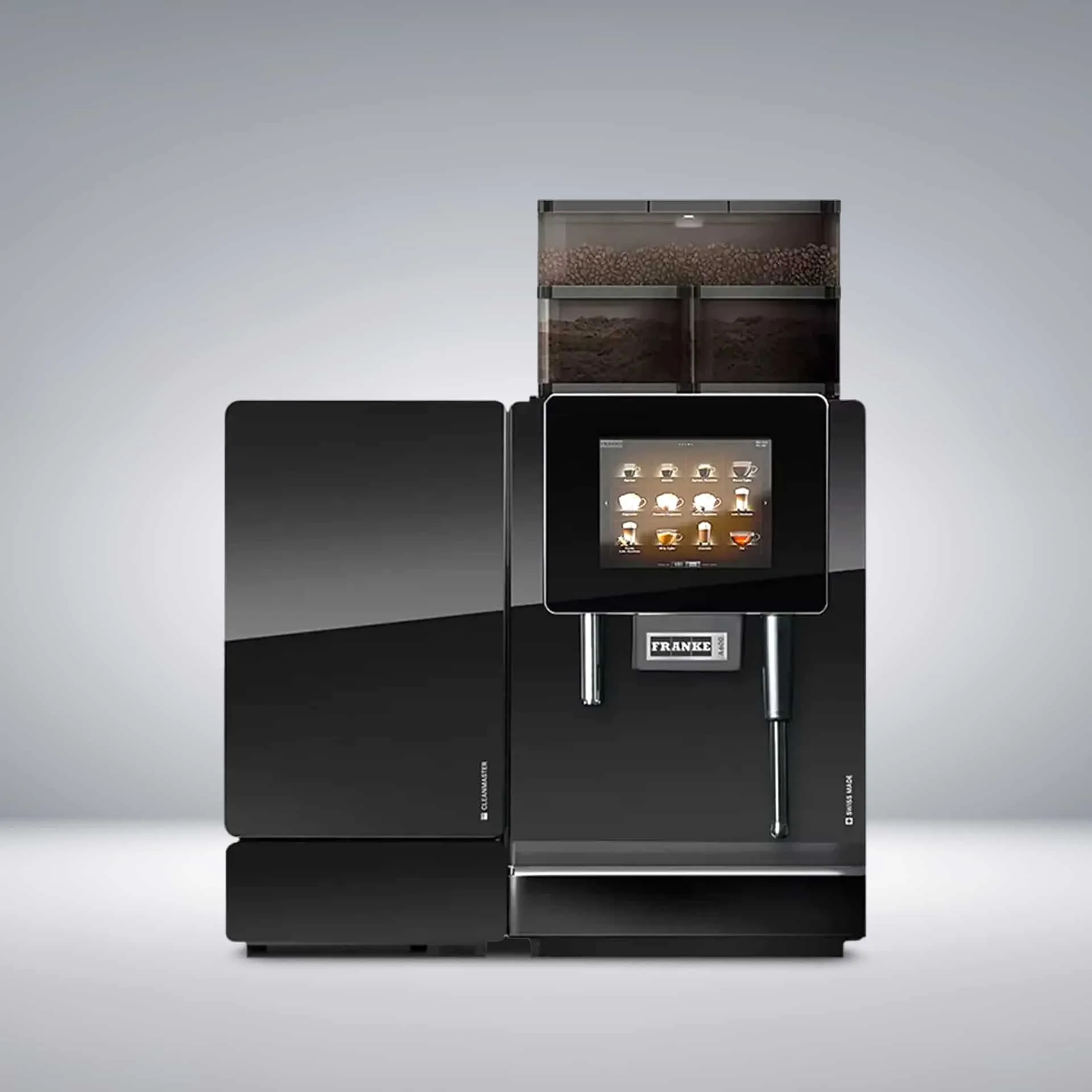
 FRANKE A600
 FRANKE A800
 Gaggia Milano LA BRILLANTE
 Gaggia Milano LA RADIOSA
 Gaggia Milano LA SOLARE
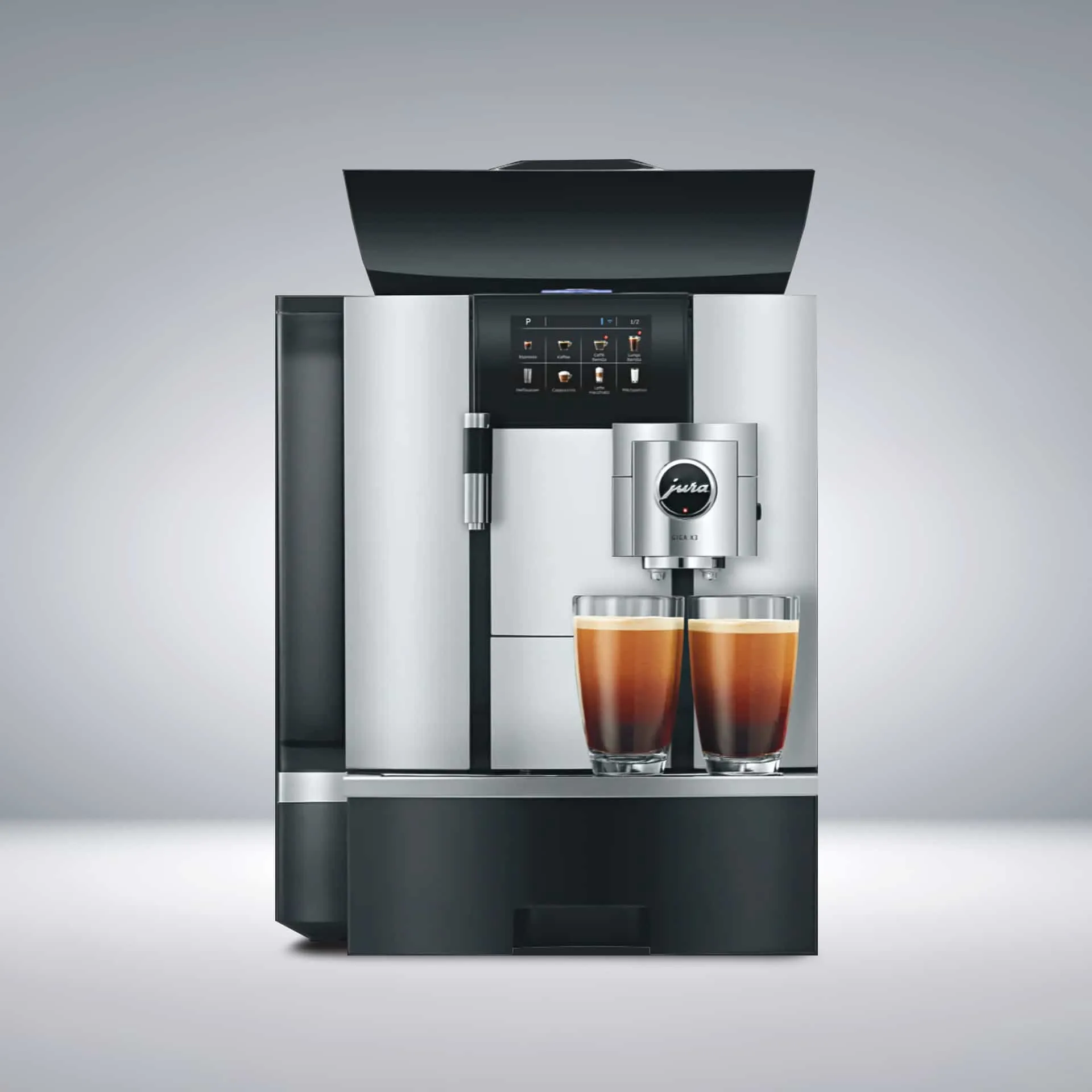
 Jura GIGA X3 GEN II
 Jura GIGA X8 - GEN II
 Jura W8 - GEN II
 Jura X10
 NECTA KALEA PLUS
 Rex-Royal S1
When to Replace Machines in Your Workplace
A coffee machine rarely fails at a convenient time. It slows down during the morning rush, produces inconsistent milk foam just before a client meeting, or stops altogether when the engineer cannot attend until tomorrow. Knowing when to replace machines rather than repeatedly patching them up protects more than your coffee service. It protects staff time, customer impressions and your operating budget.
For UK workplaces, hotels, showrooms and hospitality venues, replacement is not always about buying the newest model. The right decision depends on machine condition, daily demand, repair history and whether the current setup still suits the way your business works.
When to replace machines: the commercial test
A commercial coffee machine should earn its place every day. If it delivers reliable drinks at the right speed, is correctly sized for demand and can be maintained economically, keeping it may make perfect sense. If it creates delays, mounting call-out costs or a poor coffee experience, replacement deserves serious consideration.
The key is to look beyond one fault. A single worn valve or damaged grinder component can often be repaired cost-effectively. Repeated issues across several parts, however, may indicate that the machine has reached the stage where further investment offers little value.
A useful question for any facilities or operations manager is simple: if this machine were not already on site, would we choose it again for our current needs? If the answer is no, it is time to review the options.
Signs your coffee machine is costing more than it serves
Repairs are becoming regular, not exceptional
Commercial equipment needs routine care, especially where water quality, high drink volumes and fresh milk are involved. But frequent breakdowns are different from scheduled maintenance. If call-outs are becoming a familiar line on the monthly spend, or repairs keep resolving one issue only for another to appear, the cost of ownership is likely rising.
Consider the full cost, not just the engineer’s invoice. Downtime means team members spend time making alternative arrangements, reception staff field complaints, and guests may be offered a lower-quality drink. In a customer-facing setting, that can be more expensive than the repair itself.
There is no fixed repair threshold that applies to every machine. A premium model with a known service history may justify a significant repair, while an older, lower-capacity machine with several recurring faults may not. Comparing expected repair costs over the next 12 months with a rental, lease or replacement plan gives a clearer commercial picture.
Drink quality has become inconsistent
Coffee quality is part machine performance, part ingredient quality and part cleaning discipline. Before replacing equipment, check the basics: grinder settings, water filtration, bean freshness, milk system cleaning and staff training.
If those are under control but drinks still vary from cup to cup, the machine may be struggling. Weak espresso, poor temperature stability, erratic dosing and unreliable milk texture all affect the experience. This matters in an office, where a good coffee break supports morale, and even more in a hotel, café or showroom, where every cup represents the business.
A new bean-to-cup machine can also offer more precise recipe control. That makes it easier to serve a dependable espresso, americano, flat white or cappuccino without relying on one person knowing exactly how to adjust the settings.
The machine cannot keep up with demand
Many businesses outgrow their coffee machine quietly. A company takes on more staff, opens a larger customer area or starts offering barista-style drinks to visitors. The existing machine still works, but queues get longer, refill cycles become constant and peak periods put pressure on the system.
Daily cup volume is one of the most useful measures when reviewing a machine. A unit designed for a small office may be perfectly capable at 30 cups per day but unsuitable for a busy workplace producing 100 or more. Pushing a machine beyond its intended workload can lead to slower service, more wear and a shorter working life.
Capacity is not only about cups. Look at bean hopper size, grounds bin capacity, milk provision and whether the machine has a plumbed water connection. A manually filled tank may be fine for a meeting room. In a busy reception or hotel breakfast area, it can become an unnecessary daily task.
Your workplace has changed
Coffee requirements change with the business. Hybrid working may mean fewer people in the office each day but concentrated attendance on certain days. A growing showroom may need a more polished guest offering. A hospitality venue may need fresh milk drinks at a higher volume than before.
This is where replacement becomes a strategic decision rather than a reaction to a fault. The best machine for your business three years ago may no longer be the best fit now. It may be too small, too complicated, too limited in its drink menu or simply take up more counter space than you can spare.
A site assessment can prevent the common mistake of replacing like for like. It should consider available space, electrical supply, water access, drainage where relevant, expected volume and who will actually use the machine. The answer may be a larger fresh milk machine, a compact bean-to-cup model, or a more flexible arrangement that can change as demand does.
Age matters, but condition matters more
There is no universal age at which commercial coffee machines must be replaced. Usage, cleaning routines, water treatment and servicing all make a substantial difference. A well-maintained machine in a modest-volume office may remain dependable for years, while a poorly maintained high-volume machine can wear quickly.
Instead of replacing purely because a machine is old, review its condition and supportability. Are spare parts readily available? Can the machine still be serviced efficiently? Does it meet your current expectations for drink quality, energy use and hygiene? If parts are becoming difficult to source or repair times are extending, replacement becomes the safer operational choice.
Older machines can also lack features that reduce day-to-day workload. Automatic cleaning programmes, clearer user prompts, programmable menus and better monitoring can make a noticeable difference for teams with limited time to manage refreshments.
Replace, rent, lease or repair?
The right route depends on cash flow, certainty of demand and how much flexibility you need. Purchasing may suit an established business that knows exactly what capacity it needs and wants to own the asset. Repair may be sensible where the fault is isolated and the machine remains well matched to the site.
Rental or leasing can be particularly useful when requirements may change. It spreads costs, avoids a large upfront outlay and can make upgrading or downgrading easier as a team, venue or customer offer evolves. Maintenance support can also provide a clearer view of ongoing costs and reduce the pressure on internal facilities teams.
Before agreeing to any option, ask what is included. Check installation, commissioning, staff familiarisation, water filtration, planned maintenance, breakdown cover and replacement arrangements. The cheapest monthly figure is not always the best value if it leaves you managing the details when something goes wrong.
A practical replacement checklist
Before making a decision, gather a short period of real-world information. Note average cups per day, peak-time demand, the most popular drinks, recent repair costs and recurring faults. Ask staff and guests what they notice too. Complaints about weak coffee, slow service or awkward controls often reveal issues that maintenance records do not.
Then assess the practical environment. Measure counter space, confirm water and power options, and decide whether fresh milk, powdered milk or black coffee service best suits the location. Fresh milk can elevate the drink experience, but it requires appropriate cleaning and refrigeration arrangements. A well-specified powdered milk option may be more practical in an unattended area with lower oversight.
Finally, define what success looks like. It might be faster service at 9am, fewer facilities call-outs, better-quality visitor coffee or a machine that staff can use confidently without training. That keeps the conversation focused on business outcomes rather than features for their own sake.
A coffee machine should make the working day better, not create another job to manage. If yours is no longer delivering the reliability, capacity or quality your people expect, a tailored replacement review can turn a recurring headache into consistently good coffee - and get everyone back to work.