 BESTIR BM50
 BESTIR BM80
 BESTIR BMC300
 Coffetek Vitro M5 MIA
 Coffetek Vitro S1
 Coffetek Vitro S1 MIA
 Coffetek Vitro X1 MIA
 Coffetek Vitro X3
 Primio Coffee Beans
 Espresso Coffee Beans
 Ultimo Coffee Beans
 Vero Coffee Beans
 Coffetek Vitro X4 ESP
 FRANKE A300 FM
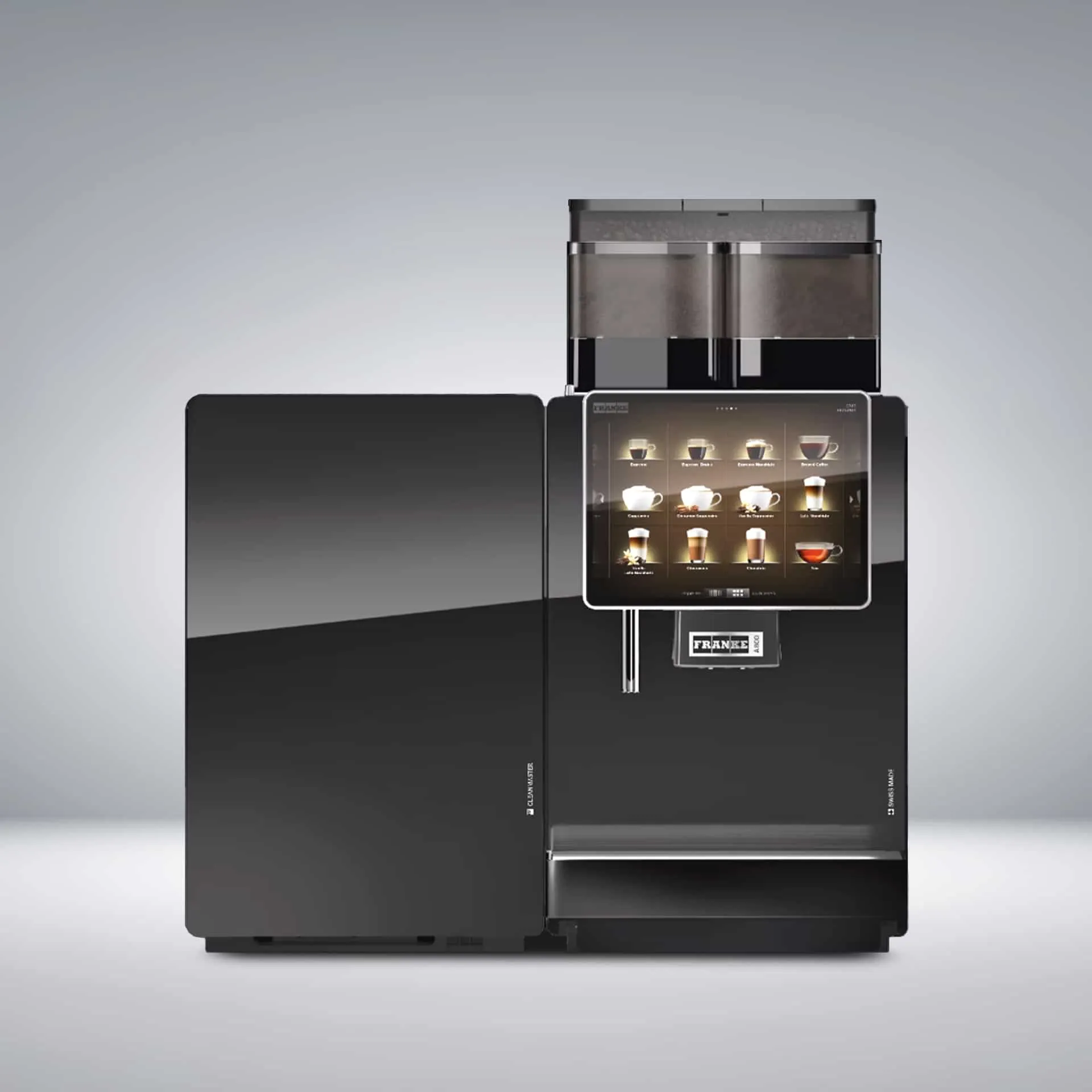
 FRANKE A400
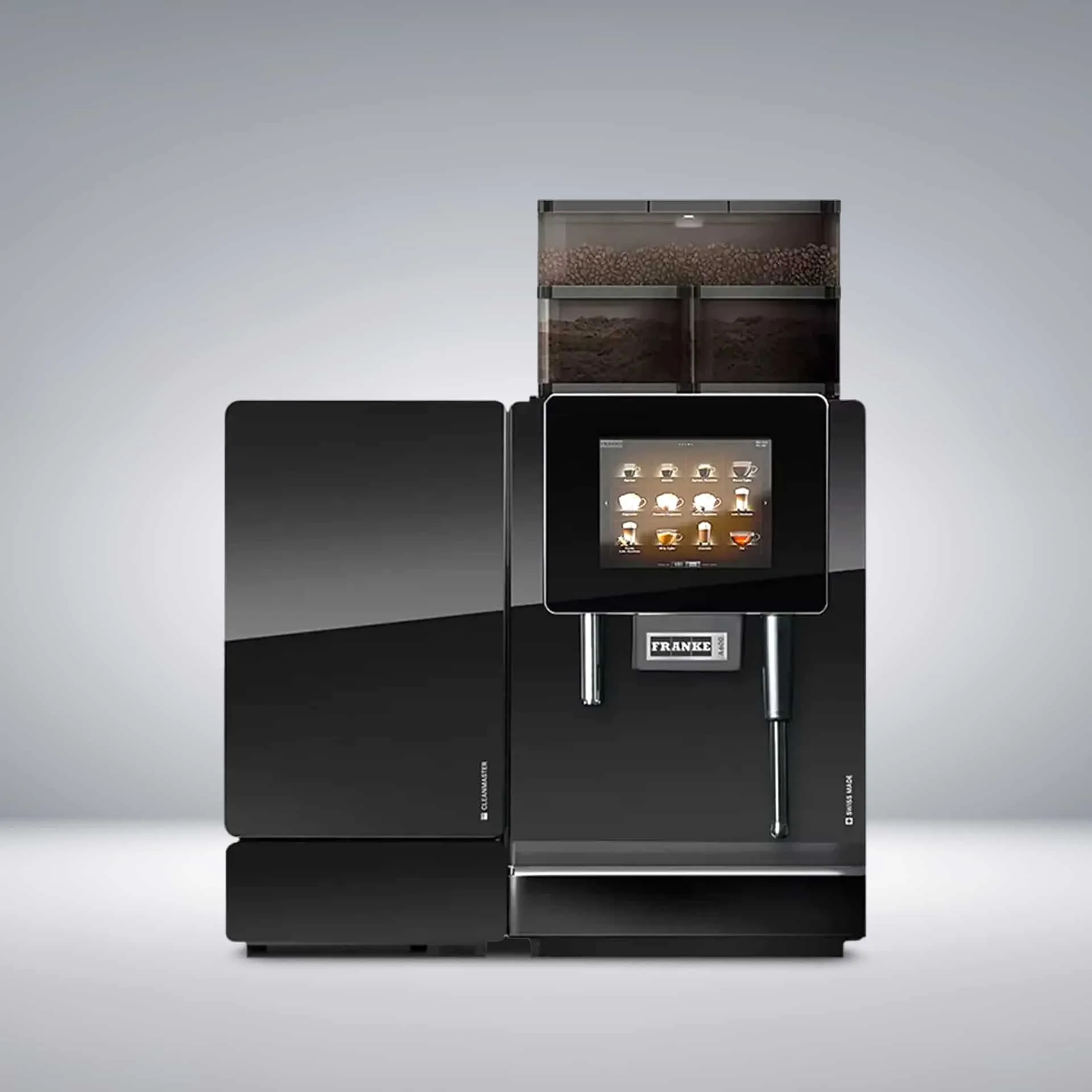
 FRANKE A600
 FRANKE A800
 Gaggia Milano LA BRILLANTE
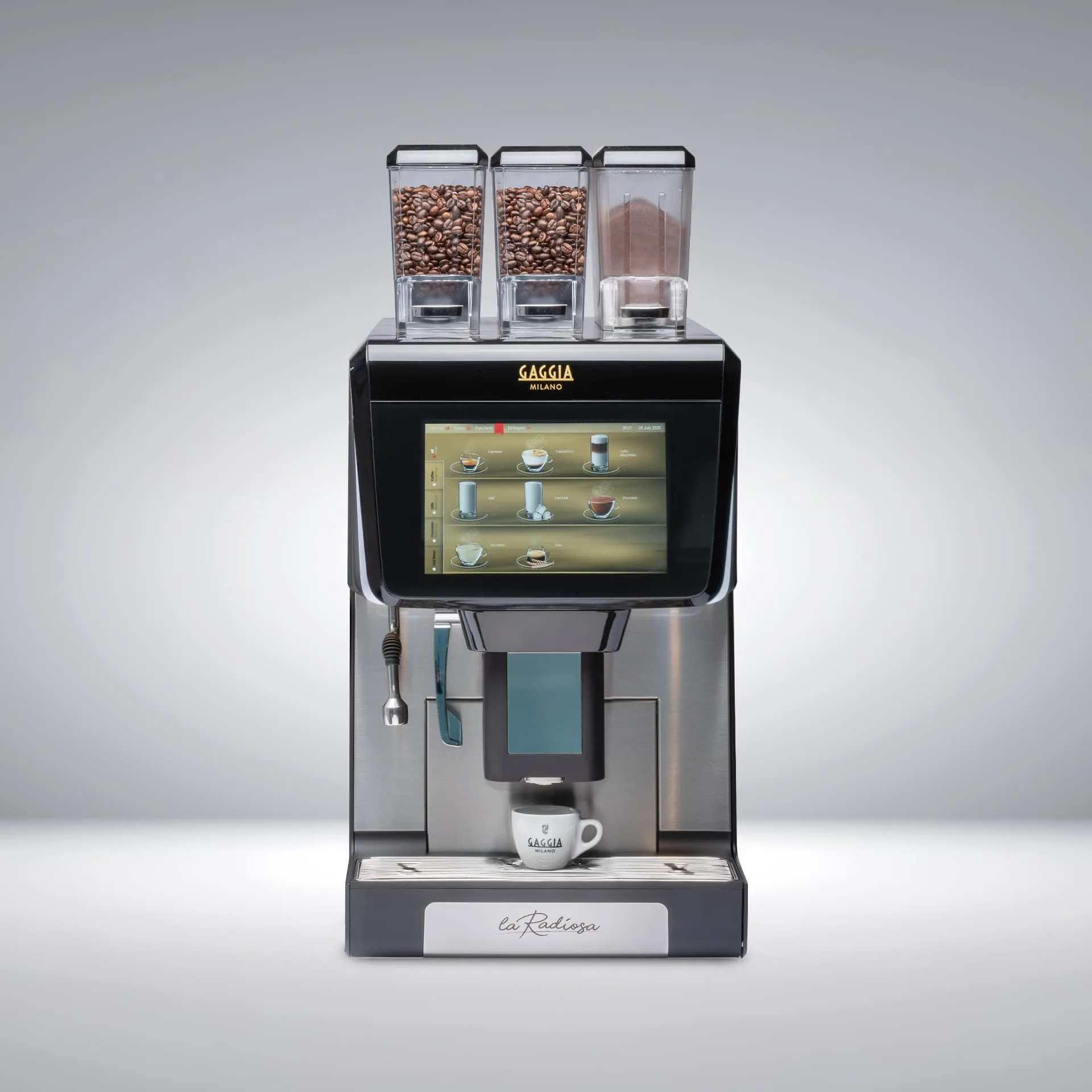
 Gaggia Milano LA RADIOSA
 Gaggia Milano LA SOLARE
 Jura GIGA X3 GEN II
 Jura GIGA X8 - GEN II
 Jura W8 - GEN II
 Jura X10
 NECTA KALEA PLUS
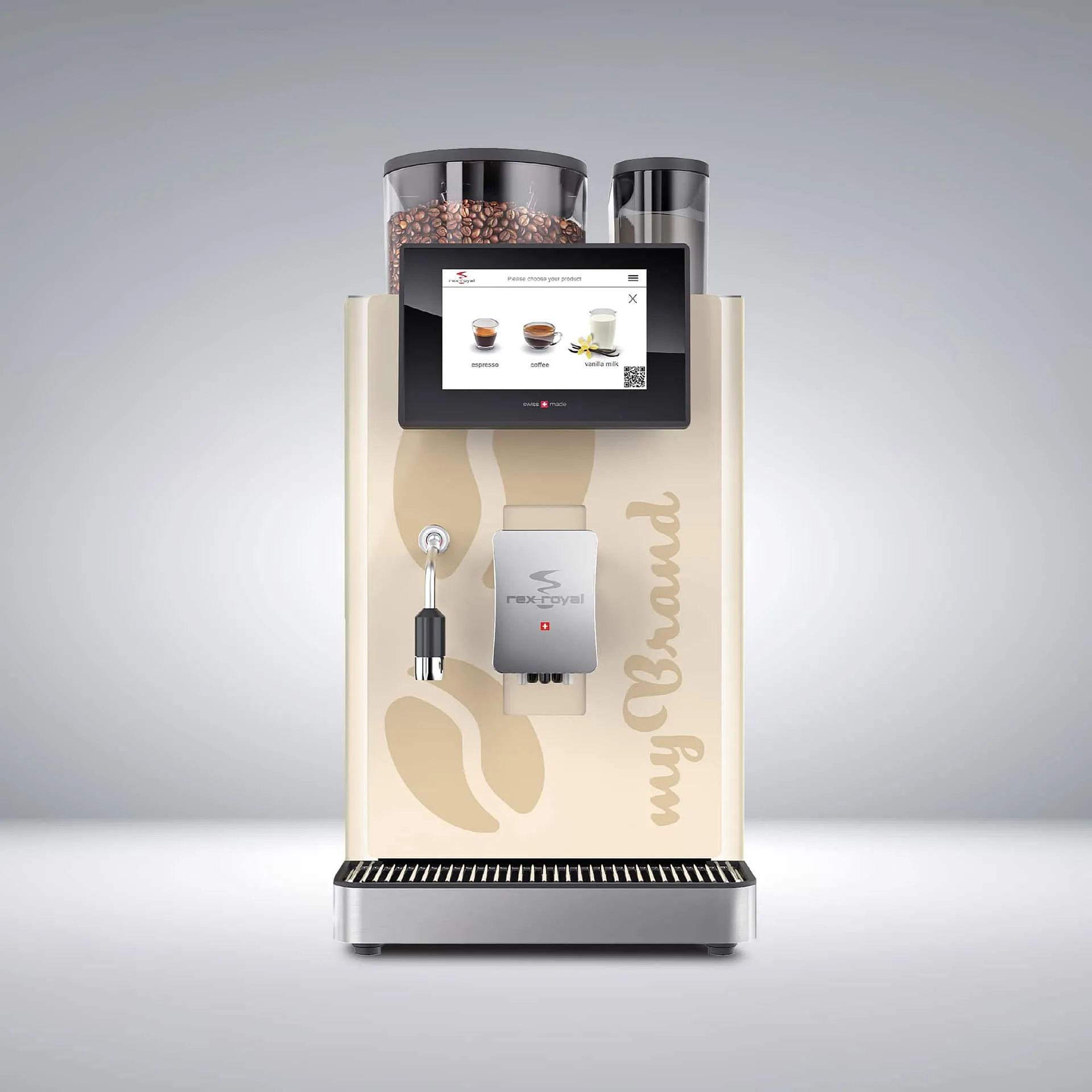
 Rex-Royal S1
Best Hotel Coffee Dispensers for Every Stay
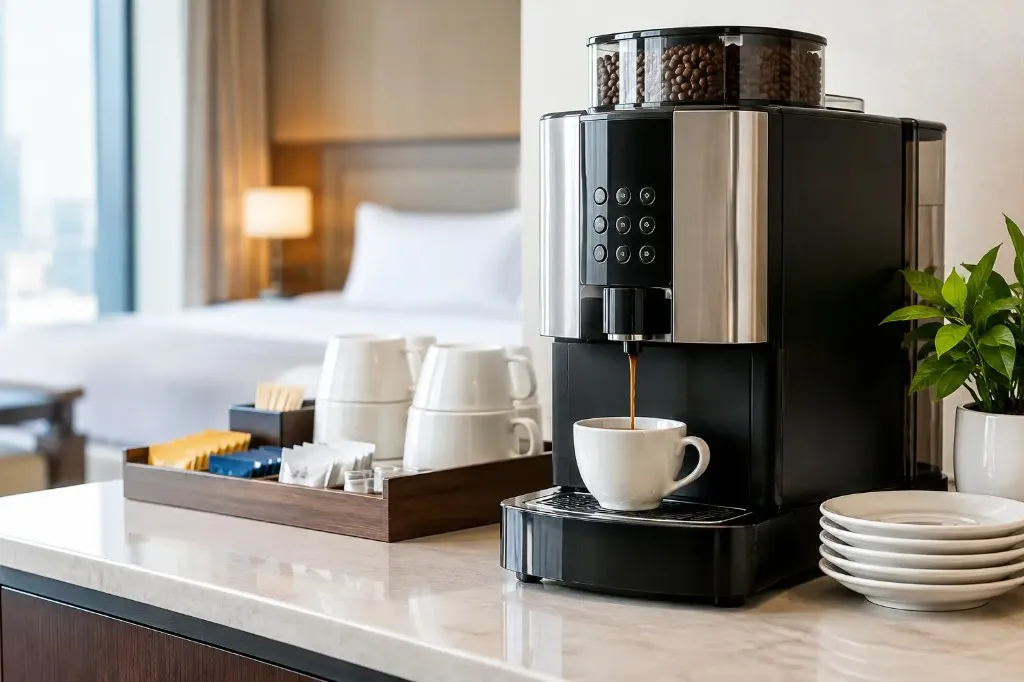
A disappointing coffee station can undo a great first impression remarkably quickly. Guests may forgive a short queue at check-in, but a lukewarm coffee from an empty urn at breakfast is harder to overlook. The best hotel coffee dispensers balance quality, speed and simplicity, giving guests a dependable drink while keeping pressure off your front-of-house and breakfast teams.
For UK hotels, the right choice is rarely the machine with the longest drinks menu. It is the one that suits the space, the service style and the number of cups you expect to serve at your busiest point of the day. A 20-bedroom boutique hotel has very different needs from a conference hotel serving 250 breakfasts before 9am.
What makes the best hotel coffee dispensers?
Hotel coffee equipment has to work across changing demand. Breakfast can be intense and time-sensitive, while a lobby station may see a steady flow throughout the day. A good dispenser should therefore deliver consistent cup quality, be intuitive for guests or staff to use, and be straightforward to clean and replenish.
Bean-to-cup machines are often the strongest all-round option for reception areas, lounges and self-service breakfast spaces. They grind coffee for each drink, offer familiar choices such as espresso, Americano, cappuccino and latte, and reduce the waste associated with brewed coffee held for too long. They are particularly effective where the coffee offer forms part of the guest experience rather than simply filling a cup.
Filter coffee brewers with insulated dispensers still have a valuable role. They can produce large volumes quickly and make sense for busy breakfast buffets, meeting rooms or banqueting areas where guests mainly want black coffee and speed matters more than drink customisation. The trade-off is freshness: coffee held too long loses aroma and character, so batch size and refill timings need managing carefully.
For some properties, the best answer is a combination. A high-volume filter setup can cover the breakfast rush, while a premium bean-to-cup machine in the lobby gives guests a better-quality, made-to-order option later in the day.
Start with peak cups, not total room count
Room count is useful, but it does not tell the whole story. Occupancy patterns, breakfast inclusion, coach parties, events and conference trade all affect demand. A 60-room hotel with a popular weekend package may require greater breakfast capacity than a larger business hotel where many guests leave early.
Estimate how many drinks are likely to be served during your busiest 30 to 60 minutes. This figure helps determine whether a single machine is sufficient, whether twin machines are sensible, and how large the bean hopper, waste container and milk system need to be. It also highlights whether a staff-operated station will be more practical than self-service.
As a guide, a compact commercial bean-to-cup machine may suit lower-volume lounge or reception use. A high-capacity unit with multiple hoppers, larger ingredient canisters and a direct water connection is better equipped for regular breakfast demand. For high-footfall sites, two machines can be a safer commercial decision than one oversized machine. It shortens queues and maintains service if one unit needs cleaning or attention.
Decide who will make the drinks
Guest-operated equipment needs a clear touchscreen, logical drink selection and minimal mess. Fresh milk coffee can be a compelling draw, but the milk must be stored safely and the system cleaned to the manufacturer’s schedule. In an unsupervised breakfast room, this may mean a chilled milk unit, daily cleaning routines and a team member who takes ownership of checks.
Staff-operated equipment gives more control over presentation and can support a more premium service, particularly in a restaurant or executive lounge. It does, however, require training and can create a bottleneck at busy periods. If staff are already taking orders, clearing tables and managing buffet replenishment, expecting them to produce dozens of coffees may not be realistic.
Powder milk systems are worth considering where ease of operation, lower cleaning demands and high volume take priority. Modern systems can deliver a consistent milky drink, although they will not usually match the texture and flavour of fresh milk. This is an area where the desired guest experience should lead the decision, rather than the headline specification.
Matching hotel coffee dispensers to each space
A hotel does not need to use the same machine everywhere. In fact, tailoring the offer by location can improve service and protect budget.
Breakfast rooms and buffet areas
This is where capacity matters most. Look for fast drink output, direct plumbing where possible, large waste capacity and a clear cleaning process that staff can complete between services. A machine connected to the mains water supply avoids the interruption of refilling tanks during the rush and provides a more consistent experience.
For a self-service breakfast buffet, consider the practical layout around the machine as well. Guests need room to choose a cup, make their drink, add milk or sugar if required, and move away without blocking others. Positioning the coffee point away from the main food queue can make the entire room feel calmer.
Reception, lobby and lounge areas
Here, coffee is part of the welcome. A compact fresh-milk bean-to-cup machine can make a strong impression without requiring a trained barista. Choose a model that offers recognisable favourites, dispenses reliably into the cups you provide and looks appropriate alongside the rest of the interior.
Sound also matters. A grinder will make noise, so avoid placing a machine directly beside quiet seating or a concierge desk where guests are having sensitive conversations. If the lobby is open around the clock, think about who will clean, refill and check the machine outside breakfast hours.
Bedrooms, meeting rooms and executive spaces
Bedrooms are usually better served by simple in-room solutions rather than commercial dispensers. However, premium suites, club lounges and executive floors may justify a compact machine or curated coffee point. Reliability and ease of use are more important here than an extensive menu.
Meeting rooms have a different rhythm. A filter brewer with insulated server can work well for large groups, while a bean-to-cup machine suits boardrooms and client-facing spaces where quality is under greater scrutiny. Avoid relying on glass jugs sitting on hotplates for long periods. They are inexpensive, but they can leave a poor final impression after an otherwise well-run meeting.
The operational details that protect your investment
The purchase price or monthly rental figure is only one part of the cost. Water supply, drainage, electrical capacity, cleaning time, coffee consumption and maintenance cover all shape the real cost of hotel coffee service.
A plumbed-in machine is often preferable in high-use locations, but it requires a suitable water point and may need filtration to protect internal components and improve taste. A tank-fed machine is more flexible where plumbing is difficult, although it depends on staff keeping it topped up. Neither is automatically better - the right answer depends on the site survey and expected daily use.
Bean capacity deserves attention too. A machine that serves excellent coffee but needs filling halfway through every breakfast service creates avoidable work. Similarly, a small drip tray or waste container can stop service at exactly the wrong moment. Ask about hopper size, grounds capacity, cleaning prompts and realistic cups-per-day guidance, not just maximum theoretical output.
Coffee quality should be treated as part of the equipment decision. Freshly ground beans can only do so much if the blend does not suit your guests or if recipes have not been configured properly. A medium roast with a balanced profile is often a dependable hotel choice, working well in black coffee and milk-based drinks. The machine should then be set to produce a cup size and strength that feels generous without becoming wasteful.
Rental, leasing or buying: choose flexibility with intent
Hotels can be seasonal, and operational needs can change after a refurbishment, new breakfast format or growth in corporate bookings. Buying may suit an established property with a clear long-term requirement and an in-house plan for maintenance. Rental or leasing can be attractive where preserving capital, spreading costs and retaining the option to upgrade matters more.
Whatever route you choose, clarify what happens when the machine needs attention. Downtime during breakfast is visible to guests and disruptive for staff. Maintenance arrangements should cover routine servicing, response expectations, replacement parts and, where appropriate, support with water filters and cleaning products.
The strongest coffee setups are not selected from a specification sheet alone. A short assessment of your hotel’s footfall, available services, peak periods and guest expectations will usually reveal the right balance between premium drinks and practical operation. Full House Coffee can help match that requirement to a commercial machine, coffee supply and support plan that remains manageable long after installation.
Give guests a coffee point that feels considered, and your team a setup they can run confidently at 7am on a fully booked Saturday. That is the standard worth specifying for.