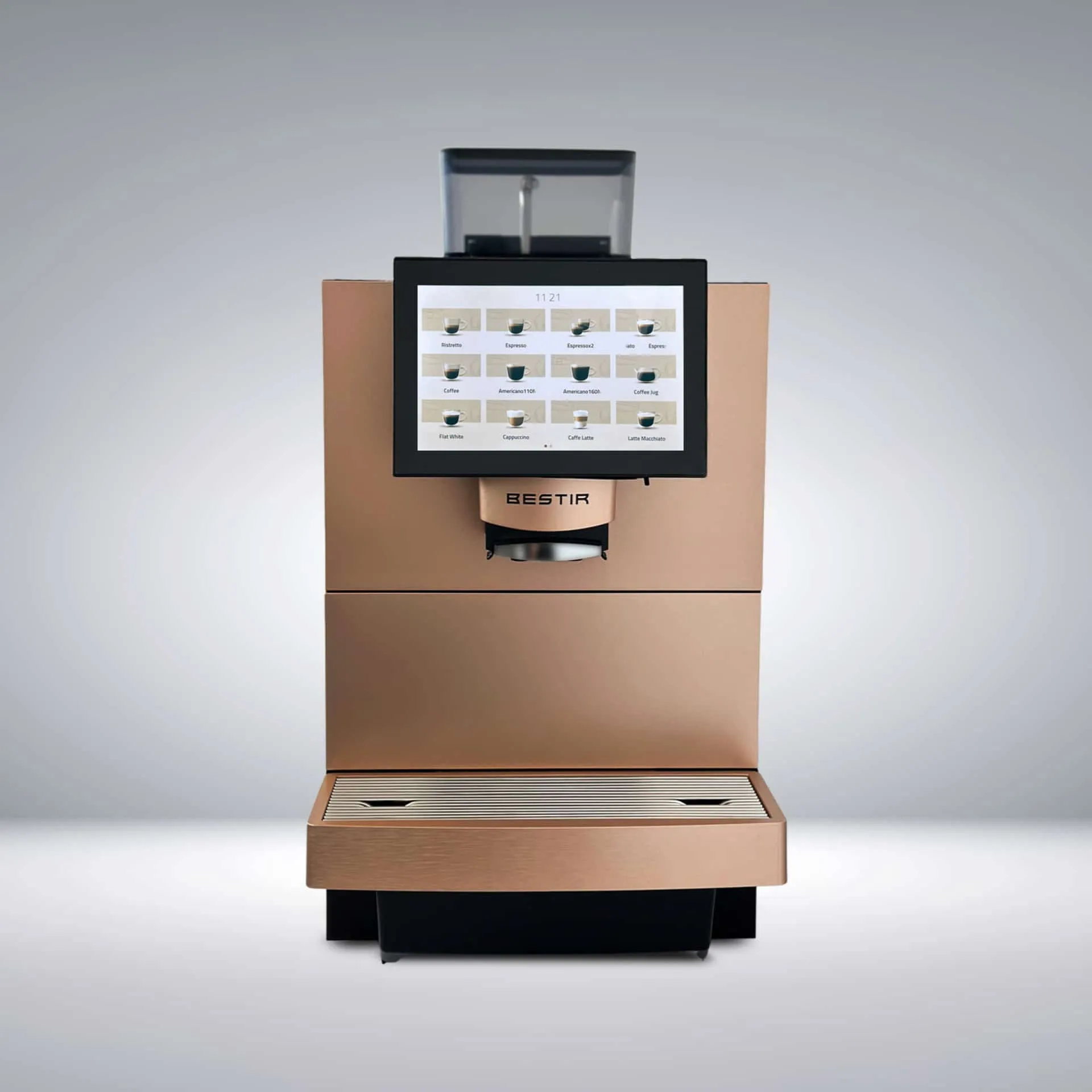
 BESTIR BM50
 BESTIR BM80
 BESTIR BMC300
 Coffetek Vitro M5 MIA
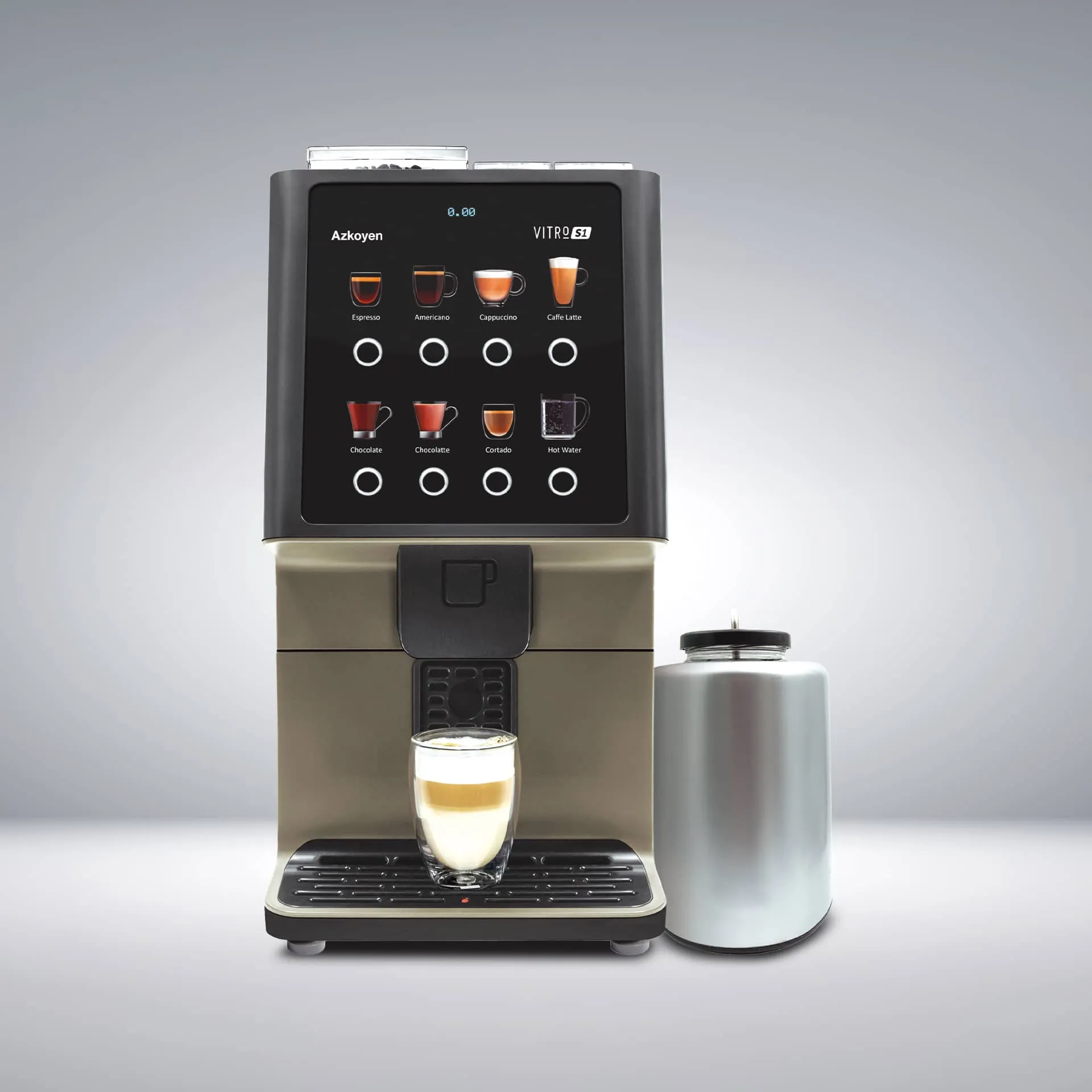
 Coffetek Vitro S1
 Coffetek Vitro S1 MIA
 Coffetek Vitro X1 MIA
 Coffetek Vitro X3
 Primio Coffee Beans
 Espresso Coffee Beans
 Ultimo Coffee Beans
 Vero Coffee Beans
 Coffetek Vitro X4 ESP
 FRANKE A300 FM
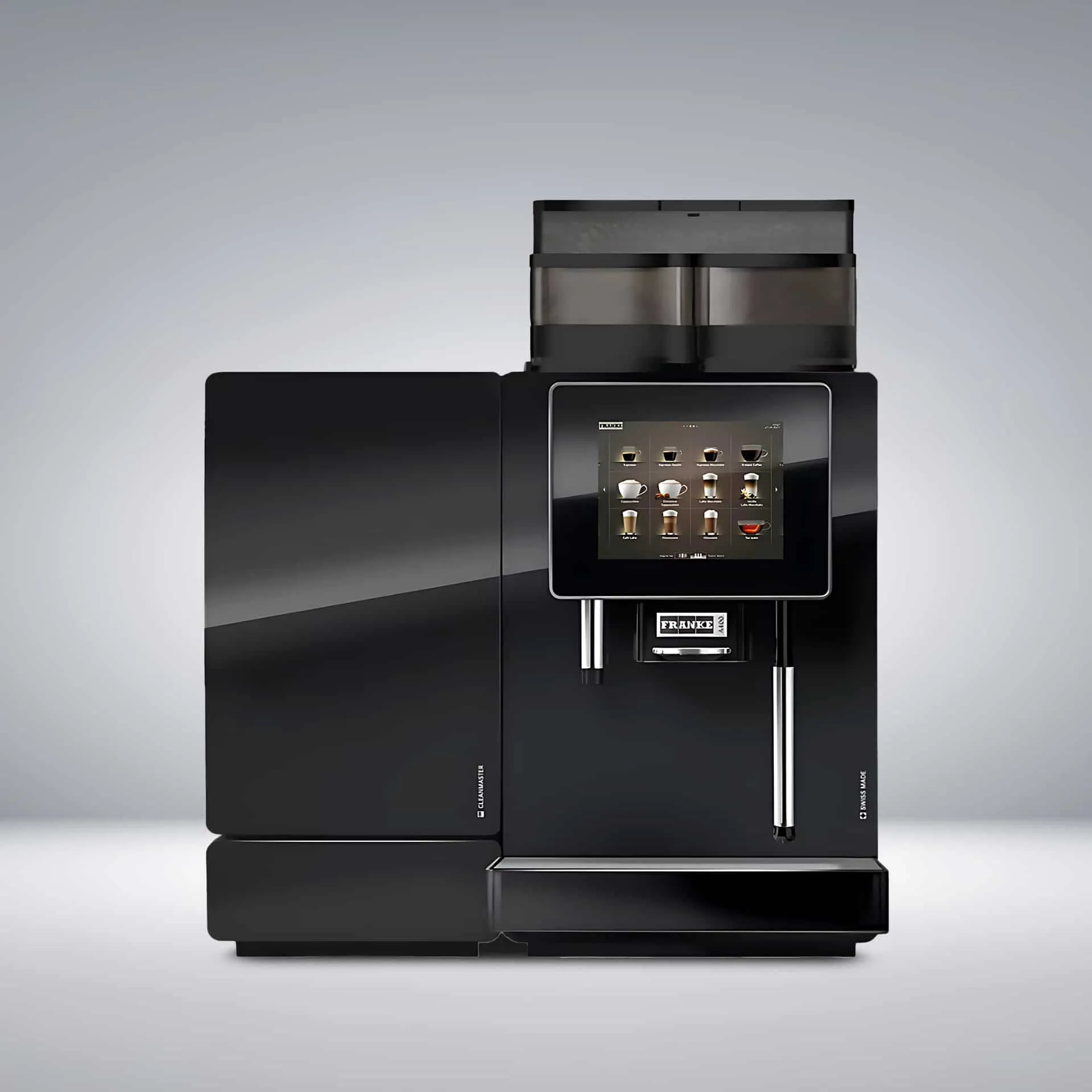
 FRANKE A400
 FRANKE A600
 FRANKE A800
 Gaggia Milano LA BRILLANTE
 Gaggia Milano LA RADIOSA
 Gaggia Milano LA SOLARE
 Jura GIGA X3 GEN II
 Jura GIGA X8 - GEN II
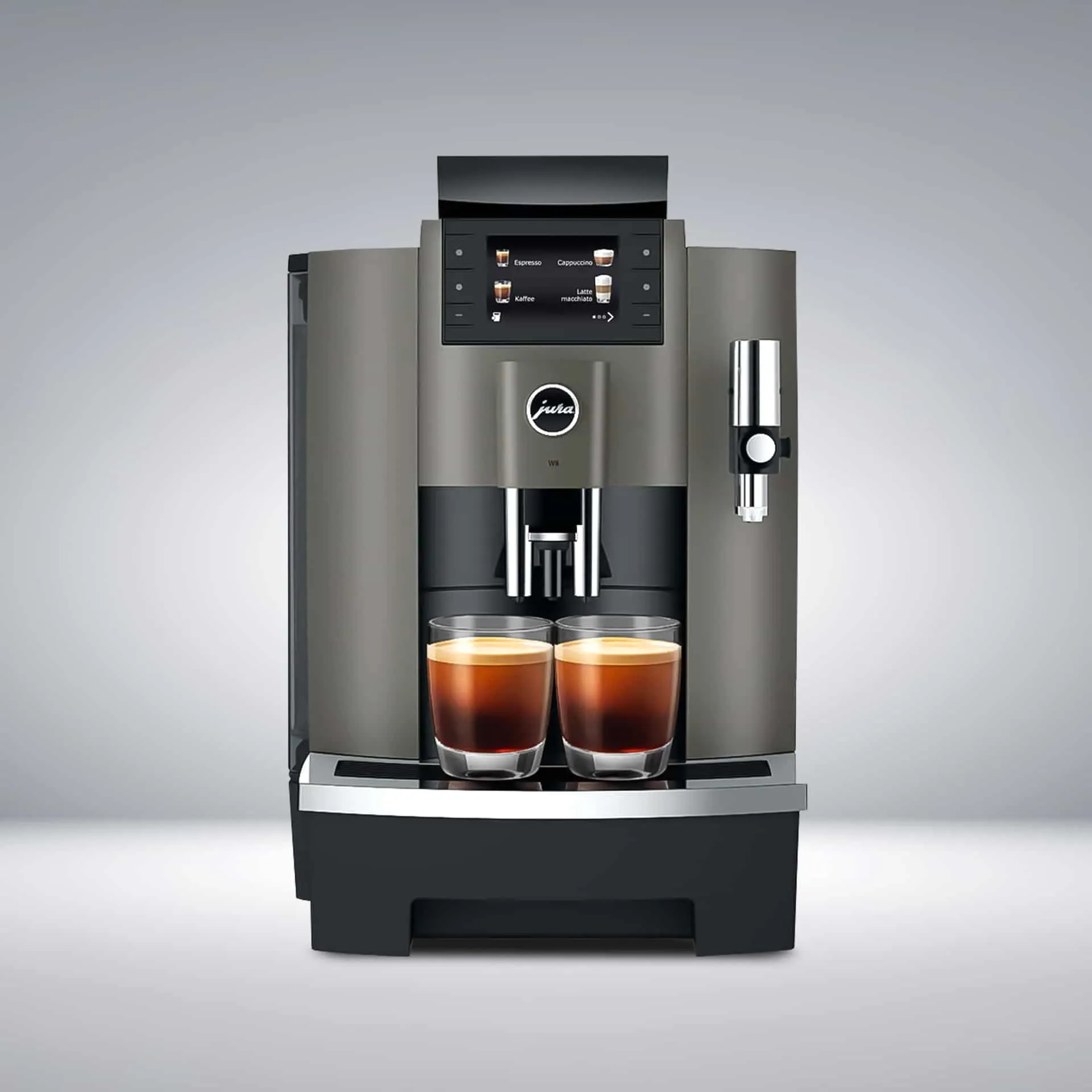
 Jura W8 - GEN II
 Jura X10
 NECTA KALEA PLUS
 Rex-Royal S1
How Long Do Office Coffee Leases Last in the UK?
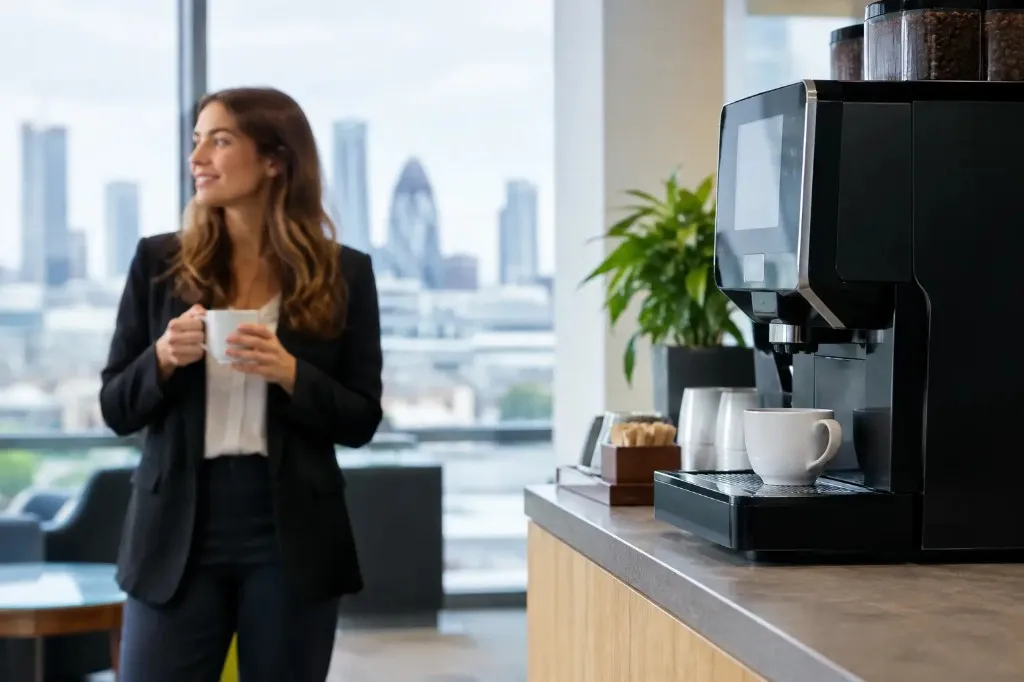
A coffee machine can be one of the most-used pieces of equipment in your workplace, so the agreement behind it deserves more than a quick signature. If you are asking how long do office coffee leases last, the short answer is usually between three and five years. The useful answer is that the right term depends on your team, the machine specification, how predictable your coffee demand is, and how much flexibility your business needs.
For a busy office, hotel reception or customer showroom, leasing can spread the cost of premium bean-to-cup coffee equipment while keeping monthly spend predictable. But term length affects far more than the payment. It can influence your upgrade options, maintenance arrangements and what happens when the agreement ends.
How long do office coffee leases last?
Most commercial office coffee machine leases in the UK run for 36, 48 or 60 months. A 36-month term is common for businesses that want a sensible monthly cost without being tied to the same equipment for too long. Five-year agreements can reduce the monthly payment, which may suit an established site with consistent demand and a clear long-term budget.
Shorter terms are sometimes available, particularly through rental-style arrangements, but they are not always offered on every machine. High-capacity fresh milk machines and fully plumbed-in installations tend to involve a greater initial investment, so a longer agreement may be needed to make the monthly figure work.
There is no universal “best” term. A 20-person office using a compact bean-to-cup machine has very different needs from a 200-person workplace with multiple coffee points and a daily flow of clients. The lease should match the operation, not simply offer the lowest monthly number.
Lease, rental and hire: why the wording matters
Business buyers often use lease and rental interchangeably, but the commercial details can be different. Before comparing quotes, establish exactly which agreement is being offered.
A lease is typically a fixed-term finance arrangement for the equipment. You make agreed monthly payments over the term, and the end-of-agreement options are set out in the contract. Depending on the arrangement, those options may include returning the machine, continuing to hire it, upgrading, or discussing a further agreement. Do not assume the machine automatically becomes your property at the end.
A rental agreement is often designed to provide greater operational flexibility. It may include the machine and, depending on the supplier, service support or planned maintenance. Rentals can work well for companies in temporary premises, fast-growing teams, seasonal venues or businesses that prefer not to make a long commitment.
A purchase has the highest upfront cost but gives the business direct control of the asset. It can be a good fit where budgets allow, coffee demand is stable and the business is happy to arrange maintenance separately or as part of a support plan.
The practical question is not which label sounds best. It is whether the agreement gives you the machine, support level and exit options your workplace actually needs.
What determines the length of a coffee machine lease?
The machine itself is a major factor. A straightforward tabletop bean-to-cup machine for modest daily volumes usually costs less to fund than a high-output fresh milk model with dual hoppers, multiple drink settings, a large boiler and a mains water connection. As equipment cost rises, extending the term can make monthly payments more manageable.
Expected cup volume matters too. A machine serving 30 to 50 cups a day faces a different workload from one producing 200 drinks across a large office, hotel breakfast service or showroom. Higher-use environments often need more capable equipment and more deliberate maintenance planning. In some cases, it makes sense to choose a term that allows a review before the machine reaches the point where heavy use changes its performance or your requirements.
Your business plans should also influence the decision. Are you about to move offices? Is headcount likely to double? Are you trialling an upgraded staff amenity before rolling it out across several sites? A shorter commitment or a flexible rental option may be worth a slightly higher monthly cost if it prevents you from being left with an unsuitable setup later.
Finally, consider what is included. A low monthly equipment figure can look attractive until call-outs, filters, cleaning products, installation, water work or replacement parts are added. A clear proposal should separate the finance element from beans, maintenance and any other ongoing services, so you can compare like for like.
Choosing between a three- and five-year term
A three-year office coffee lease is often the balanced option. It provides enough time to spread the cost of quality commercial equipment while allowing the business to reassess needs within a realistic planning cycle. It can be especially suitable for growing offices, businesses refreshing an employee benefits package, or sites where usage data is still emerging.
A five-year term may be more appropriate where the site is established, daily demand is consistent and reducing the monthly payment is a priority. It can make premium equipment more accessible, particularly where a business wants fresh milk drinks, high output and a polished customer-facing experience.
The trade-off is straightforward. A longer term usually means lower monthly payments, but less freedom to change course. A shorter term may cost more each month, but can give you a faster route to new equipment or a different specification.
This is where an honest site assessment helps. A machine chosen for 50 daily drinks may struggle if the office reaches 150 employees. Equally, paying for a large, feature-heavy machine that makes 25 drinks a day is not efficient. No pressure, just expert advice is a better starting point than selecting on price alone.
Questions to ask before signing
Before committing to any office coffee lease, ask for clear answers in writing. The following questions will help uncover the details that affect the real cost and suitability of the agreement:
- What is the fixed term, and are payments monthly or quarterly?
- What are the options at the end of the agreement?
- Can the machine be upgraded or changed if our headcount or cup volume changes?
- Is installation included, including water connection work if required?
- What maintenance, servicing and breakdown support is included, and what is excluded?
- Are coffee beans or cleaning products tied to the agreement, or quoted separately?
- What happens if we move premises, close a site or need to end the agreement early?
Early termination deserves particular attention. Commercial finance agreements can require outstanding payments or a settlement figure if you end them before the agreed date. That does not mean leasing is the wrong choice. It means the term should be chosen with enough care that it still suits your likely circumstances a year or two from now.
Also ask about response times for faults. Good coffee has a habit of becoming very visible only when it disappears. In a workplace or client-facing setting, a machine out of action can quickly become an annoyance for staff and a poor reflection on the business. The value of reliable support is often greater than the small saving from the cheapest quote.
Build service into the decision, not as an afterthought
A commercial coffee machine needs daily cleaning, the right consumables and periodic servicing to maintain drink quality. Fresh milk systems, in particular, need proper cleaning routines and staff who know how to use them. The more automated the machine, the easier daily operation can be, but it still needs attention.
Maintenance can be bundled into a rental package, added to a lease arrangement, or purchased separately. The right approach depends on your in-house capability and the importance of coffee at the site. A small office with a simple machine may be comfortable with a lighter support package. A hotel lounge, busy reception or premium showroom is more likely to benefit from planned maintenance and responsive breakdown cover.
At Full House Coffee, the starting point is the working environment: available space, water access, expected cups per day, milk preference and budget. That approach helps avoid a common mistake - committing to a long agreement before confirming that the machine is right for the people using it.
A sensible way to choose your term
Start with the machine requirement, then choose the finance period. Estimate realistic daily drink volume rather than guessing from total headcount. Consider whether most people want black coffee, milk-based drinks or both, and whether the machine needs to cope with concentrated peaks at 9am, after lunch or during client meetings.
Then look ahead three to five years. If your premises, workforce and coffee demand are stable, a longer term may offer useful budget certainty. If your business is changing quickly, prioritise options that let you adapt. The best agreement is not necessarily the shortest or the cheapest. It is the one that keeps good coffee flowing without creating an awkward commitment when your workplace moves on.