 BESTIR BM50
 BESTIR BM80
 BESTIR BMC300
 Coffetek Vitro M5 MIA
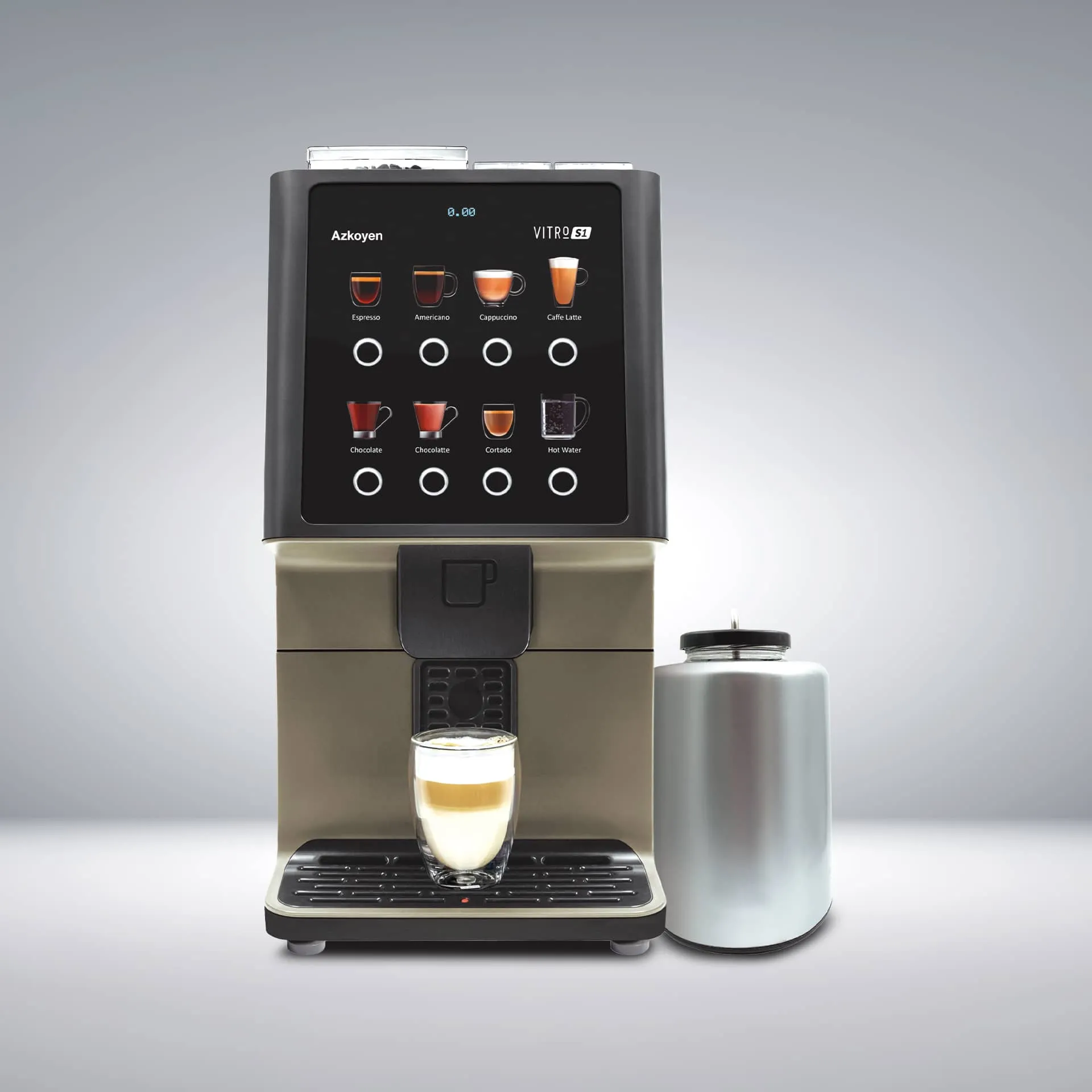
 Coffetek Vitro S1
 Coffetek Vitro S1 MIA
 Coffetek Vitro X1 MIA
 Coffetek Vitro X3
 Primio Coffee Beans
 Espresso Coffee Beans
 Ultimo Coffee Beans
 Vero Coffee Beans
 Coffetek Vitro X4 ESP
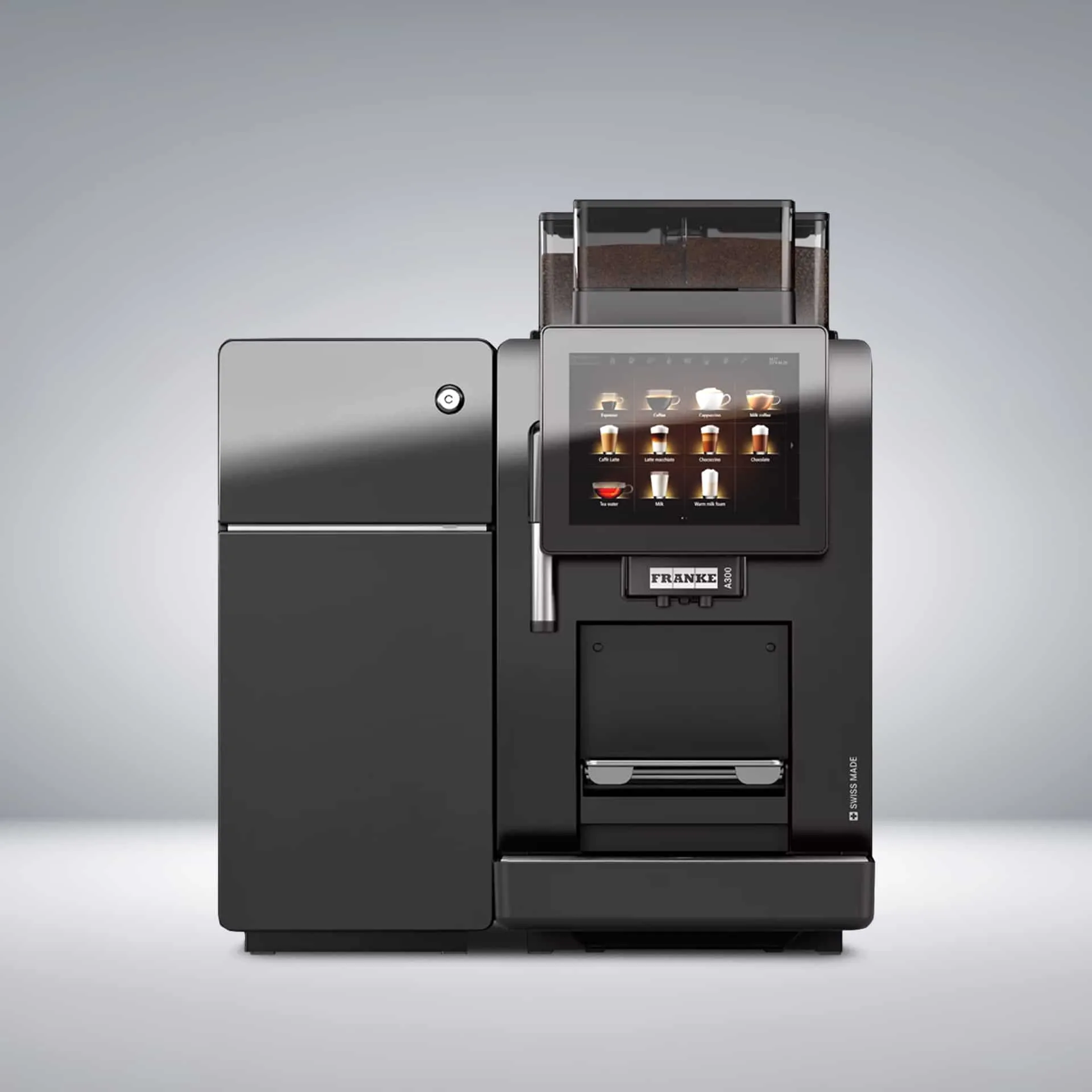
 FRANKE A300 FM
 FRANKE A400
 FRANKE A600
 FRANKE A800
 Gaggia Milano LA BRILLANTE
 Gaggia Milano LA RADIOSA
 Gaggia Milano LA SOLARE
 Jura GIGA X3 GEN II
 Jura GIGA X8 - GEN II
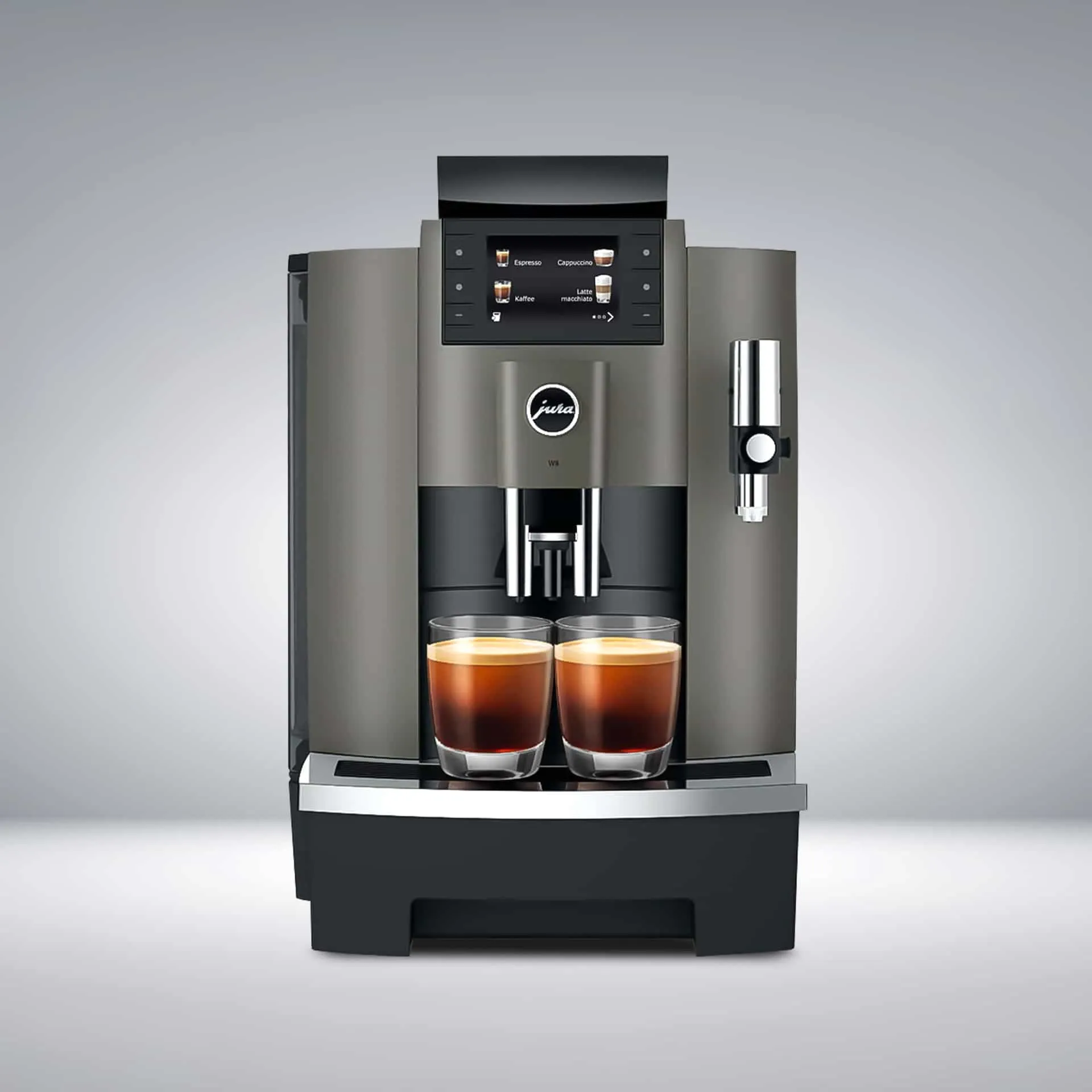
 Jura W8 - GEN II
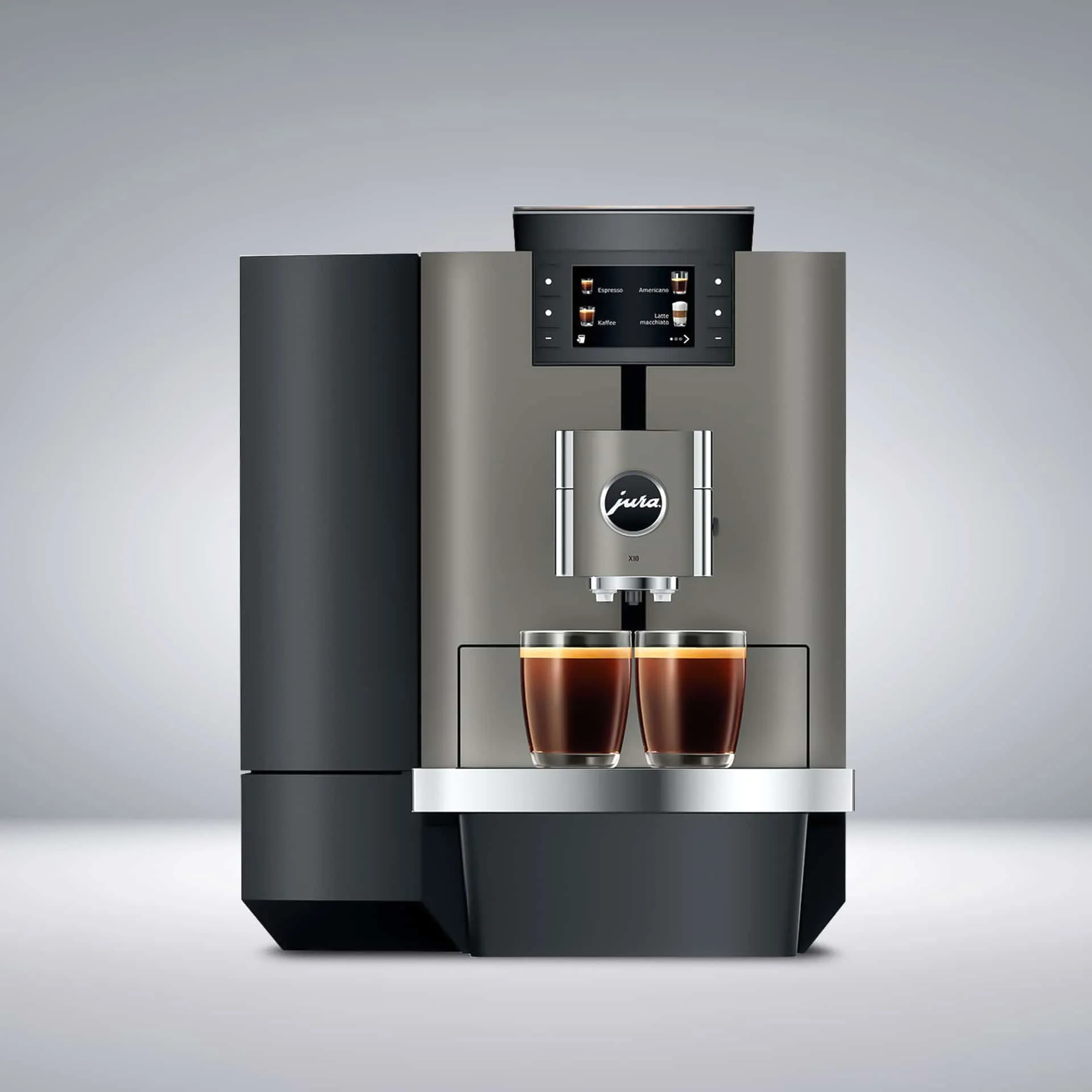
 Jura X10
 NECTA KALEA PLUS
 Rex-Royal S1
Commercial Coffee Machine for Limited Space
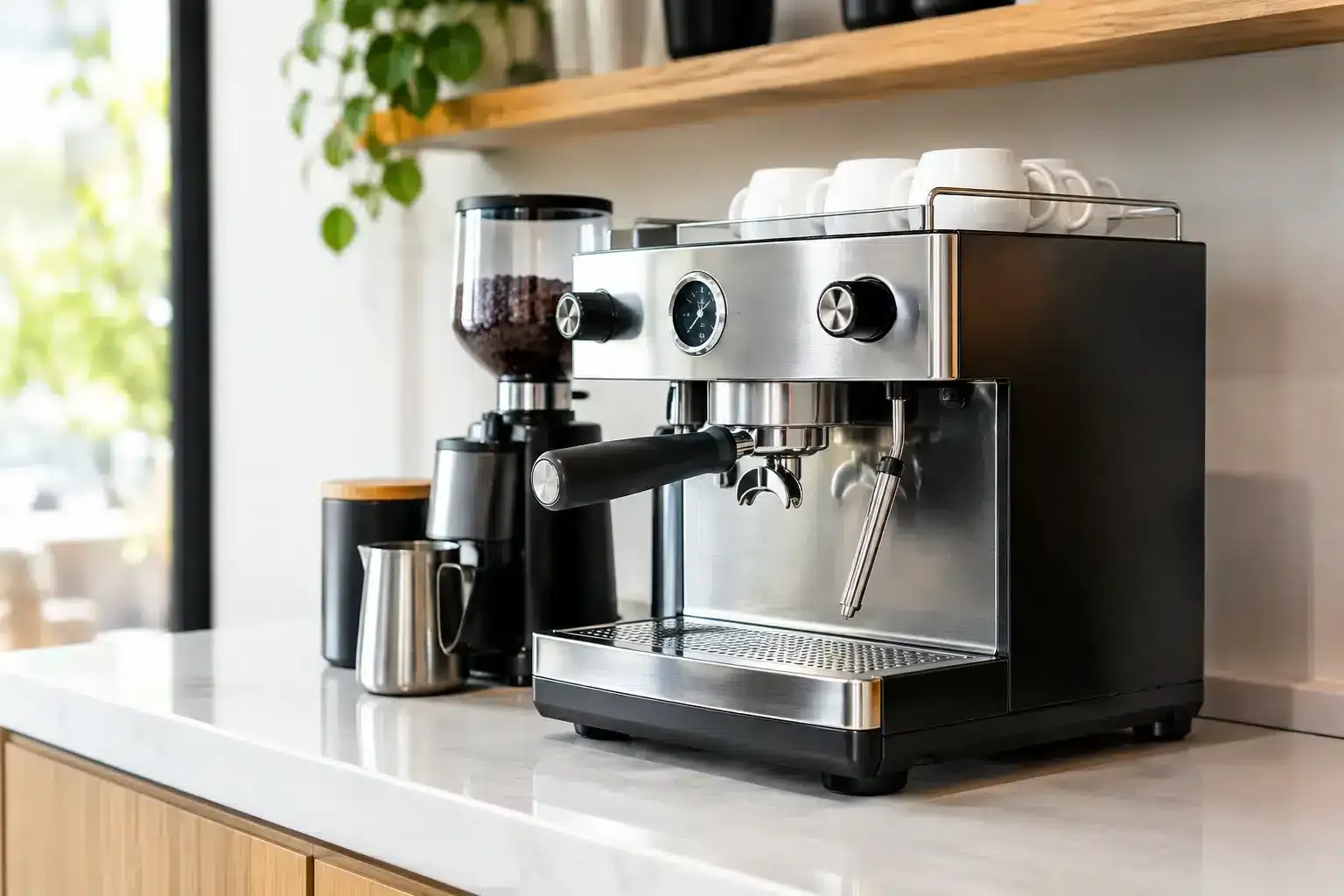
A cramped staff kitchen, compact reception desk or narrow hotel breakfast area should not mean settling for poor coffee. The right commercial coffee machine for limited space can serve excellent bean-to-cup drinks without taking over the worktop, creating queues or becoming another maintenance headache for your team.
The key is to assess the whole coffee station, not just the machine’s footprint. A model may look compact on paper, but its hopper lid, fresh milk fridge, water filter, waste drawer and cleaning access all need room to work properly. Get those details right at the outset and a small area can deliver coffee that feels properly premium.
Start with the space around the machine
Width and depth matter, but vertical clearance is often the detail that catches businesses out. Most bean-to-cup machines need extra space above them to refill beans and complete routine cleaning. A unit placed under wall cupboards may fit physically, yet become difficult to use every time the hopper needs topping up.
Measure the available worktop area, the height to any cupboards or shelving, and the clearance at the front and sides. Your team needs to be able to remove the drip tray, empty the grounds container and wipe down the machine without shifting it away from the wall. In a customer-facing setting, also consider where people will stand while choosing a drink and waiting for it to dispense.
Power and water access deserve the same attention. A tank-fed machine can be a practical choice where plumbing is unavailable or where the coffee point may move in future. A plumbed-in machine removes the daily task of filling a tank and is often better for regular demand, but it needs an appropriate water connection, filtration and planned installation.
Match capacity to real demand, not the room size
A compact machine is not automatically a low-capacity machine. Many professional bean-to-cup models have been designed for offices, showrooms and meeting spaces where worktop space is scarce but coffee expectations are high.
Start with an honest view of how many drinks you expect each day, then look at peak periods. An office of 25 people may drink 40 cups over a day, yet half of those could be made between 8:30am and 10am. A machine that handles the total daily figure may still feel slow if it cannot cope with the morning rush or back-to-back meeting breaks.
For a small office, reception area or directors’ suite, a compact fresh milk bean-to-cup machine can offer espresso, americano and milk-based favourites from a relatively modest footprint. For busy hospitality areas, larger hopper capacity, faster drink delivery and a plumbed-in supply may be more valuable than saving a few centimetres of worktop.
This is where the trade-off matters. The smallest unit can reduce visual clutter, but a machine with a tiny bean hopper, water tank and grounds container may demand frequent attention. That can be perfectly acceptable in a low-volume showroom. It is less suitable for a busy office where nobody has time to refill and empty it several times a day.
Think about peak drinks, not just daily cups
Ask who will use the machine and when. Is it mainly employees making coffee throughout the day? Is it visitors arriving in groups? Is it a café counter where every minute of waiting affects service?
A good specification considers drink speed, menu choice and waste capacity alongside cups per day. It should also allow headroom for growth. If your team is expanding or your office is moving to a more guest-facing model, choosing a machine that can scale with you is usually more cost-effective than replacing it too soon.
Choose the milk system carefully
Milk is usually the biggest space and cleaning consideration after the machine itself. Fresh milk produces the café-style flat whites, lattes and cappuccinos many people expect, but it requires a chilled milk solution beside or underneath the machine. That extra fridge footprint must be included in the plan.
An integrated milk system can keep a coffee station neat where space is extremely tight. A separate milk fridge may give greater capacity and make sense for higher-volume use, although it adds width. The right choice depends on the drinks menu, expected use and whether the coffee point is staff-only or customer-facing.
Powdered milk systems can reduce refrigeration requirements and simplify some operating demands. They can be useful where fresh milk storage is impractical, but they will not suit every business or every coffee standard. If your brand experience relies on a properly textured fresh-milk cappuccino, it is worth protecting that quality rather than choosing solely on footprint.
Cleaning should influence the decision too. Fresh milk machines need daily milk-system care. Automated rinse and clean programmes can make this straightforward, but someone still needs a clear responsibility for completing them. A machine is only convenient if the routine fits the people using it.
Design a compact coffee station that works
A commercial coffee machine for limited space works best when the surrounding station has been planned with the same care as the equipment. Keep frequently used items close by: cups, lids where needed, stirrers, sugar and a small bin. Avoid turning a two-metre coffee break into a walk around the office kitchen looking for supplies.
Do not crowd the machine with jars, signs and spare stock. Beans need dry, sensible storage away from heat, while cleaning materials should be accessible but kept separate from food and drink items. In a reception or showroom, a tidy coffee point quietly reinforces the standard of the business.
Noise is another practical consideration. Bean grinding is part of making fresh coffee, so placing a machine directly beside a private meeting room or quiet desk area may not be ideal. A compact model can fit almost anywhere, but that does not mean every location is suitable during busy periods.
For businesses with very limited worktop space, a dedicated trolley or compact cabinet can be an option, provided it is stable, properly positioned and allows for ventilation and service access. It can also make the coffee point easier to relocate as layouts change.
Do not overlook service access and ongoing costs
A machine that fits on day one still needs beans, cleaning products, filters and occasional professional support. Before choosing, confirm how the machine will be replenished, who will manage daily cleaning and what happens if it develops a fault.
For many workplaces, rental or lease arrangements make the decision easier. They can spread costs, include support options and allow more flexibility if cup volumes change. Purchasing may be right for an established operation that knows exactly what it needs, but it places more responsibility on the business to plan servicing and replacement costs.
The lowest initial price is rarely the full story. Consider the cost of downtime, staff time spent managing a poorly matched machine and the impression weak coffee leaves on clients. A reliable premium machine with the right maintenance arrangement can offer better value over time, particularly where coffee is part of the employee or guest experience.
A site assessment prevents expensive compromises
Photographs and basic dimensions are helpful, but a proper discussion about your premises often reveals details that product comparisons miss. Water pressure, cupboard clearance, peak demand, drainage, counter strength and nearby power points can all affect the best option.
Full House Coffee helps businesses assess these practical requirements before recommending equipment, coffee supply and maintenance support. The aim is not to force the biggest machine into the smallest gap. It is to create a coffee solution that performs well every working day, with a level of flexibility that suits the business.
Questions to ask before you choose
Before committing, ask how many drinks the machine can comfortably make at peak times, whether it is tank-fed or plumbed in, what milk setup it uses and how much room is needed for cleaning. Also check bean hopper size, grounds capacity, daily cleaning tasks, warranty or maintenance cover, and what happens if your requirements grow.
A well-chosen compact coffee machine should make life easier, not create a daily list of refills, cleaning alerts and frustrated queues. Give the available space the same attention as drink quality and capacity, and even the smallest workplace coffee point can feel considered, professional and genuinely welcoming. No pressure, just expert advice.