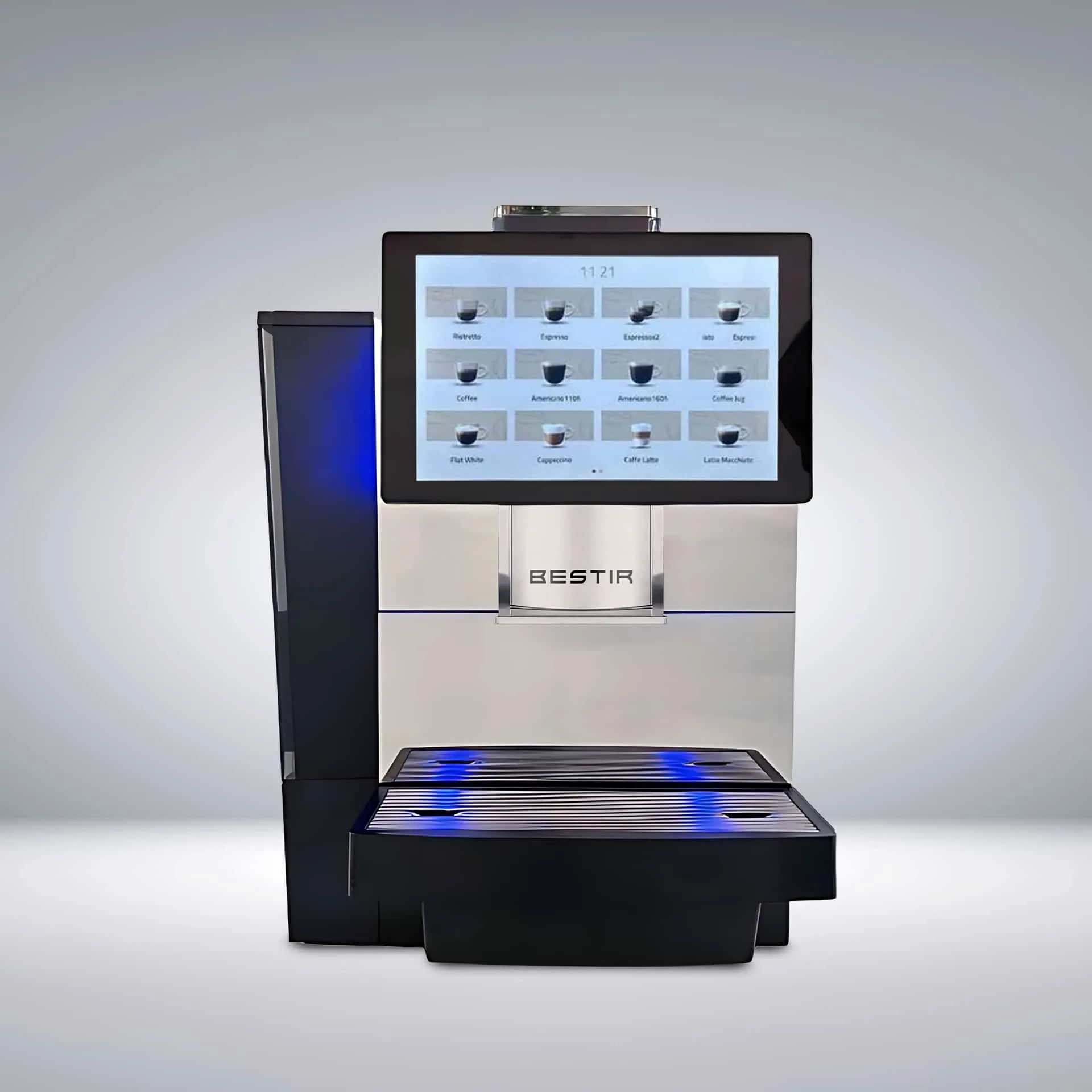
 BESTIR BM50
 BESTIR BM80
 BESTIR BMC300
 Coffetek Vitro M5 MIA
 Coffetek Vitro S1
 Coffetek Vitro S1 MIA
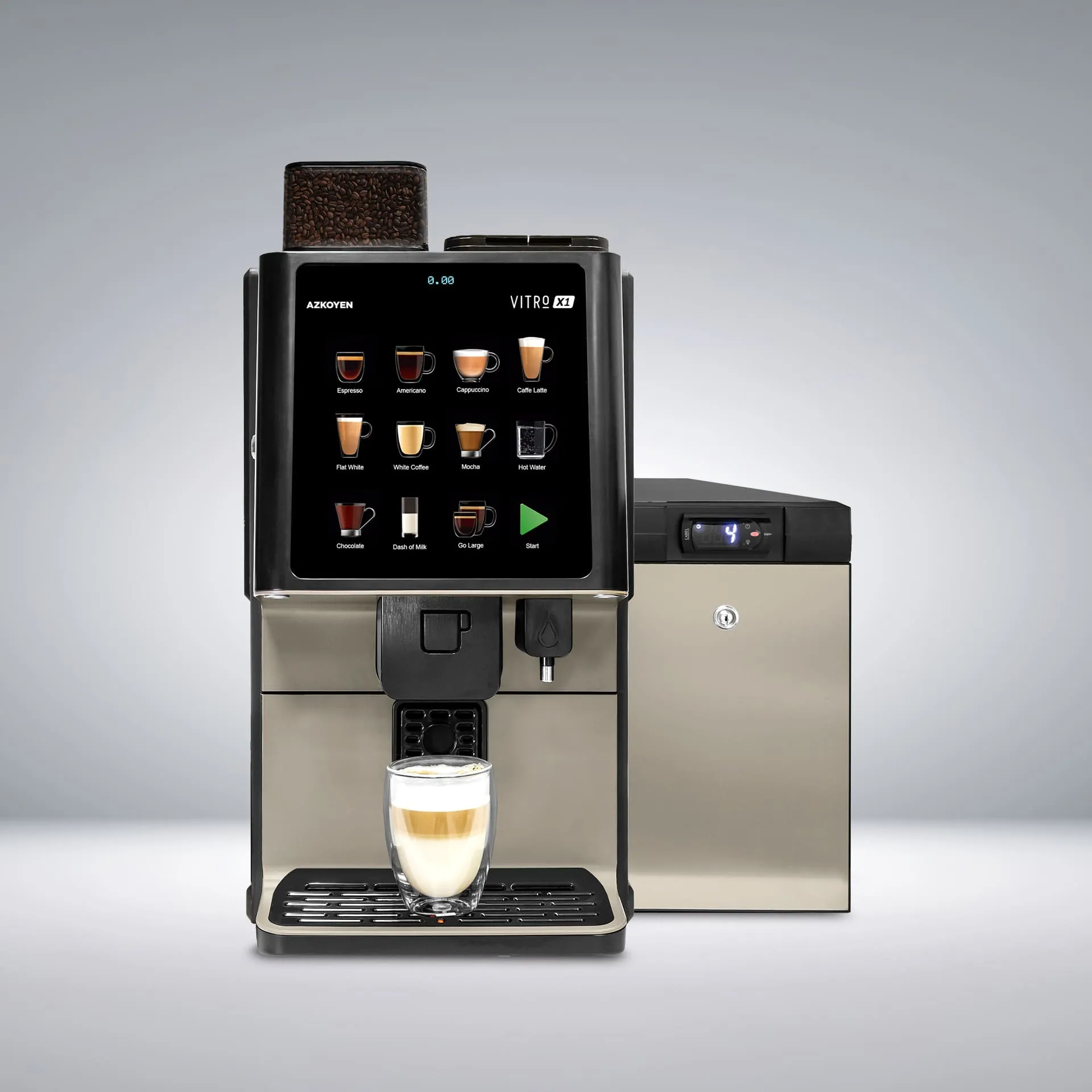
 Coffetek Vitro X1 MIA
 Coffetek Vitro X3
 Primio Coffee Beans
 Espresso Coffee Beans
 Ultimo Coffee Beans
 Vero Coffee Beans
 Coffetek Vitro X4 ESP
 FRANKE A300 FM
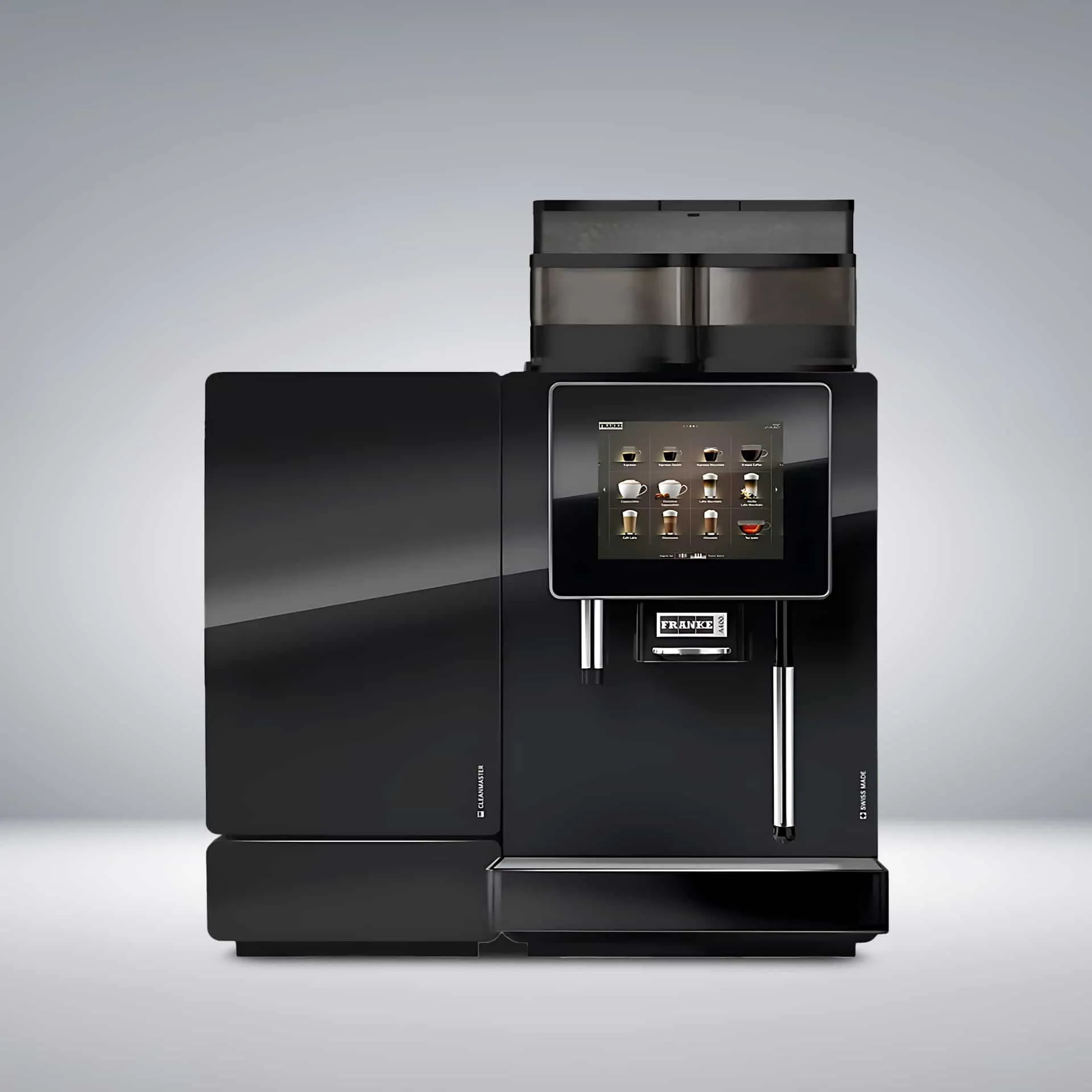
 FRANKE A400
 FRANKE A600
 FRANKE A800
 Gaggia Milano LA BRILLANTE
 Gaggia Milano LA RADIOSA
 Gaggia Milano LA SOLARE
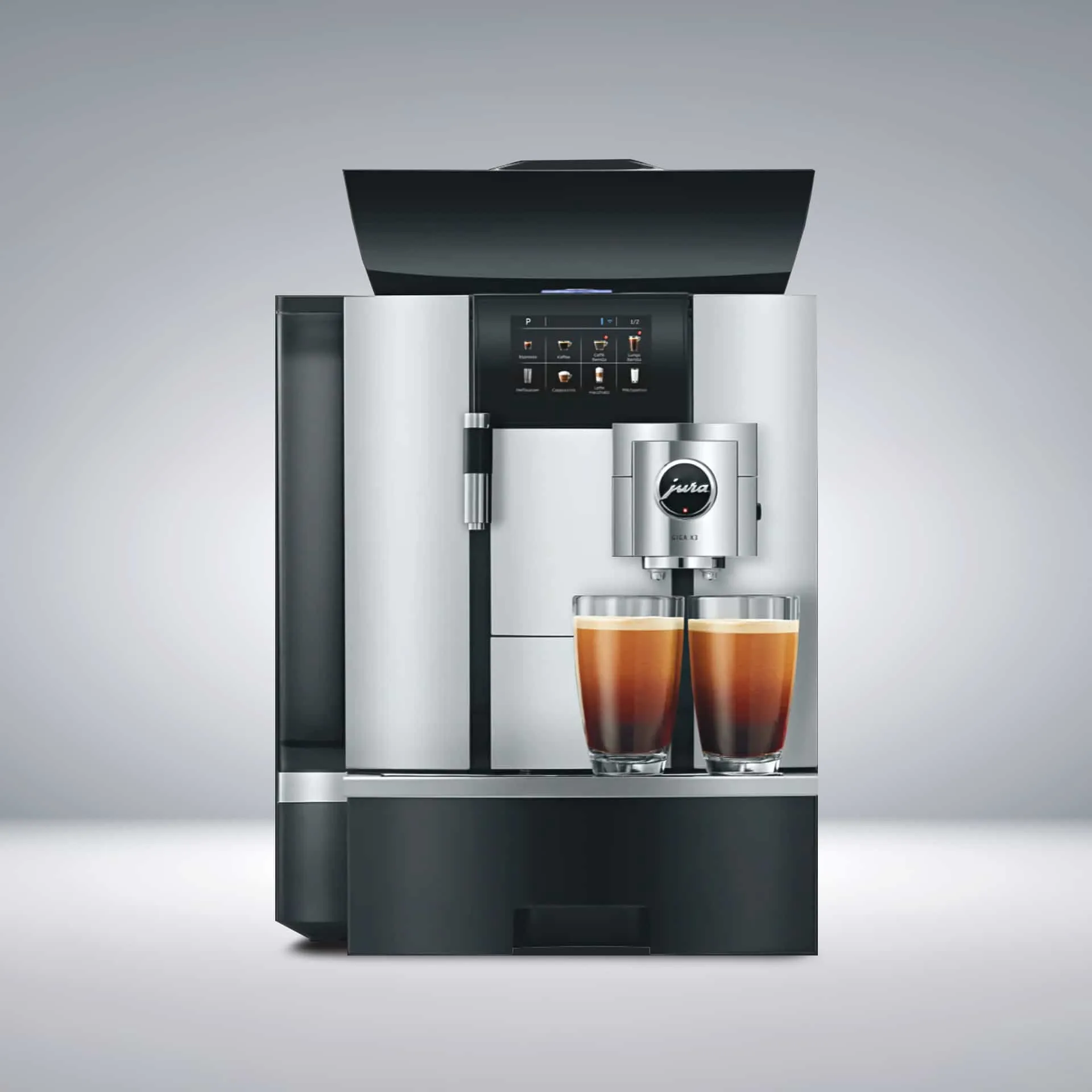
 Jura GIGA X3 GEN II
 Jura GIGA X8 - GEN II
 Jura W8 - GEN II
 Jura X10
 NECTA KALEA PLUS
 Rex-Royal S1
Choosing Coffee Machines for Coworking Spaces
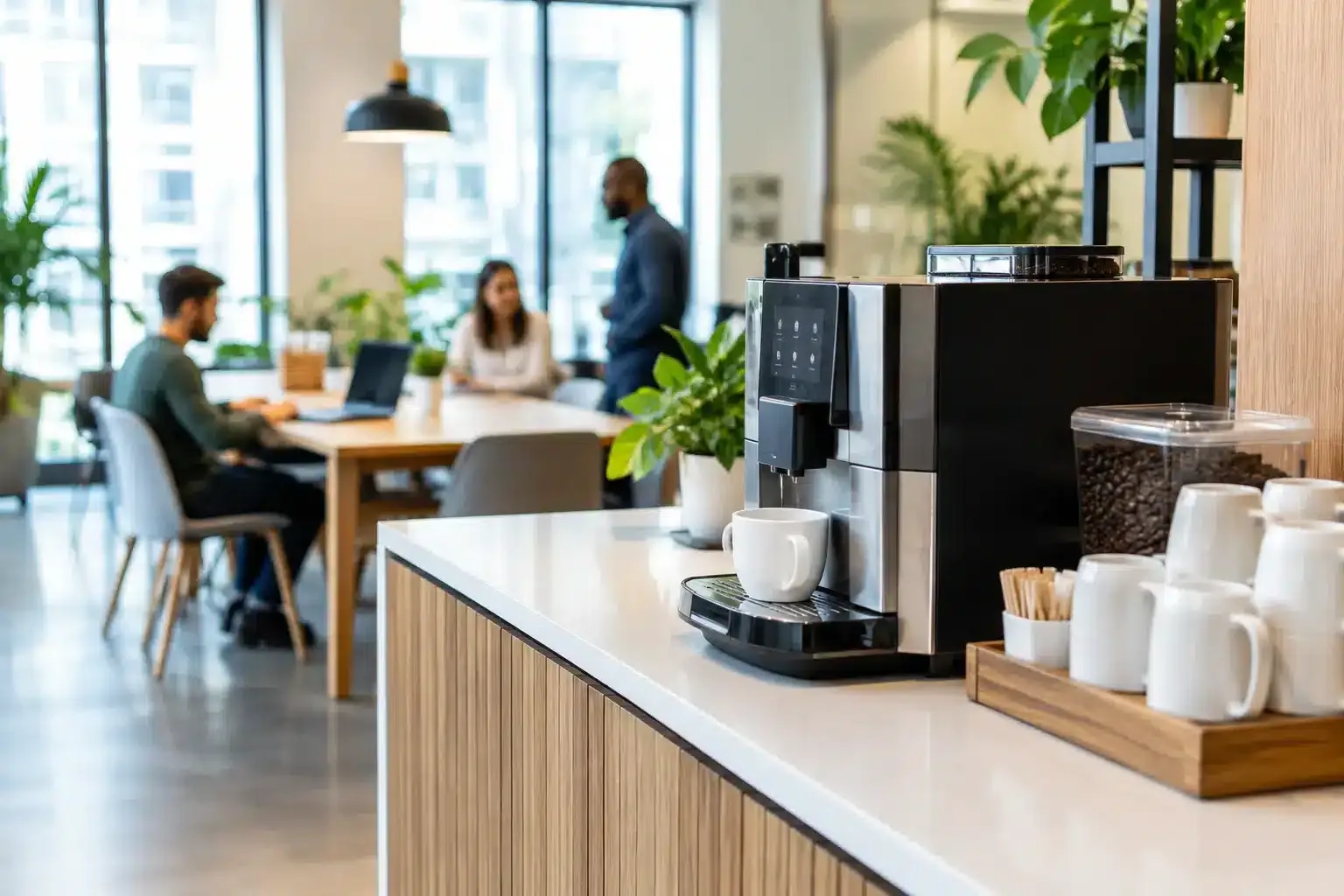
A queue at 9am tells you more about your coffee provision than any brochure. If members are waiting while a machine grinds through one drink at a time, the coffee point quickly becomes a frustration rather than a reason to renew. The best coffee machines for coworking spaces need to serve busy peaks, suit a broad range of tastes and remain simple for people who have never used the machine before.
For coworking operators, coffee is not a minor workplace extra. It is part of the member experience, a practical meeting-room hospitality offer and a visible reflection of how well the space is run. The right commercial machine makes quality coffee available without creating another daily job for the front-of-house or facilities team.
Why coffee matters in a coworking environment
Members may choose a coworking space for its location, meeting rooms or community, but the everyday details shape whether they feel looked after. Good coffee gives people a reason to pause, talk and return to the shared areas between calls. For visiting clients, it also helps your space feel considered from the moment they arrive.
There is a commercial point, too. A well-managed coffee offer can support premium desk packages, meeting room bookings and day passes. It can be included as a member benefit, supplied on a pay-per-cup basis or used as a simple hospitality feature for guests. The best approach depends on your membership model, but poor reliability is costly in every version.
A domestic machine may look economical at first, yet it is rarely designed for repeated back-to-back drinks, frequent milk orders or the demands of multiple users. Commercial bean-to-cup machines are built around higher output, easier cleaning routines and drink consistency. That means less intervention for your team and a better result in the cup.
Choosing coffee machines for coworking spaces
Start with how the space operates rather than a favourite drink menu. A 20-desk studio with mostly regular members has very different needs from a multi-floor site with hot desking, event hire and a busy reception area.
The key is to assess the expected cups per day, but also when those cups are made. A machine serving 80 drinks across a quiet day can be modestly specified. One serving 80 drinks between 8.30am and 10.00am needs faster delivery, greater ingredient capacity and enough waste capacity to avoid staff emptying trays during the rush.
Estimate daily volume, then allow for growth
Use actual occupancy and visitor numbers where possible. As a broad starting point, many members drink two to three hot drinks during a working day, while meeting room users and guests can create sharp bursts of demand. Do not assume everyone will use the machine, but avoid selecting purely for today’s lowest usage either.
A growing coworking business benefits from headroom. If you are adding desks, opening more meeting rooms or planning events, a machine that is already near capacity will soon become a false economy. Selecting a model with a stronger output can reduce queues and protect the experience as membership increases.
Cup volume is only one measure. Consider bean hopper size, fresh milk capacity, used-coffee grounds capacity and whether the unit needs refilling or emptying during service. These operational details decide whether a machine feels dependable on a busy Tuesday morning.
Match the milk system to your menu and team
Milk-based drinks are often the deciding factor. Cappuccinos, flat whites and lattes may account for a significant share of orders, particularly in member-facing spaces where coffee is part of the appeal.
Fresh milk systems deliver the café-style texture many users expect, making them a strong fit for premium lounges, serviced offices and spaces that want to make an impression on clients. They do require regular cleaning and sensible milk handling, so someone must own that routine. With the right machine and service plan, it is a straightforward process, but it should not be overlooked.
Powdered milk machines can be a practical choice where simplicity, long unattended periods or lower staffing levels matter most. They are often easier to manage and can produce a consistent range of milk drinks, although they may not offer the same finish as fresh milk. There is no universal winner: the right choice depends on the standard you want to provide and the time available to maintain it.
Decide between a plumbed-in or tank-fed machine
A mains-water connection is usually the sensible option for high-use communal areas. It removes the need to top up a water tank, helps prevent interruptions during peak periods and can support a more polished self-service experience. It does, however, require a suitable water supply and a proper assessment of the proposed location.
Tank-fed machines offer useful flexibility. They work well in smaller spaces, temporary locations, breakout areas without plumbing or sites where installation work is not practical. The trade-off is simple: somebody needs to monitor and refill the tank. For a low- to medium-volume machine, this may be perfectly manageable. For a busy central coffee point, it can quickly become an avoidable task.
Build the coffee point around real member behaviour
Machine specification matters, but placement matters almost as much. A coffee point beside the entrance may be convenient for visitors but can create congestion. A machine tucked away in a quiet corner may reduce noise, yet it can miss the opportunity to bring members together.
Look at circulation routes, nearby seating, power, water and drainage requirements, plus room for beans, milk and cleaning supplies. Consider acoustics as well. Bean grinders create noise, which is rarely a problem in a sociable kitchen but may be unwelcome beside focus desks or private call booths.
A clear, well-stocked station encourages users to look after the space. Provide cups or suitable reusable alternatives, lids where required, sugar and sweeteners, stirrers, napkins and a clearly marked waste point. Simple instructions are useful for guests, particularly where the machine offers several drink settings. They should reassure users, not turn a coffee into a training exercise.
If you plan to charge for drinks, think carefully about payment. A built-in payment solution can work well for public-facing areas, day-pass users or an open café-style offer. For member-only spaces, complimentary coffee may be easier to administer and more valuable as part of the overall package. Some operators choose a hybrid model, offering standard drinks to members while charging for premium options. The right model should fit your proposition rather than complicate it.
Reliability is part of the specification
The machine is only one part of a reliable coffee service. Beans, cleaning products, water filtration, staff guidance and maintenance all affect performance and cup quality. A premium machine paired with unsuitable beans or inconsistent cleaning will not deliver the result members expect.
Coffee bean supply should be predictable, with blends selected for the drinks being served and the preferences of your audience. A balanced, approachable bean often suits a shared workplace better than an intensely dark or highly unusual roast. The aim is broad appeal and dependable quality across espresso, americanos and milk-based drinks.
Cleaning also needs a realistic plan. Most commercial machines guide users through daily rinsing and cleaning cycles, while milk systems need particular attention. Assign responsibility to a named person or shift team, and make sure cover is in place for holidays and busy periods. A maintenance plan can provide additional confidence by helping to minimise downtime and deal with faults promptly.
This is where a consultative supplier adds value. At Full House Coffee, machine recommendations are based on practical details such as team size, cup volume, available space, budget and the level of support required. That avoids the common mistake of buying on appearance alone, then finding the machine cannot keep up with demand.
Rent, lease or purchase: choose the model that protects cash flow
Coworking operators often need flexibility as occupancy changes. Renting a commercial coffee machine can keep upfront costs lower and make it easier to adjust the specification as a site grows or requirements change. It can be particularly useful for new locations, where actual drink demand may differ from forecasts.
Leasing can spread the cost over an agreed period, while purchasing may suit established operators who want to own the equipment and have a clear long-term requirement. None is automatically the best option. Compare the total cost, service cover, machine replacement arrangements and the freedom to upgrade or downgrade before deciding.
Avoid treating the machine price as the full budget. Factor in installation, water filtration, coffee beans, milk, cleaning materials, maintenance and any payment system. A clear monthly view of these costs makes it easier to price member packages and assess the return from meeting-room hospitality or paid drinks.
Ask for a site assessment before you commit
A short site assessment can prevent expensive surprises. It should confirm water and power access, counter dimensions, ventilation around the machine, drainage where needed, delivery access and the daily routines required to keep the machine running well. It is also the right time to discuss whether one central machine is enough or whether smaller machines would serve separate floors or areas better.
The best coffee setup does not need to be the largest or most complicated one. It needs to make good drinks at the pace your members expect, fit the way your team works and give you room to grow. Get those foundations right, and the coffee point becomes one of the quiet reasons people choose to stay a little longer.