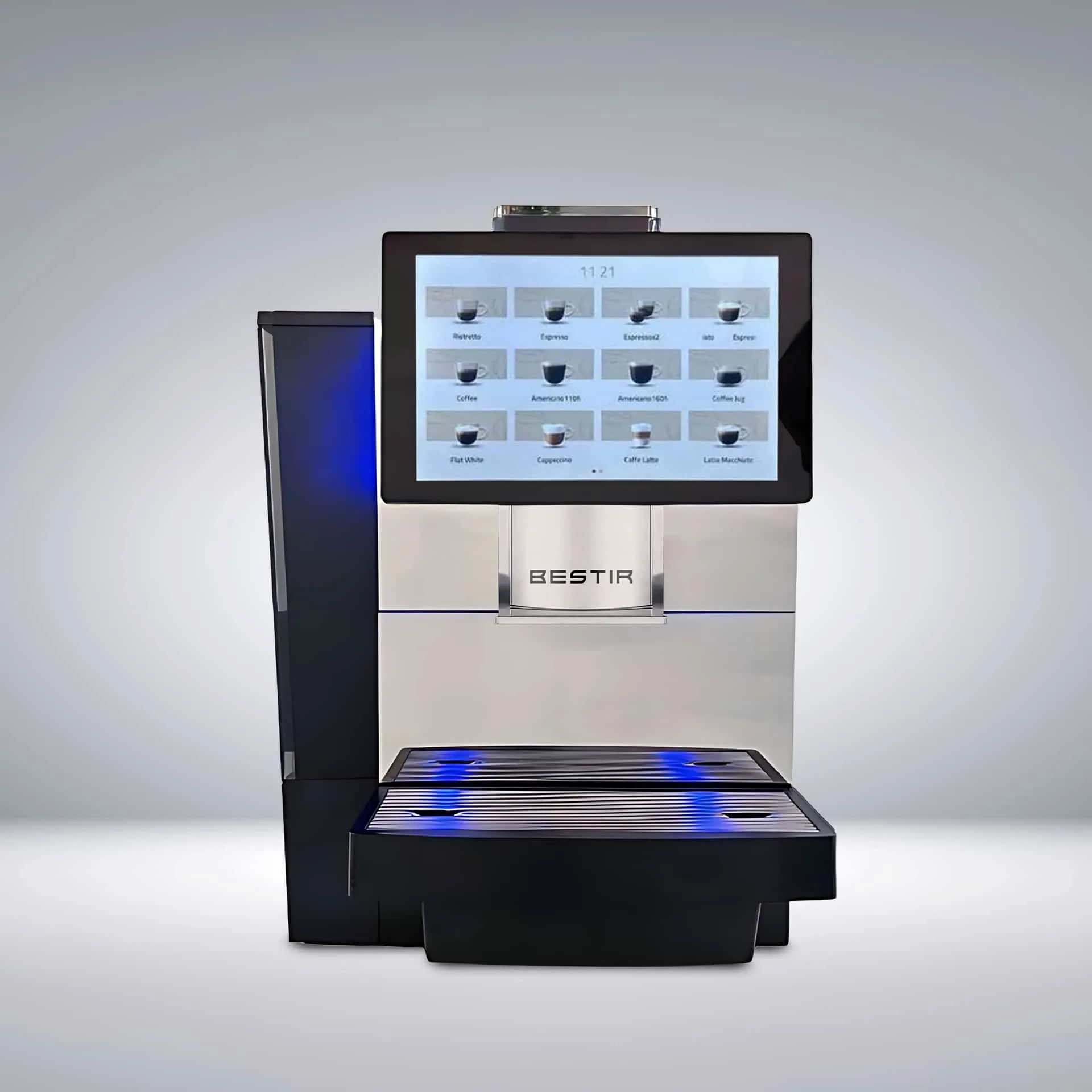
 BESTIR BM50
 BESTIR BM80
 BESTIR BMC300
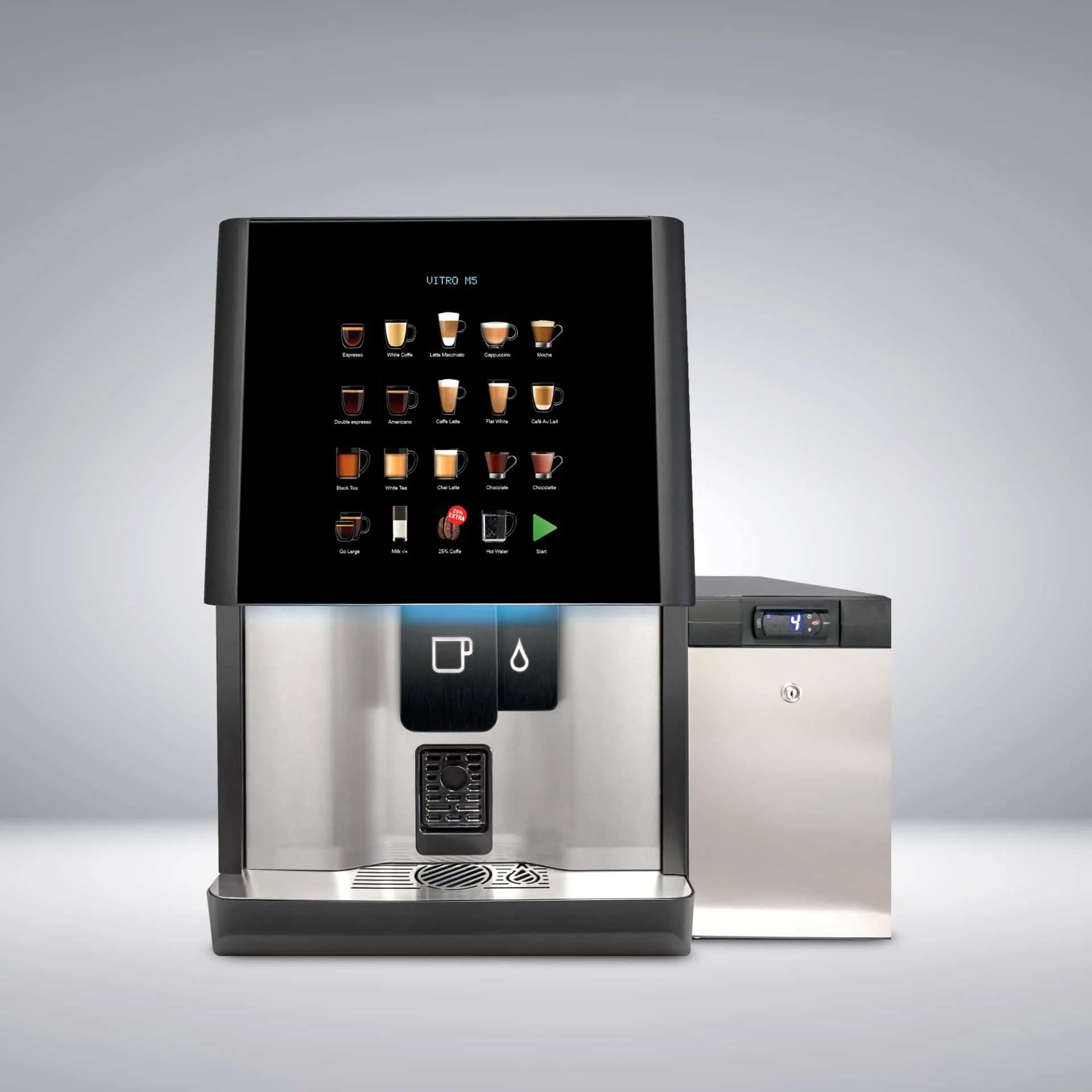
 Coffetek Vitro M5 MIA
 Coffetek Vitro S1
 Coffetek Vitro S1 MIA
 Coffetek Vitro X1 MIA
 Coffetek Vitro X3
 Primio Coffee Beans
 Espresso Coffee Beans
 Ultimo Coffee Beans
 Vero Coffee Beans
 Coffetek Vitro X4 ESP
 FRANKE A300 FM
 FRANKE A400
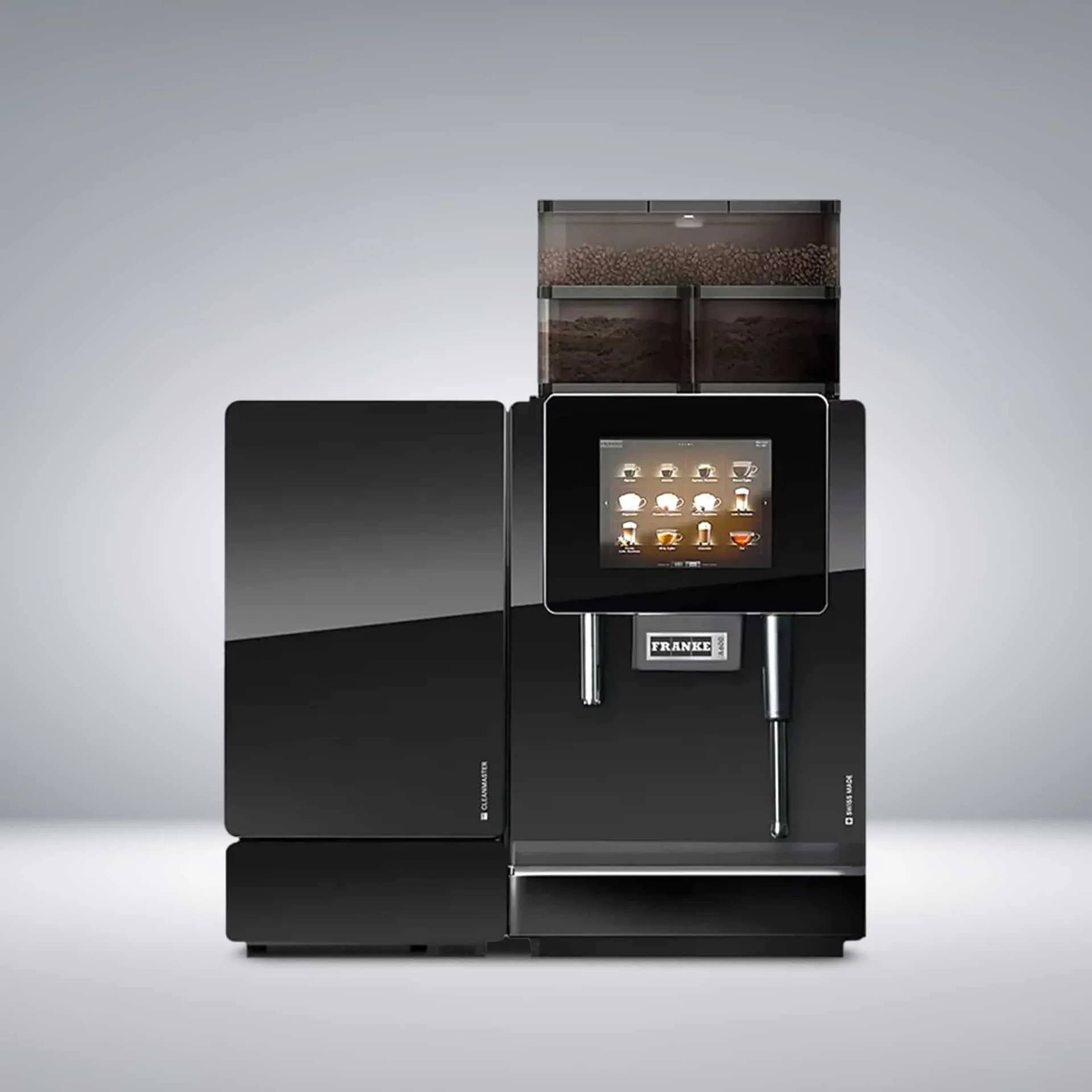
 FRANKE A600
 FRANKE A800
 Gaggia Milano LA BRILLANTE
 Gaggia Milano LA RADIOSA
 Gaggia Milano LA SOLARE
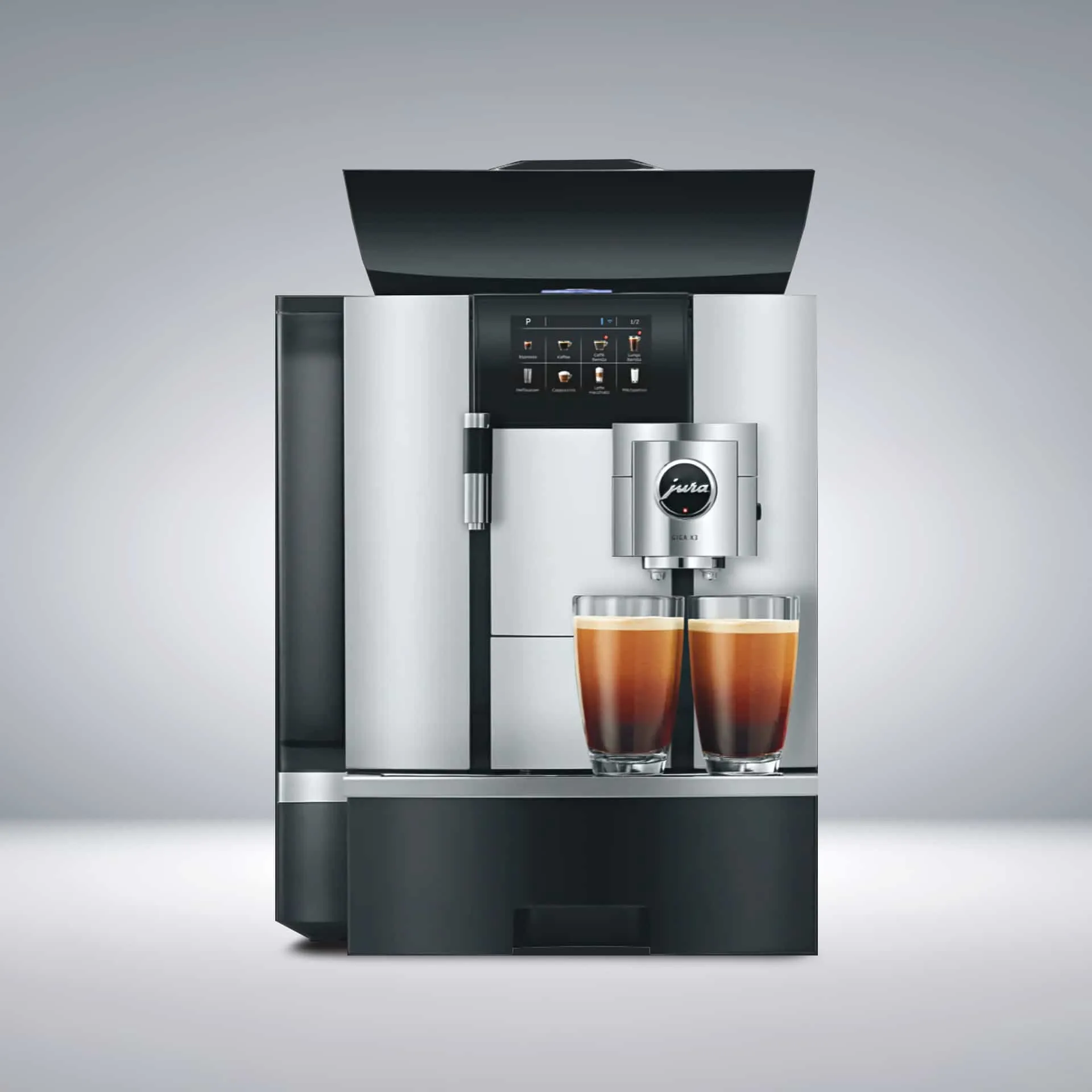
 Jura GIGA X3 GEN II
 Jura GIGA X8 - GEN II
 Jura W8 - GEN II
 Jura X10
 NECTA KALEA PLUS
 Rex-Royal S1
Coffee Equipment for a Better Workplace Brew
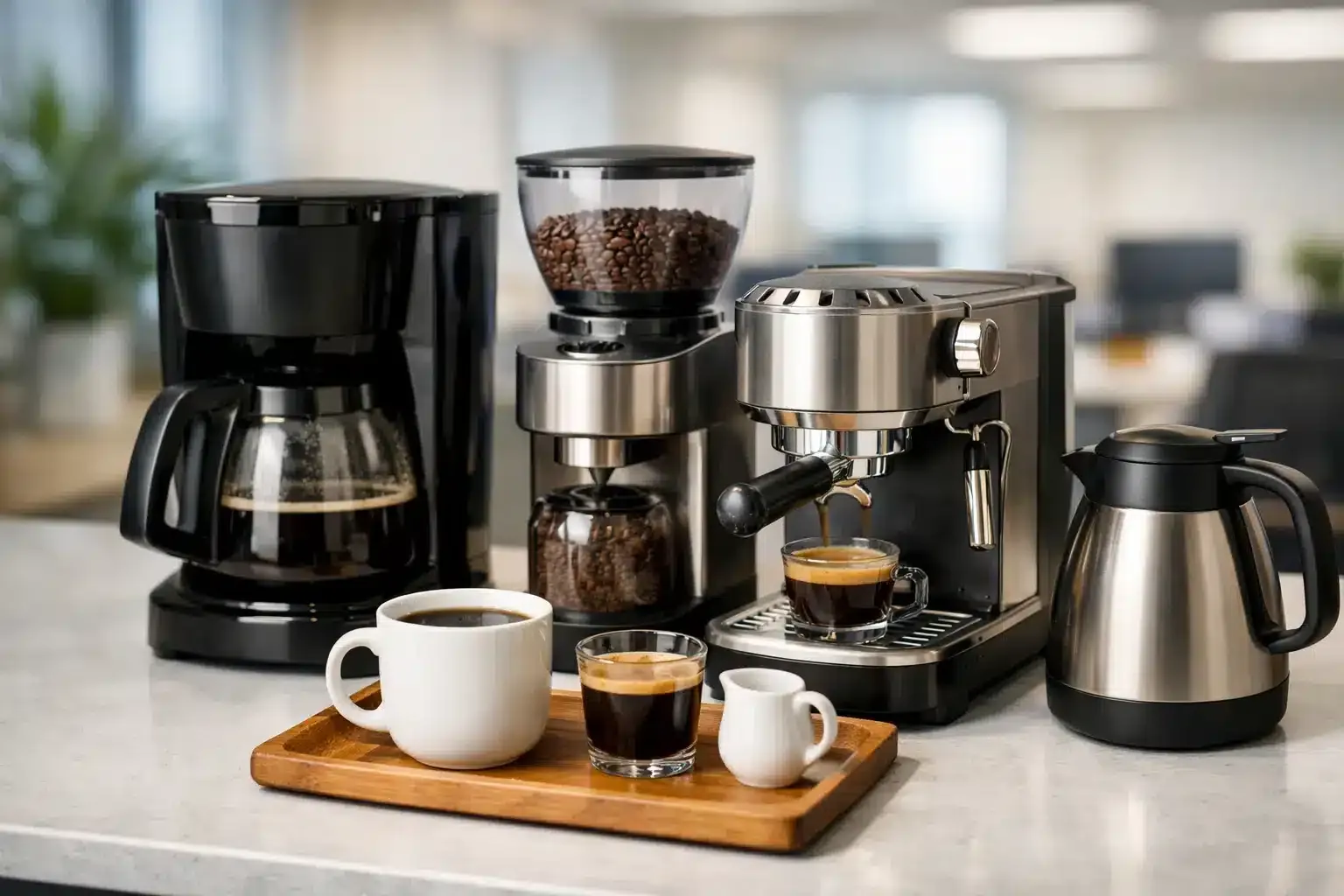
The coffee machine is often the busiest piece of equipment in a workplace kitchen. At 8:45am, it needs to handle a queue without creating one. At 2pm, it needs to give people a reason to step away from their screens. And when clients arrive, it needs to produce a coffee that reflects well on your business.
That is why choosing commercial coffee equipment is not simply a question of finding a smart-looking machine. The right setup depends on how many drinks you serve, who is using it, the space available and how much day-to-day involvement your team can realistically take on. Get those details right and great coffee becomes a dependable part of the working day. Get them wrong and even an expensive machine can become a source of frustration.
Start With Demand, Not the Machine
The most useful first question is not, “Which coffee machine do we like?” It is, “What will this machine need to do every day?” A small office with 15 regular coffee drinkers has very different requirements from a hotel breakfast area, busy showroom or café counter.
Daily cup volume is the starting point. Estimate the number of coffees served on an average day, then allow headroom for busy days, meetings and visitors. A machine consistently working at the top end of its capacity is more likely to slow down, require frequent refilling and experience avoidable wear. Choosing equipment with sensible capacity gives staff and guests a better experience from the outset.
It is also worth considering peak demand. An office may serve 80 drinks over a full day but see 25 of those made between 8:30am and 9:30am. In that setting, drink speed, bean hopper capacity and the ability to make consecutive milk drinks matter more than a headline cups-per-day figure alone.
Coffee Equipment That Fits the Space
Commercial coffee equipment must work with the practical realities of the site. Before selecting a machine, assess the available counter space, access to power, ventilation, water and drainage, plus the room required for beans, milk and cleaning products.
A compact tank-fed machine can be an excellent choice where plumbing is unavailable or where the coffee point may need to move. It offers flexibility and can often be installed with minimal disruption. The trade-off is that someone needs to refill the water tank and empty the waste container regularly. For smaller teams, that may be perfectly manageable. For high-volume sites, it can quickly become an unnecessary task.
A plumbed-in machine is generally better suited to workplaces with sustained demand. A direct water connection reduces interruptions, supports higher drink volumes and helps maintain a smoother service during busy periods. If a machine is positioned in a customer-facing area, it can also create a cleaner, more professional coffee station with fewer visible refill routines.
Do not overlook the surrounding area. A premium machine loses some of its appeal if staff have nowhere to place cups, stirrers, milk or used crockery. A well-planned coffee point should make the next step obvious, from selecting a drink to disposing of grounds and cleaning up afterwards.
Fresh Milk or Powdered Milk?
Milk choice shapes both drink quality and daily maintenance. Fresh milk systems are popular in offices, hotels and hospitality spaces because they produce a more authentic cappuccino, latte and flat white. For businesses where coffee is part of the welcome, fresh milk is usually the stronger choice.
However, fresh milk requires refrigeration and a reliable cleaning routine. Milk lines need to be cleaned properly and consistently, particularly in sites with long opening hours or multiple users. A machine with automatic rinsing and guided cleaning prompts can make this much easier, but it does not remove the need for accountability.
Powdered milk systems are more convenient in some environments. They can suit locations where simplicity, long operating hours or lower maintenance input takes priority over the experience of fresh milk. The choice is not about one being universally better. It is about deciding whether your business values premium milk-based drinks, maximum convenience or a balance of the two.
Choose Drinks Your People Will Actually Order
A long menu is not automatically a better menu. In most workplaces, a dependable range of espresso, americano, cappuccino, latte, flat white and hot chocolate will cover the majority of demand. The aim is to provide familiar, good-quality drinks quickly, not to recreate a specialist coffee bar where every order needs attention.
Bean-to-cup machines are a strong fit for many professional settings because they grind fresh beans for each drink and automate extraction, milk preparation and cleaning prompts. They deliver consistency without requiring a trained barista, which is especially useful in shared offices and reception areas.
Traditional espresso machines can produce excellent results, but they need skilled staff, a suitable grinder and time at the coffee station. They are often the right choice for cafés, restaurants and hospitality teams where coffee preparation is part of the service. In a self-service office kitchen, they may introduce more complexity than value.
Think about your users, too. A touchscreen with clear drink icons may be ideal for a client lounge or large workplace. A simpler button-led machine can be more practical in a warehouse office, staff room or location where speed matters most. The best interface is the one people can use confidently without instructions taped to the wall.
The Ongoing Work Matters as Much as the Machine
A commercial coffee machine is not a fit-and-forget purchase. Beans need replenishing, milk systems need cleaning, filters need replacing and occasional technical issues need resolving. These are normal parts of running a quality coffee service, but they should be planned rather than left to the person who happens to notice first.
Ask clear questions about maintenance before committing to any equipment. Who provides installation? Is staff training included? What happens if the machine develops a fault? Are planned service visits available? What is the expected response time when coffee service is down?
For many businesses, an optional maintenance plan is valuable because it turns an unpredictable repair cost into a manageable operational arrangement. It also helps protect the machine and maintain drink quality over time. In high-traffic sites, that support can be the difference between a minor interruption and a long queue forming around the kettle.
Coffee bean supply deserves the same attention. A good machine cannot compensate for stale or unsuitable beans. Choose a coffee that matches your audience and keep supply regular enough to avoid last-minute supermarket runs. For most workplaces, consistency matters more than constantly changing the blend. People build their daily routine around coffee they know they enjoy.
Rent, Lease or Buy?
The right way to acquire coffee equipment depends on budget, expected usage and how likely your needs are to change. Buying may suit established businesses that know exactly what capacity and features they need. It gives you ownership from day one, although servicing, repairs and future replacement remain your responsibility unless separately arranged.
Leasing can spread the cost of premium equipment over an agreed period, making it easier to budget for a higher-capacity or more feature-rich machine. Rental offers another route for businesses that want flexibility, particularly where headcount, premises or demand may change. It can be useful for temporary sites, growing teams or organisations that prefer a more adaptable arrangement.
The lowest monthly figure is not always the best value. Compare what is included: installation, water filtration, training, bean supply, maintenance, call-outs and replacement options all affect the real cost and the amount of work left for your team.
At Full House Coffee, the starting point is a practical conversation about your site, drink volume, budget and coffee expectations. No pressure, just expert advice on building a setup that works in the real world.
A Better Coffee Point Starts With a Site Assessment
A site assessment is the quickest way to avoid expensive assumptions. It confirms whether a plumbed-in machine is possible, checks available power and counter space, identifies likely demand and helps determine whether fresh milk is appropriate. It also creates an opportunity to think about placement: staff-only kitchen, reception, breakout space, meeting suite or customer area.
The best location is not always the most obvious one. A machine hidden at the far end of a building may reduce queues but discourage use. A machine directly beside a reception desk may create noise at the wrong moments. Consider footfall, cleaning access, nearby seating and whether the coffee point should encourage informal conversations or simply provide a quick, efficient drink.
Good coffee equipment should make workdays easier, not add another task to the facilities list. Begin with how your people and visitors use the space, allow for demand to grow, and choose support that keeps the coffee flowing long after installation day.