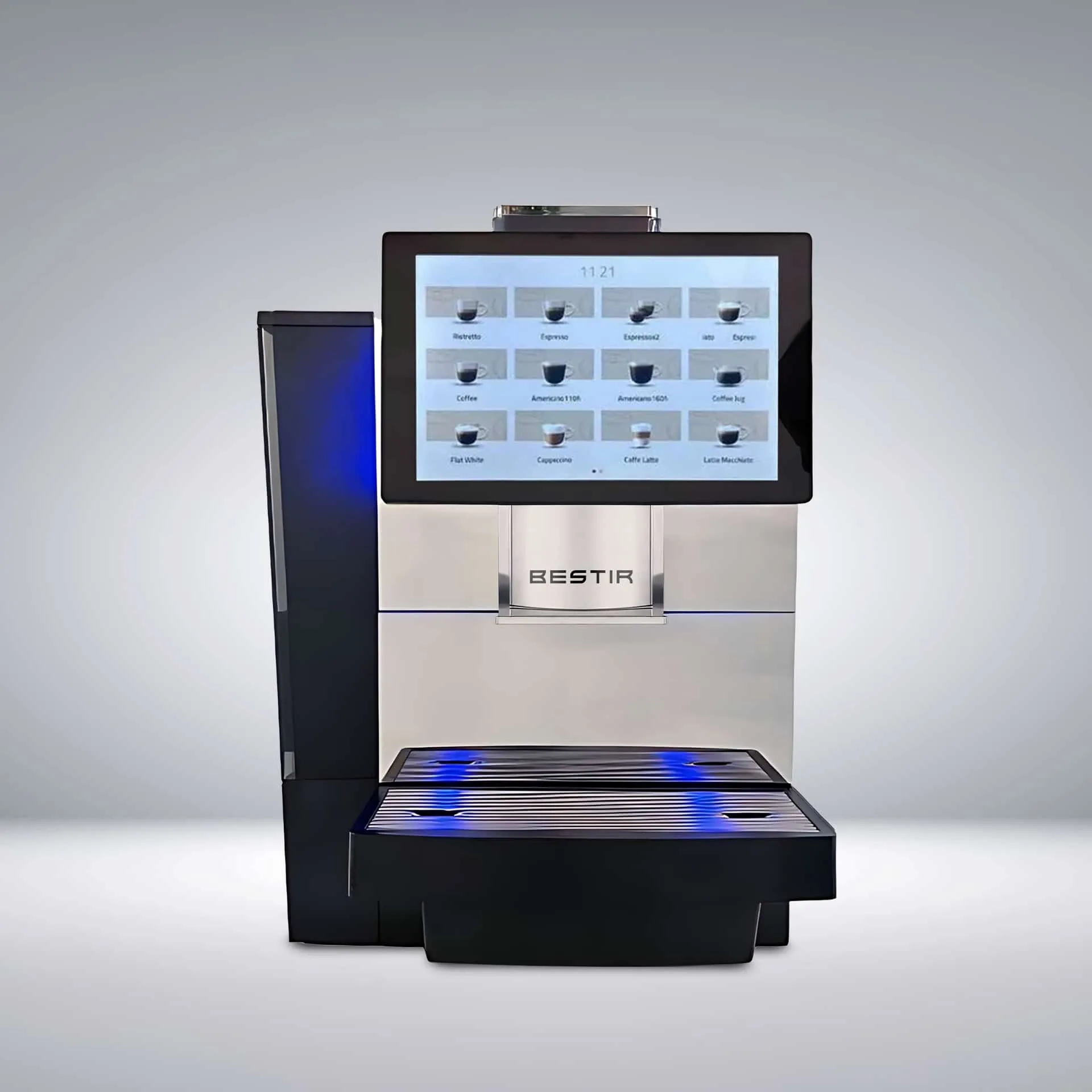
 BESTIR BM50
 BESTIR BM80
 BESTIR BMC300
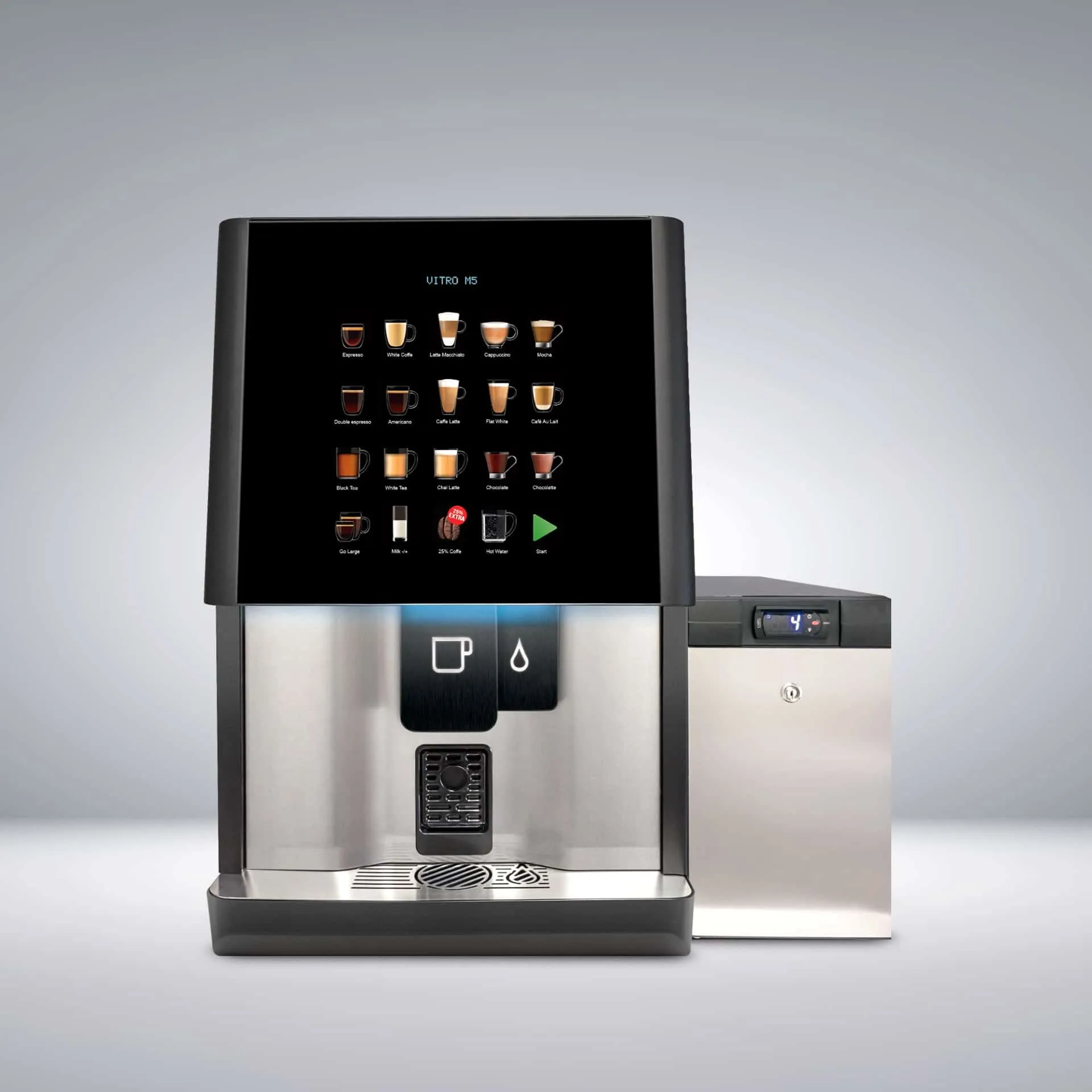
 Coffetek Vitro M5 MIA
 Coffetek Vitro S1
 Coffetek Vitro S1 MIA
 Coffetek Vitro X1 MIA
 Coffetek Vitro X3
 Primio Coffee Beans
 Espresso Coffee Beans
 Ultimo Coffee Beans
 Vero Coffee Beans
 Coffetek Vitro X4 ESP
 FRANKE A300 FM
 FRANKE A400
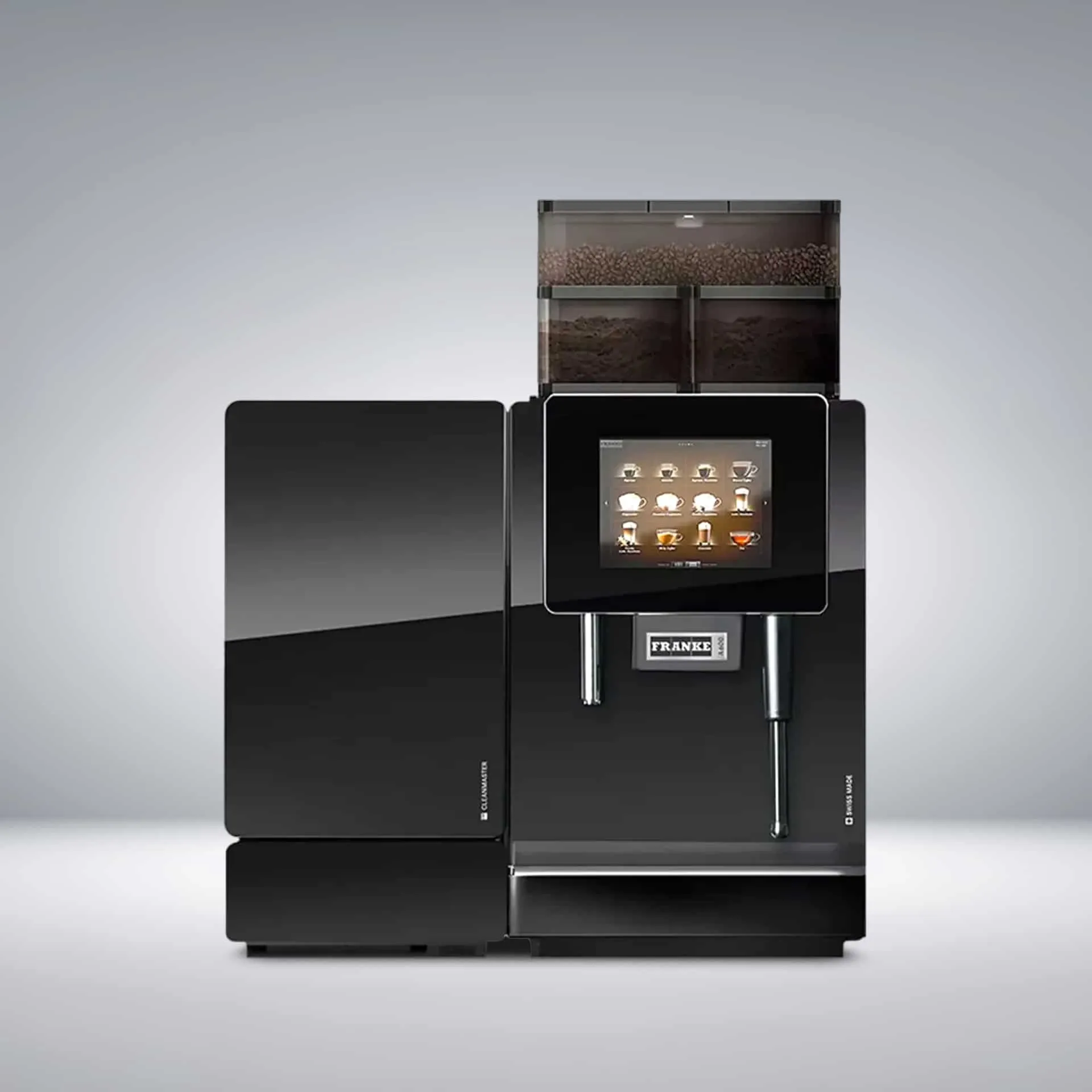
 FRANKE A600
 FRANKE A800
 Gaggia Milano LA BRILLANTE
 Gaggia Milano LA RADIOSA
 Gaggia Milano LA SOLARE
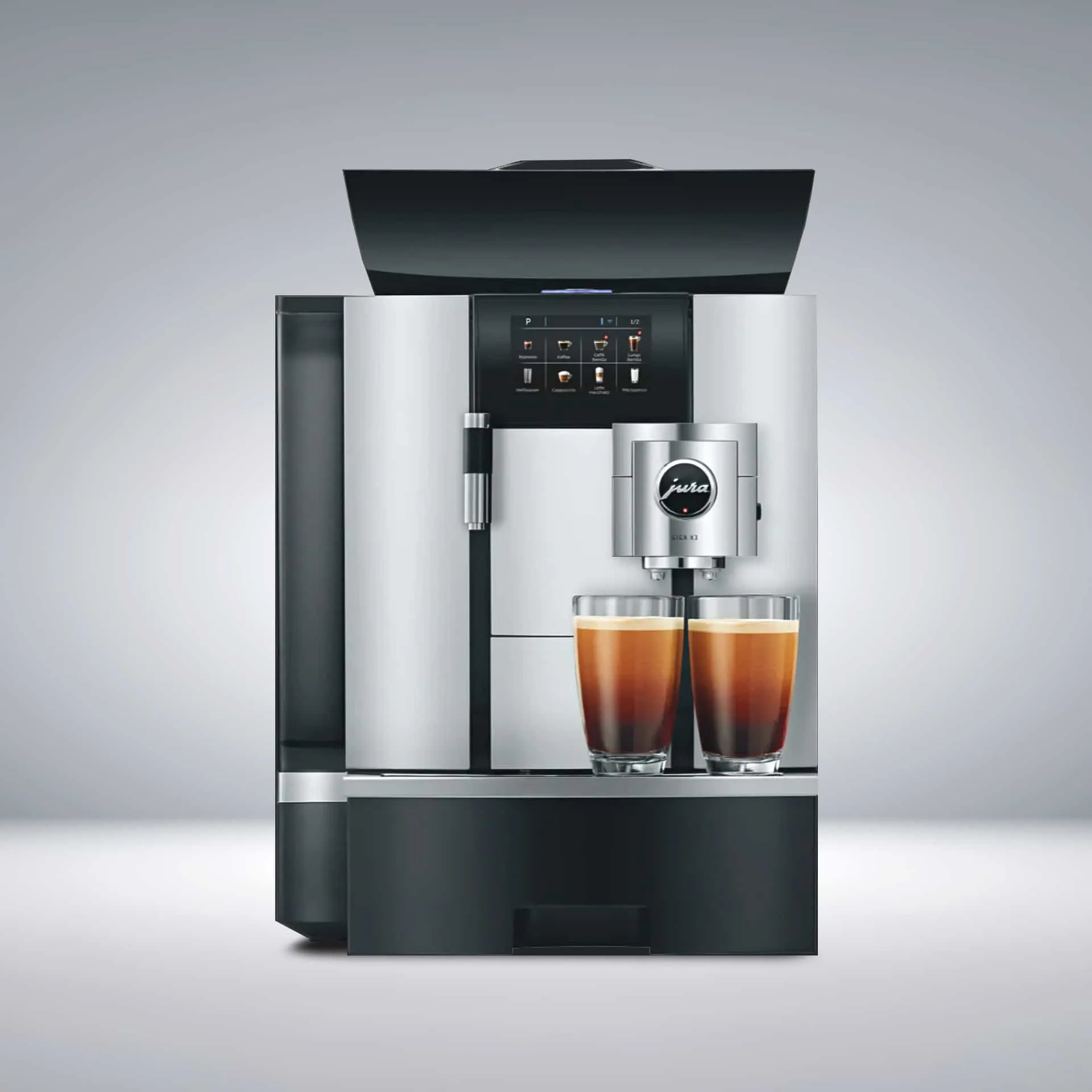
 Jura GIGA X3 GEN II
 Jura GIGA X8 - GEN II
 Jura W8 - GEN II
 Jura X10
 NECTA KALEA PLUS
 Rex-Royal S1
Workplace Coffee Machine Installation Guide
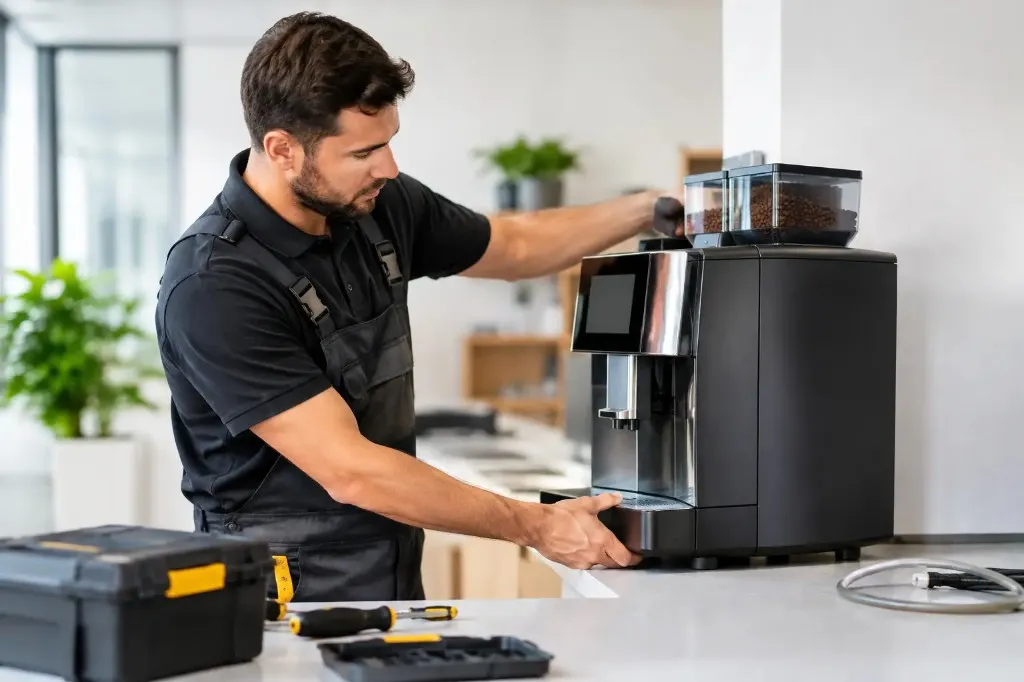
The first Monday after a new coffee machine arrives is not the time to discover there is no nearby water supply, the socket cannot support the load, or the machine blocks a busy kitchenette route. A good workplace coffee machine installation guide starts well before delivery day. It turns a premium staff or guest benefit into a dependable daily service, rather than another facilities issue waiting to happen.
For offices, hotels, showrooms and customer-facing businesses, installation should reflect how people actually use the space. The right setup protects the machine, keeps queues moving and gives every cup the consistency your team expects.
Workplace coffee machine installation guide: start with the site
The best installation decisions are made from real site information, not a product photo and a rough measurement. Before selecting a machine, establish how many coffees you expect to serve on a typical day, where demand peaks, who will use it and whether drinks need to include fresh milk options.
A 30-person office may only need a compact bean-to-cup machine if most people work remotely. A showroom with frequent visitors may require a higher-capacity model even with a smaller permanent team. Hotels and hospitality venues need to consider breakfast peaks, when several drinks may be ordered in quick succession. Cup volume and peak demand are related, but they are not the same thing.
Measure the proposed location carefully. Allow for the machine footprint, clearance above it for filling beans and cleaning, room to remove waste containers, and space for users to place cups without leaning over colleagues. A machine can fit physically on a counter yet still be awkward to operate or service.
The location also needs to make commercial sense. Putting a premium coffee machine in a cramped back room may reduce noise at reception, but it may also discourage use and make daily care harder. A central breakout area often works well for employee experience. In a guest-facing setting, visibility, presentation and the ability to keep the area tidy carry more weight.
Think beyond the machine itself
The coffee machine is only part of the station. Plan for cups, lids if required, stirrers, sugar or sweeteners, cleaning materials and a nearby bin. Fresh milk machines may need a dedicated milk fridge or an integrated chilled unit, depending on the model.
Also consider the route from delivery point to final position. Door widths, lifts, stairs, tight corners and counter height can all affect installation. Raising these details early avoids unnecessary disruption on the day.
Power, water and drainage requirements
Most commercial bean-to-cup machines require a dedicated mains electrical supply. The exact requirement depends on the model, its boiler capacity and whether it produces fresh milk drinks. Check the manufacturer specification rather than assuming an existing kitchen socket is suitable.
Avoid extension leads and overloaded circuits. They create a poor long-term solution for equipment that will be used throughout the working day. A qualified electrician should assess the supply where there is any doubt, particularly in older buildings or busy hospitality environments with several appliances on the same circuit.
Water is the next major decision. Some machines operate from an internal tank, while others connect directly to the mains water supply. Neither is automatically better.
A tank-fed machine can be a practical choice where plumbing is unavailable, where the location may change, or where daily cup volume is modest. It does, however, rely on someone refilling it. If that task is missed during a busy period, coffee service stops.
A plumbed-in machine suits workplaces with higher or more consistent demand. It removes refilling from the daily routine and supports a smoother user experience. Installation may involve a water connection, isolation valve and filtration, so it needs proper planning. Water filtration matters in many UK areas because limescale can affect drink quality, reliability and machine lifespan.
Drainage requirements vary. Some commercial machines collect rinse water in an internal tray, while others can be connected to a waste outlet. A waste connection reduces emptying, which is useful for high-volume sites, but it may restrict where the machine can be positioned. The best option depends on expected usage, available services and how much daily attention the team can realistically give the station.
Choose a location that works at peak times
A coffee machine should improve the working day, not create a bottleneck. Observe how the area behaves at 8.30am, after lunch and when visitors arrive. If people need to squeeze past the machine to reach the fridge, sink or meeting rooms, queues will quickly become frustrating.
Allow enough counter space on both sides and keep the machine away from excessive heat, direct sunlight and areas prone to splashes. It should sit on a stable, level surface that can support its weight when full of beans, water and milk equipment. Do not place it beneath low cupboards if the hopper or ingredient containers cannot be opened fully.
Noise is worth considering too. Modern commercial machines are designed for professional settings, but grinding coffee and preparing milk drinks will never be silent. In open-plan offices, a breakout zone is usually more suitable than placing the machine beside focused workstations. In reception areas, choose a model and location that support the atmosphere you want visitors to experience.
Prepare for delivery and commissioning
Good commissioning is more than switching on the machine. Once installed, it should be checked for stable positioning, correct water flow where applicable, safe drainage, correct pressure and proper drink settings. The machine may also need to be calibrated for the coffee beans being used.
Bean choice affects the result in the cup. Grind settings, dose and recipe volumes should be set to produce balanced espresso, Americano and milk-based drinks without wasting coffee or creating unnecessary queues. This is why matching the machine, beans and expected drink menu is more useful than treating each purchase as a separate decision.
Before the installer leaves, make sure the responsible team member understands the essentials: how to switch the machine on and off, replenish beans and milk, empty grounds and drip trays, run cleaning programmes, and recognise simple prompts or warnings. This does not need to be complicated, but it should be clear.
For a larger workplace, nominate more than one person. Relying on one coffee champion can cause problems during holidays, sickness or staff changes. A short handover for facilities, reception or hospitality teams keeps the service consistent.
Build cleaning into the working routine
Even the best commercial coffee machine needs daily care. Fresh milk systems, in particular, require disciplined cleaning to protect drink quality and hygiene. If the cleaning process is too demanding for the available team, it may be wiser to choose a machine with automated rinse and cleaning features, or to review whether the intended location has suitable access to a sink and cleaning supplies.
Create a simple ownership routine. Daily tasks commonly include emptying waste, wiping external surfaces, checking beans and milk, and completing any prompted milk-system clean. Weekly and periodic tasks vary by model and water setup. Keep products and instructions close to the machine rather than in a locked cupboard at the other end of the building.
Maintenance planning also deserves attention before installation. Downtime affects staff satisfaction and, in guest-facing settings, can affect your brand. A rental, lease or purchase arrangement should be considered alongside support options, response expectations and whether your provider can adapt the setup as demand changes.
Plan for growth, not just today
A machine that is right for a 15-person team may struggle after a recruitment drive, office move or new client-facing service. Equally, paying for a large-capacity machine in a lightly used space can add unnecessary cost and cleaning effort.
This is where flexibility has real value. Consider whether you may need to increase cup capacity, add fresh milk capability, move from a tank to a plumbed-in arrangement, or change the finance model later. A site assessment can identify those likely pressure points before they become costly changes.
Full House Coffee takes this practical approach by matching machine capacity, milk format, water options and support around the way a business operates. No pressure, just expert advice that helps make installation straightforward from the first cup.
A well-installed workplace coffee machine quietly earns its place every day: colleagues get a better break, visitors receive a more professional welcome, and the person responsible for facilities has one less problem to solve. Give the setup the same care as the machine choice, and coffee can get on with its most useful job - turning “leave me alone” into “let’s get to work” since forever.