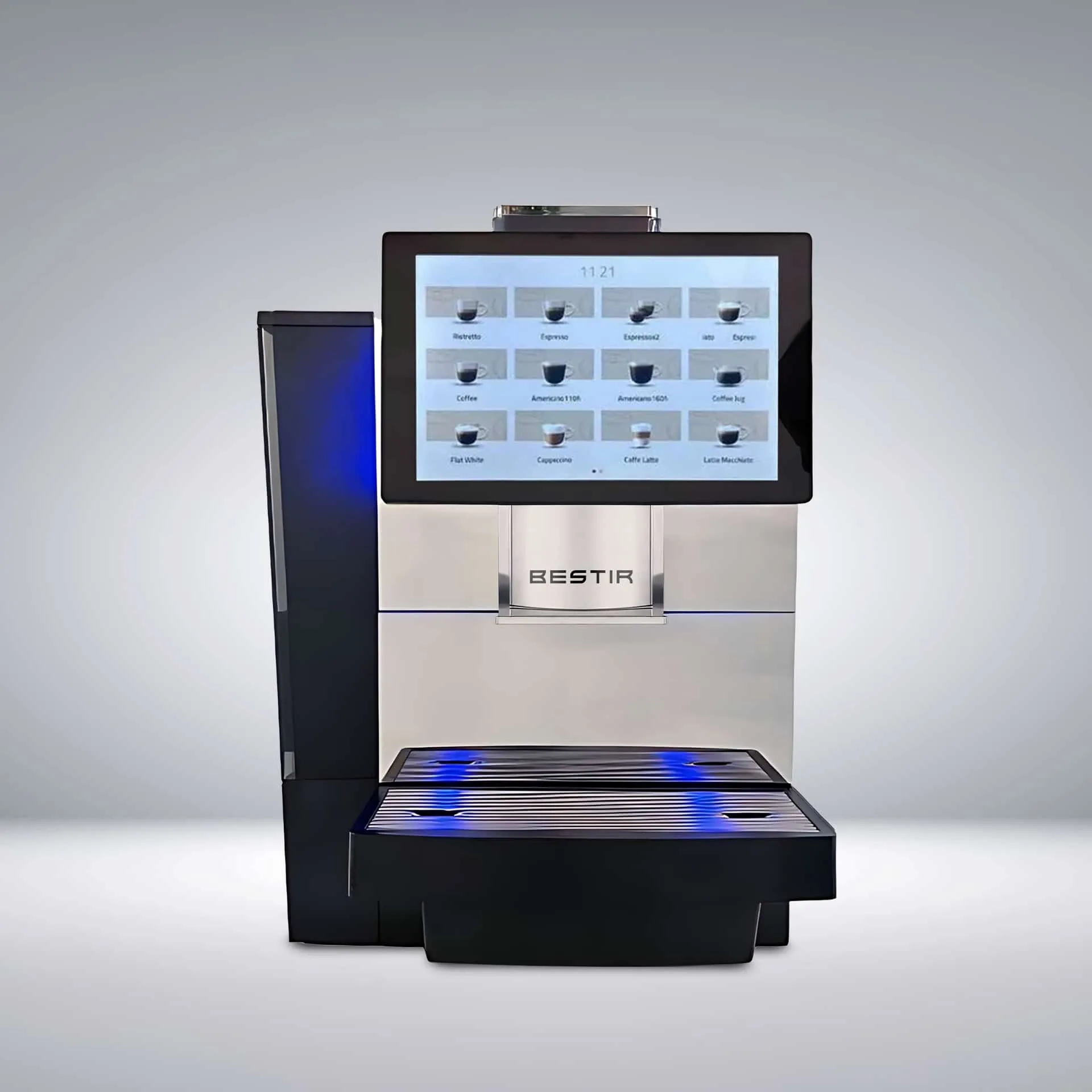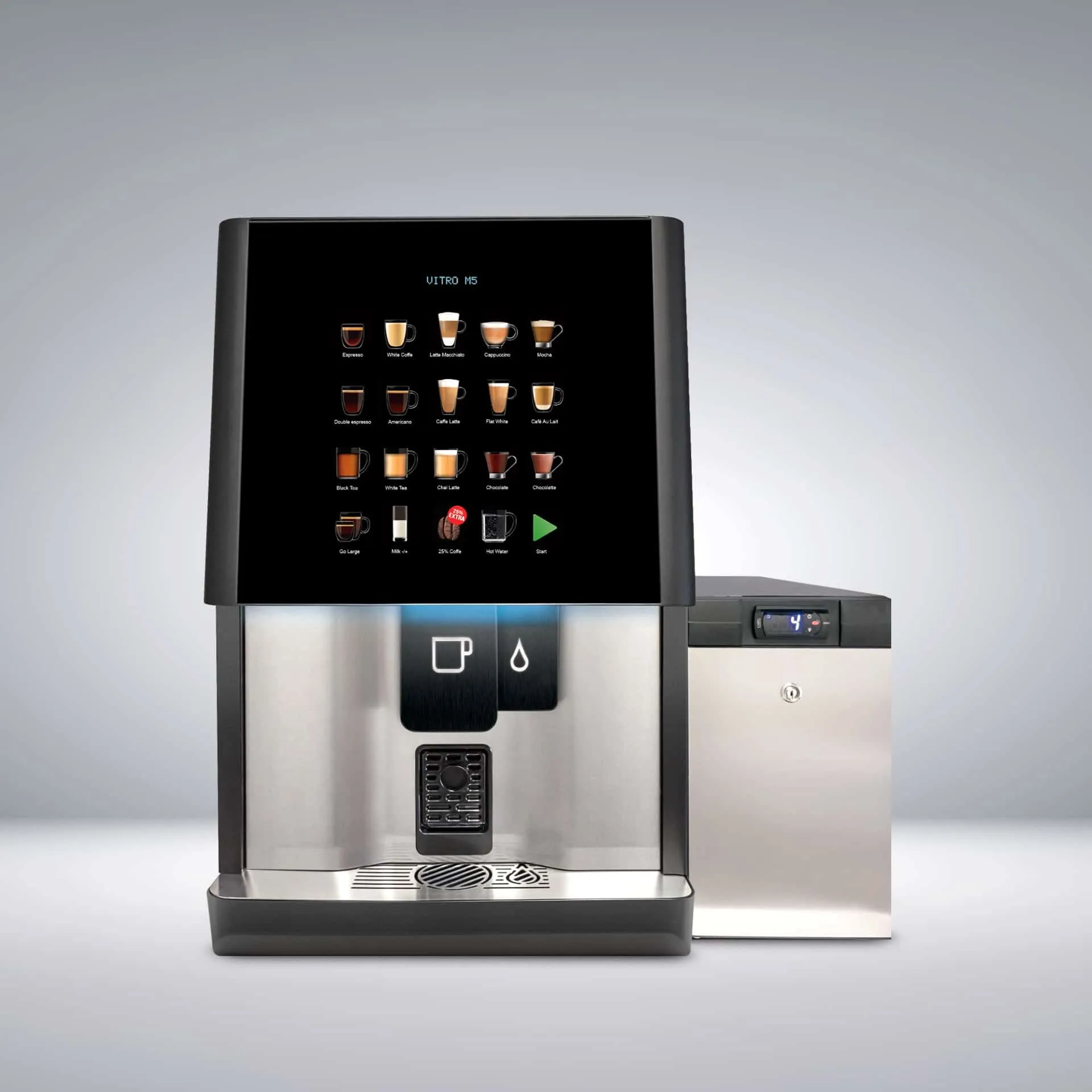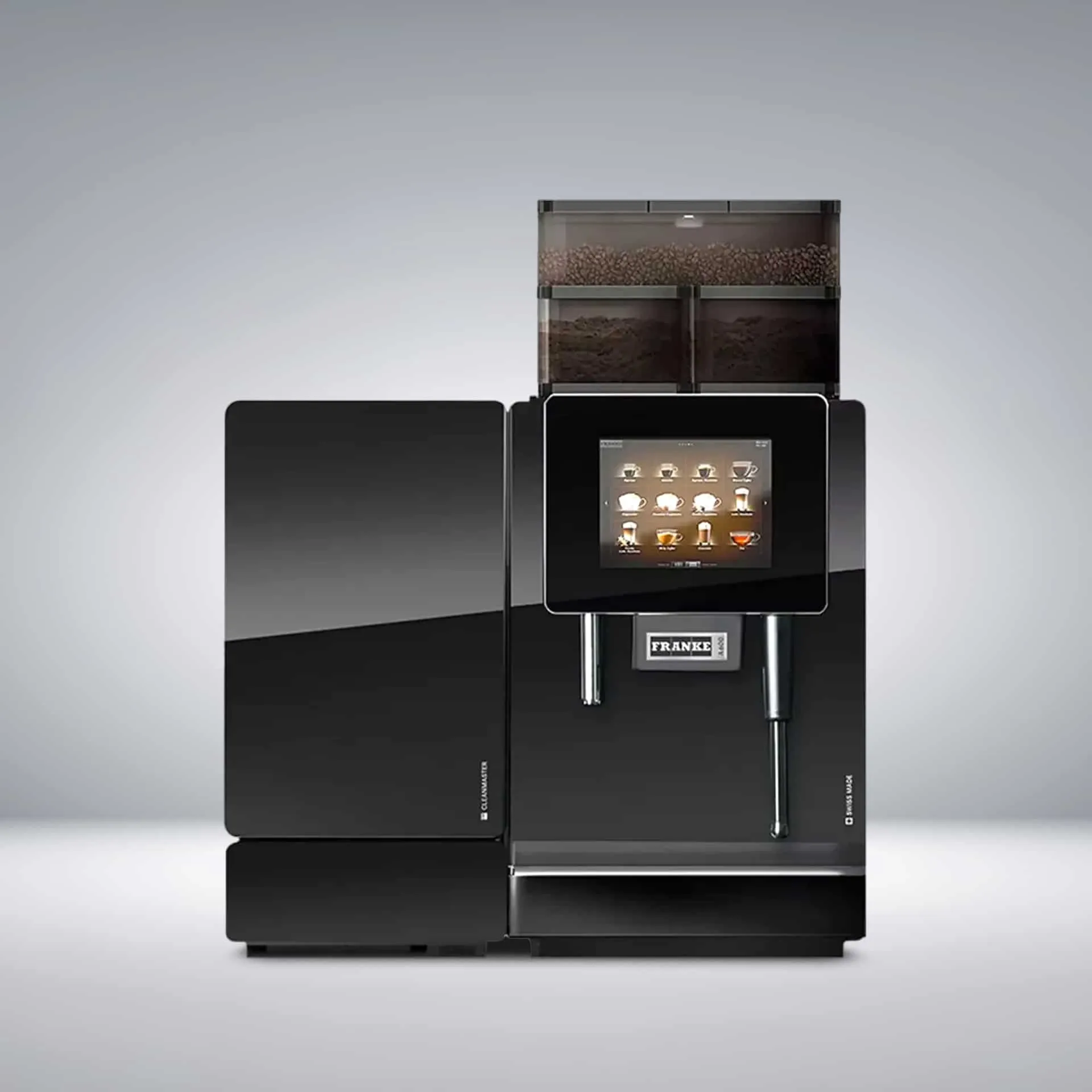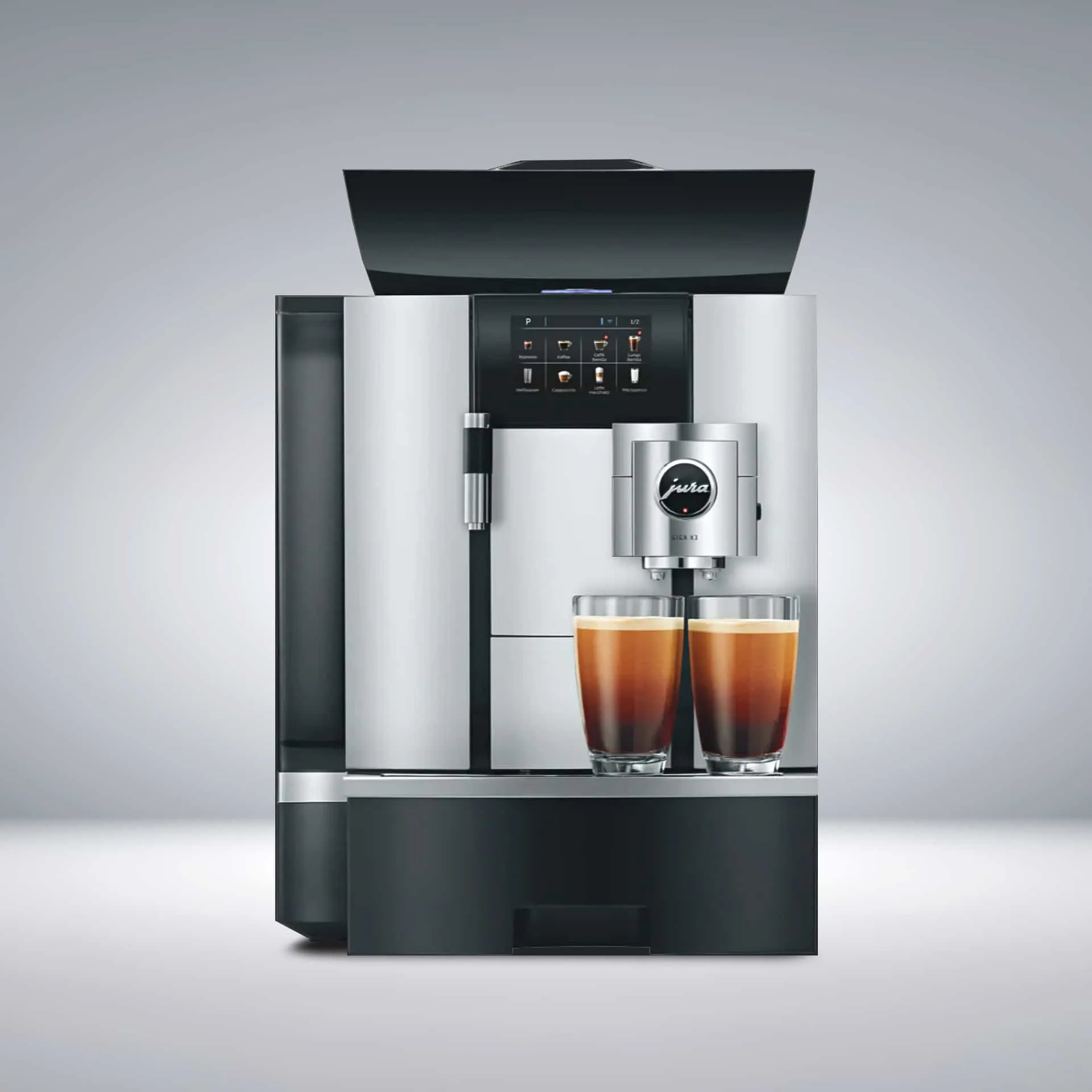
 BESTIR BM50
 BESTIR BM80
 BESTIR BMC300
 Coffetek Vitro M5 MIA
 Coffetek Vitro S1
 Coffetek Vitro S1 MIA
 Coffetek Vitro X1 MIA
 Coffetek Vitro X3
 Primio Coffee Beans
 Espresso Coffee Beans
 Ultimo Coffee Beans
 Vero Coffee Beans
 Coffetek Vitro X4 ESP
 FRANKE A300 FM
 FRANKE A400
 FRANKE A600
 FRANKE A800
 Gaggia Milano LA BRILLANTE
 Gaggia Milano LA RADIOSA
 Gaggia Milano LA SOLARE
 Jura GIGA X3 GEN II
 Jura GIGA X8 - GEN II
 Jura W8 - GEN II
 Jura X10
 NECTA KALEA PLUS
 Rex-Royal S1
How to Install Commercial Coffee Equipment
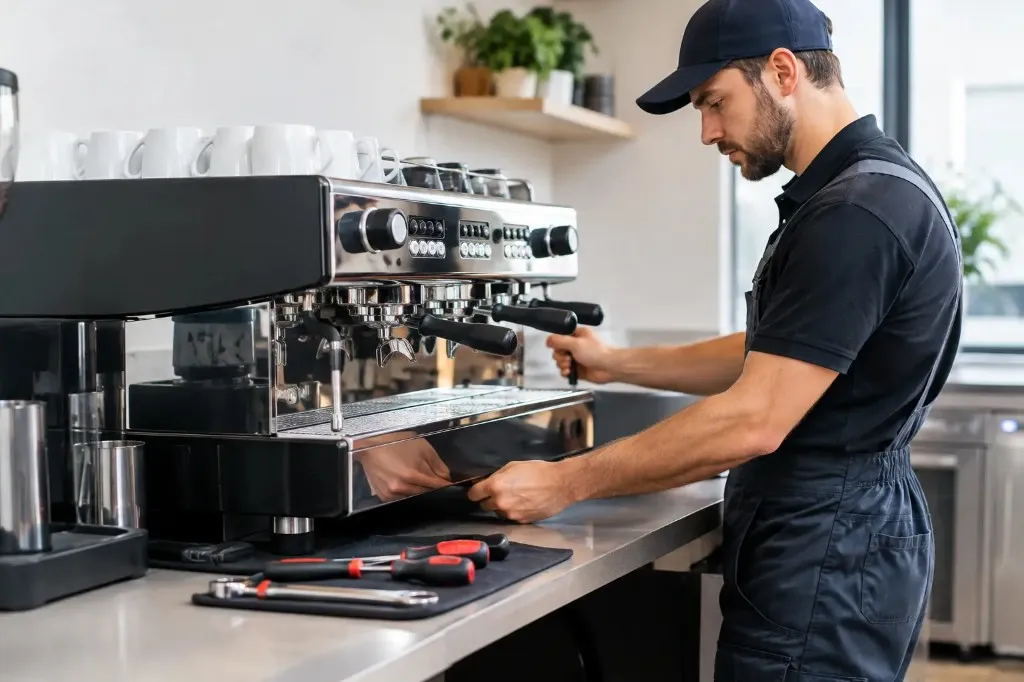
A commercial coffee machine can look perfectly at home in a showroom or staff kitchen and still be wrong for the site behind it. To install commercial coffee equipment properly, you need more than an available worktop and a nearby socket. Water quality, electrical capacity, drainage, access for servicing and daily demand all shape whether the machine performs as expected once the first busy Monday arrives.
For offices, hotels, cafés and customer-facing spaces, installation is where a good coffee investment becomes a dependable part of the working day. Get it right and your team or guests receive consistently good coffee with minimal fuss. Get it wrong and even a premium machine can create avoidable call-outs, queues and cleaning headaches.
Start with the site, not the machine
The most useful question is not, “Which machine looks best?” It is, “What does this location need the machine to do?” A compact bean-to-cup machine may suit a 15-person office with occasional visitors. A hotel breakfast area or busy showroom may need a higher-output model, fresh milk capability and a plumbed-in water supply.
Begin by estimating realistic daily cup volume rather than choosing from headcount alone. An office of 50 people may make 40 coffees a day, or 150 if coffee is central to its culture and clients are regularly welcomed. Consider peak periods too. A machine that can meet daily capacity but struggles with ten drinks in ten minutes may not be the right fit.
Available counter space matters, but so does the room around the machine. Operators need enough space to refill beans, add milk, empty grounds and clean the unit safely. Engineers need access for routine maintenance. If the equipment is placed under cupboards, check the height required to remove bean hoppers or open service panels.
A site assessment is particularly valuable where there are older buildings, restricted back-of-house areas or uncertain utilities. It removes guesswork before equipment arrives and helps prevent costly adjustments after delivery.
Check power, water and drainage requirements
Commercial coffee equipment should be installed in line with the manufacturer’s requirements and by appropriately qualified professionals where electrical or plumbing work is involved. The exact specification depends on the model, so do not assume a standard wall socket or existing water point will be suitable.
Electrical supply
Some smaller commercial machines operate from a standard 13-amp supply, while larger or higher-output machines may require a dedicated circuit or a higher-capacity connection. The machine’s electrical load, cable route and location relative to sockets all need checking before installation day.
Avoid relying on extension leads or overloaded sockets. Aside from being untidy in a professional setting, they can introduce safety risks and make cleaning more difficult. A dedicated, accessible supply gives the machine the stable power it needs and allows it to be isolated if required.
Water supply and filtration
A plumbed-in machine offers convenience in busy environments because it removes the need to keep filling a water tank. However, the incoming water supply must be suitable, accessible and fitted correctly. A shut-off valve should be within reach, and pipework should be routed neatly to avoid trip hazards or damage.
Water filtration is not an optional extra where hard water is present. Limescale affects taste, heating performance and the life of internal components. The right filter helps protect the machine while allowing coffee flavour to come through as intended. Filter capacity should match your anticipated volume, with replacement dates logged as part of ongoing care.
If a tank-fed machine is the better option for your space, make refilling part of the daily routine. It is a practical choice for leased offices, temporary setups or areas where plumbing is impractical, but it needs consistent attention to prevent downtime.
Waste and drainage
Bean-to-cup machines produce coffee grounds, rinse water and, in fresh milk models, a regular cleaning requirement. Most workplace machines collect waste internally, making them straightforward to position. Higher-volume equipment or certain specialist setups may need a waste connection, so this should be agreed before the machine is selected.
Fresh milk systems also need space for a fridge or integrated cooling unit, plus a clear process for storing, replenishing and cleaning milk safely. If the machine will sit in a public area, think about where staff can carry out these tasks without disrupting customers.
Position the machine for the people using it
The best location balances visibility with practicality. In an office, placing the machine near a natural break-out area encourages use without causing a bottleneck at reception or beside desks. In hospitality settings, staff workflow is the priority: milk, cups, cleaning materials and waste disposal should be close at hand.
Choose a stable, level surface that can carry the machine’s filled weight. Keep it away from direct heat sources, splashing water and areas exposed to excessive dust. Good lighting helps staff see displays, refill points and cleaning prompts, while clear ventilation around the unit prevents heat build-up.
Do not forget the customer experience. A coffee point should feel intentional, not squeezed into a corner beside storage boxes. The right presentation supports the quality of the drink and reflects well on your business, whether you are welcoming clients, supporting employees or serving hotel guests.
Installation day: test more than the first espresso
Once the machine is in place, installation should include commissioning rather than a quick switch-on. The engineer or installer should check water flow, pressure where relevant, electrical operation, heating, grinder settings and drink output. This is the point to identify leaks, error messages or awkward access before the machine becomes part of the daily routine.
Coffee quality needs testing too. Bean-to-cup equipment can be adjusted for grind, dose, beverage volume and milk settings, and these choices influence both flavour and cost per cup. A lungo that is too large or a milk drink with excessive foam can waste ingredients and disappoint users over time.
Use the coffee your business intends to serve during commissioning. Different beans behave differently, so settings that work with one blend may not be right for another. It is worth agreeing a small menu of drinks that the machine can produce consistently rather than offering every possible option with uneven results.
Train the people who will run it
The most reliable machine still needs someone who understands the basics. Training should be practical and focused on daily operation: turning the machine on and off where necessary, topping up beans and milk, emptying grounds, responding to cleaning prompts and recognising when to request support.
For fresh milk machines, hygiene training is essential. Staff should know the cleaning cycle, which components need washing and how milk must be handled. Skipping these tasks affects both drink quality and food safety, and can lead to avoidable faults.
It helps to nominate a main contact and a back-up. They do not need to become coffee engineers, but they should know where consumables are kept, when filters are due for replacement and how to report an issue accurately. A simple machine log can be useful for high-use sites, recording cleaning, filter changes and recurring faults.
Build maintenance into the commercial plan
Installation is only the start of the machine’s working life. Daily cleaning, regular descaling or filter replacement where specified, and planned servicing all protect performance. The right maintenance approach depends on cup volume, machine type, water conditions and whether the unit is serving staff only or paying customers.
Rental, lease and purchase arrangements can each work well, but support should be considered alongside the monthly figure or purchase price. A lower upfront cost is attractive, yet a machine without a realistic maintenance plan can become more expensive when downtime interrupts your workplace or service operation.
Full House Coffee helps businesses match equipment, installation requirements, beans and ongoing support to the way their site actually operates. That matters because a 30-cup-per-day office and a 300-cup hotel lounge should not be treated as the same installation with a different machine on the counter.
Before agreeing delivery, confirm who is responsible for preparation work, what utilities must be available, how access will be managed and what happens if the site is not ready. Clear answers keep installation day straightforward and allow your new coffee point to start earning its place from the first cup.
A well-installed commercial coffee machine should feel almost invisible in the best sense: good coffee appears when people need it, staff know how to look after it, and the day carries on without a queue forming around a flashing warning light.