
 BESTIR BM50
 BESTIR BM80
 BESTIR BMC300
 Coffetek Vitro M5 MIA
 Coffetek Vitro S1
 Coffetek Vitro S1 MIA
 Coffetek Vitro X1 MIA
 Coffetek Vitro X3
 Primio Coffee Beans
 Espresso Coffee Beans
 Ultimo Coffee Beans
 Vero Coffee Beans
 Coffetek Vitro X4 ESP
 FRANKE A300 FM
 FRANKE A400
 FRANKE A600
 FRANKE A800
 Gaggia Milano LA BRILLANTE
 Gaggia Milano LA RADIOSA
 Gaggia Milano LA SOLARE
 Jura GIGA X3 GEN II
 Jura GIGA X8 - GEN II
 Jura W8 - GEN II
 Jura X10
 NECTA KALEA PLUS
 Rex-Royal S1
How to Prevent Machine Downtime at Work
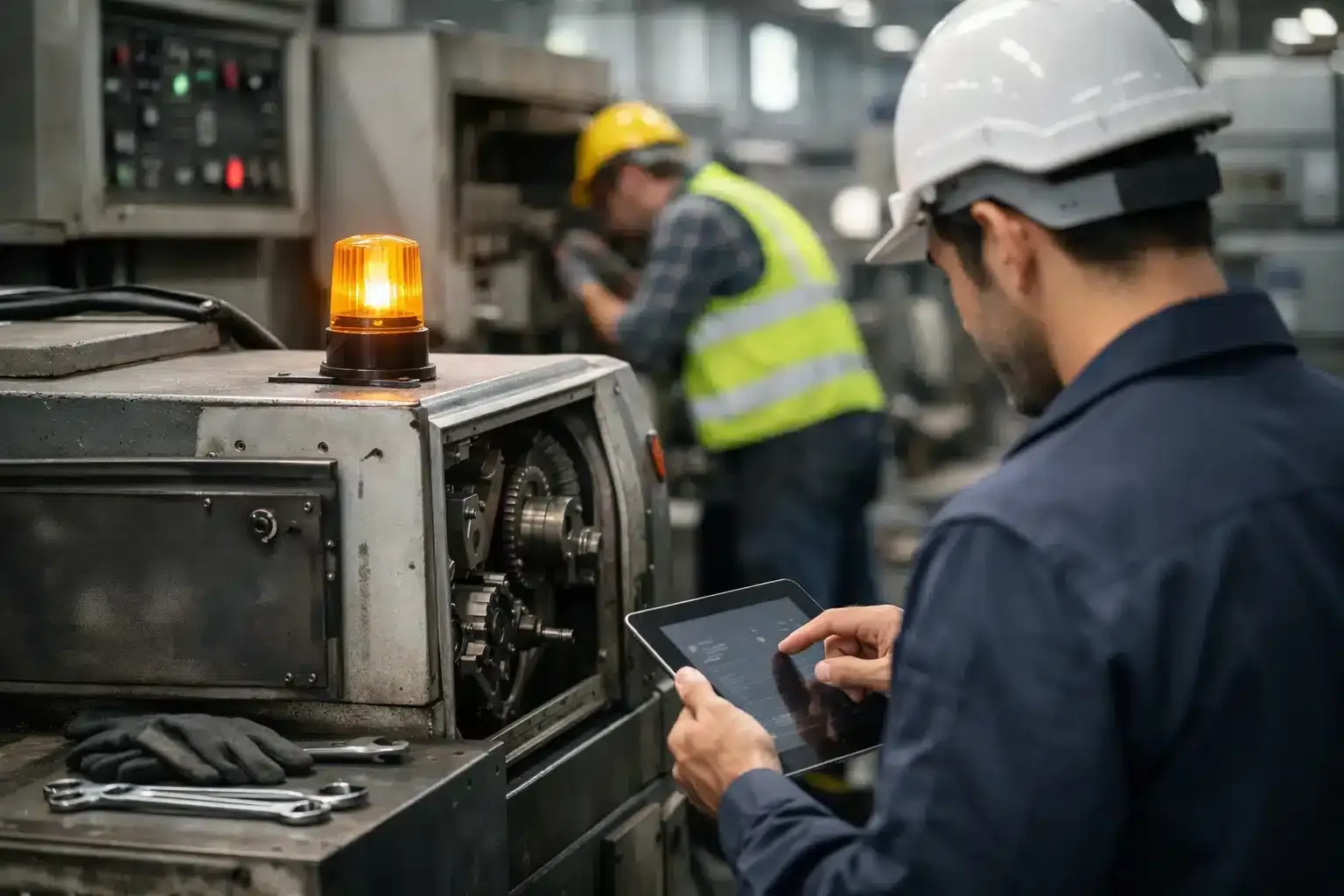
At 10:15, a coffee machine failure is rarely just a technical problem. It can mean a queue in reception, frustrated staff, missed service expectations and an avoidable call-out. Knowing how to prevent machine downtime starts with treating your commercial coffee machine as a working part of the business, not a background appliance.
For offices, hotels, showrooms and hospitality venues, reliability comes down to three things: choosing equipment that suits real demand, keeping it clean and well supplied, and having the right support in place before a fault becomes disruptive.
Start with a machine that matches demand
Many downtime issues begin long before a machine is installed. A compact bean-to-cup machine may look ideal in a boardroom or small office, but it will struggle if it is asked to produce 150 fresh milk drinks each day. Repeatedly working beyond its intended capacity can lead to slower service, more cleaning prompts and premature wear on brewing and milk components.
Start with an honest picture of usage. Consider the number of people on site, peak demand periods, the drinks menu and whether customers or guests will use the machine as well as staff. A workplace of 40 people might need a very different setup from a hotel breakfast area serving the same number of coffees in one concentrated hour.
Water supply matters too. A tank-fed machine can be an excellent fit where plumbing is impractical or usage is modest. In a high-volume setting, however, a mains-fed machine removes the risk of an empty tank stopping service at the busiest moment. The right answer depends on your site, available space and daily cup volume, rather than simply choosing the largest machine on the market.
Allow headroom for growth and peak periods
A machine rated for your average daily volume may not be the best choice if demand regularly spikes. Seasonal trade, office attendance patterns, events and a growing team can all change usage quickly.
Allowing sensible capacity headroom helps the machine maintain drink quality and gives your team breathing room when demand is high. It can also be worth considering two machines in a larger site. That is an additional investment, but it provides service continuity and can reduce queues where coffee is central to the guest or employee experience.
Build cleaning into the working day
Commercial coffee machines are designed to tell users when they need attention. Ignoring those prompts is one of the fastest ways to turn a minor task into an interruption to service. Daily rinsing, milk-system cleaning and emptying waste containers protect hygiene, flavour and machine performance at the same time.
Fresh milk machines need particular care. Milk residues can block pipework, affect foam quality and create hygiene concerns if cleaning cycles are delayed. Staff should complete the recommended milk clean at the end of every day, using the correct cleaning products and programme for that model. A quick wipe of the steam area and milk connection during service also prevents build-up.
Bean hoppers and grounds drawers deserve routine attention as well. Overfilling a hopper, leaving beans exposed for long periods, or allowing the puck bin to become packed can all cause avoidable faults. Keep a simple responsibility rota so cleaning does not rely on one person remembering it during a busy shift.
There is a balance to strike. Excessive cleaning with unsuitable products can damage seals or leave residues, while too little cleaning compromises performance. Always follow the machine manufacturer’s instructions and make sure the people using the machine have had a proper handover.
Keep water, milk and beans under control
A machine cannot make coffee if it has run out of the basics, but supply issues are often mistaken for technical faults. Check bean levels, milk availability, water tanks and waste capacity before the busiest part of the day, not when the first queue forms.
Water quality is equally significant. In hard-water areas, limescale can reduce heating efficiency, restrict water flow and cause faults over time. A correctly specified water filter helps protect internal components, but filters need replacing on schedule. Delaying a filter change to save a small cost can result in a far more expensive service visit later.
Use coffee beans that are suitable for your machine and store them in a cool, dry place. Very oily beans can create residue in grinders and brewing systems, while stale beans affect drink quality and may lead users to alter settings unnecessarily. If grind or recipe settings need changing, make adjustments carefully and record what has been changed. Random alterations can make a well-performing machine appear unreliable.
How to prevent machine downtime with planned maintenance
Daily care handles the basics. Planned maintenance looks after the components users cannot easily see, including grinders, brew units, valves, seals and internal water pathways. It is the difference between waiting for a failure and addressing wear before it disrupts the workplace.
The appropriate schedule depends on machine type, cup volume, water quality and drinks served. A heavily used fresh milk machine will generally require more attention than a low-use black coffee machine in a meeting room. It is worth discussing your actual operating conditions with a supplier rather than relying on a generic annual service interval.
A maintenance visit should do more than reset a warning message. It should include inspection, cleaning, replacement of worn service parts where required, performance checks and advice on any developing issue. This is also an opportunity to review whether the machine remains right for the site.
With an optional maintenance arrangement, businesses can budget more predictably and reduce the admin involved in arranging repairs. Full House Coffee can help match maintenance support to the machine, usage level and practical needs of your workplace. No pressure, just expert advice that keeps coffee service easier to manage.
Give staff a clear response plan
When a machine displays an error, the response should be calm and consistent. Switching it off and on repeatedly, forcing parts into place or trying unapproved fixes can turn a recoverable issue into a longer outage.
Keep the machine guide and support contact details accessible to the people who open the site or manage facilities. Staff should know the few checks that are safe to make: confirm power and water supply, empty the grounds container, check bean and milk levels, and read the on-screen message carefully. If the machine requests a cleaning or rinsing programme, complete it as instructed.
For persistent errors, leaks, unusual noises, poor temperature or repeated grinder problems, arrange professional support. Note the error message, when it occurred and what was happening at the time. That information helps an engineer diagnose the issue more quickly and can reduce time spent on site.
In customer-facing environments, plan for continuity too. A filter coffee station, a smaller backup machine or a nearby hospitality option can protect the experience while a primary machine is being serviced. The right fallback depends on how critical coffee is to your operation.
Review performance before service becomes unreliable
Do not wait for a complete failure to assess performance. Longer drink times, inconsistent milk texture, weaker coffee, frequent cleaning prompts and rising call-out frequency are all signs that something may need attention.
Review usage every few months, especially after a move, expansion or change in working patterns. If your team has doubled, or the machine has become a popular client-facing feature, the original specification may no longer be suitable. Upgrading, adding capacity or changing from a tank-fed to mains-fed setup can be more cost-effective than repeatedly repairing an overstretched machine.
Reliable coffee service is built through sensible choices made early: the right machine, clear daily care and support that fits the way your business actually operates. Give your machine that foundation, and it can keep turning the mid-morning queue into a reason people are happy to be at work.