 BESTIR BM50
 BESTIR BM80
 BESTIR BMC300
 Coffetek Vitro M5 MIA
 Coffetek Vitro S1
 Coffetek Vitro S1 MIA
 Coffetek Vitro X1 MIA
 Coffetek Vitro X3
 Primio Coffee Beans
 Espresso Coffee Beans
 Ultimo Coffee Beans
 Vero Coffee Beans
 Coffetek Vitro X4 ESP
 FRANKE A300 FM
 FRANKE A400
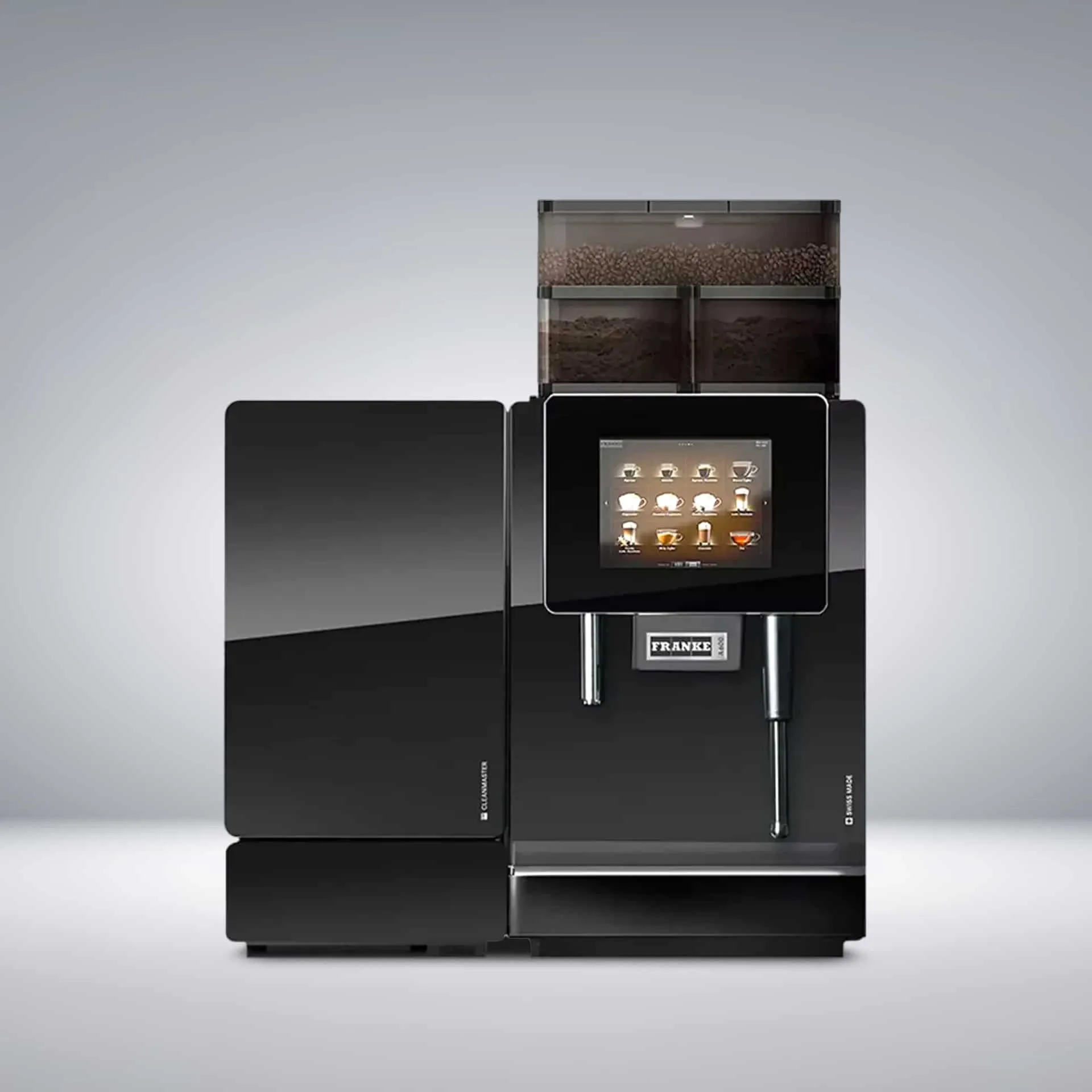
 FRANKE A600
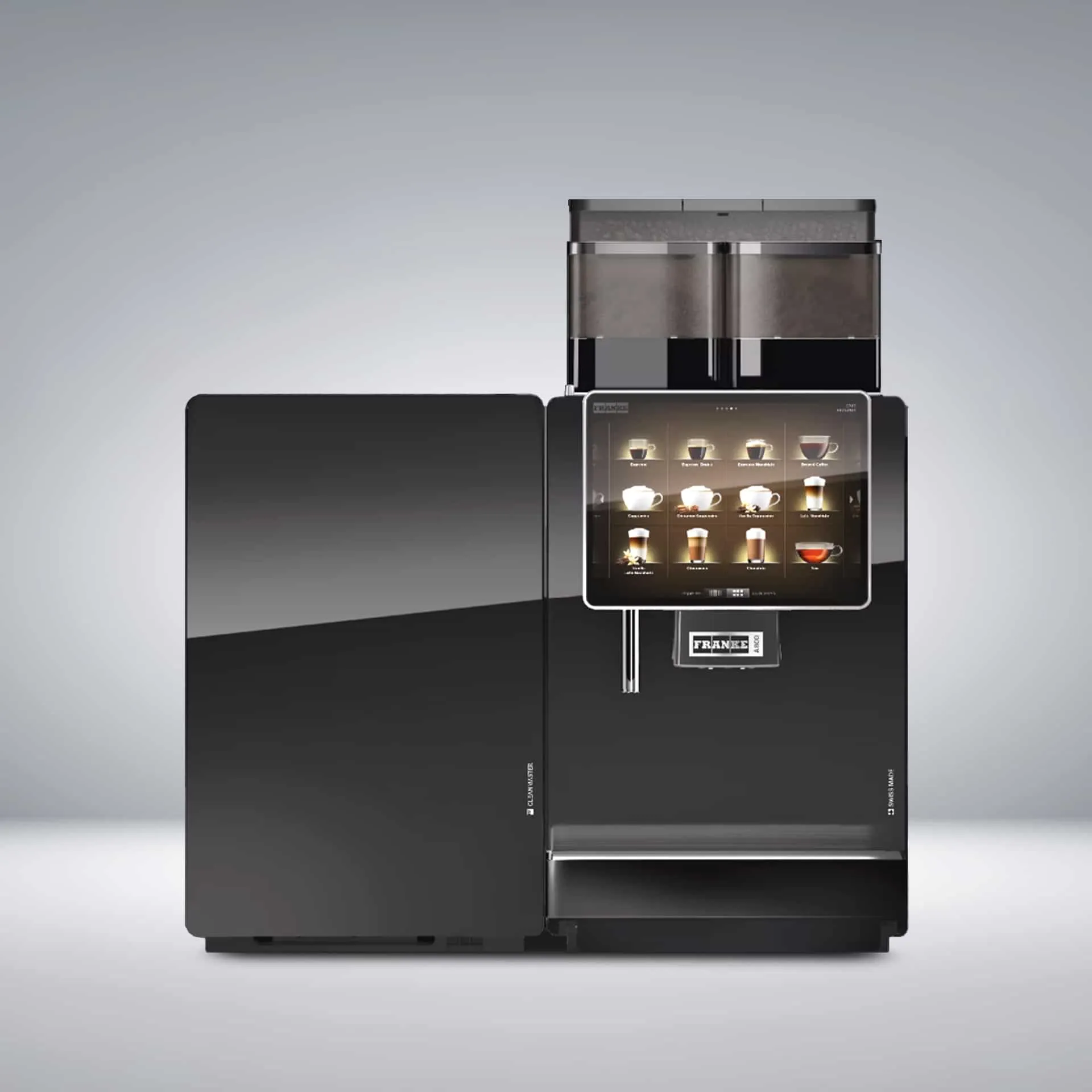
 FRANKE A800
 Gaggia Milano LA BRILLANTE
 Gaggia Milano LA RADIOSA
 Gaggia Milano LA SOLARE
 Jura GIGA X3 GEN II
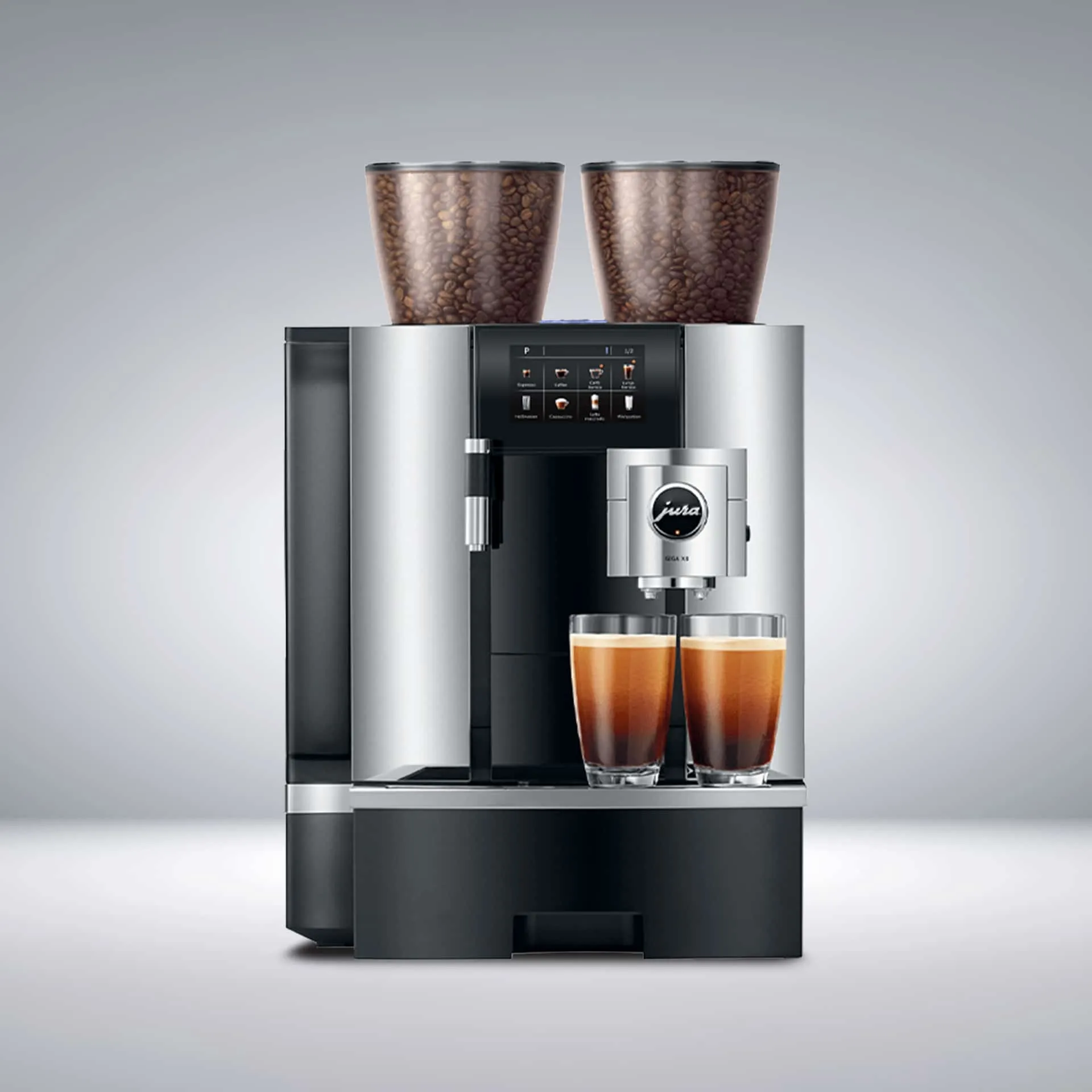
 Jura GIGA X8 - GEN II
 Jura W8 - GEN II
 Jura X10
 NECTA KALEA PLUS
 Rex-Royal S1
Choosing Smart Coffee Machines for Workplaces

The 08:45 rush is where a workplace coffee set-up proves itself. If colleagues are queuing, refilling a domestic machine or settling for instant coffee, the issue is not simply the drink. It is lost time, an underwhelming employee experience and a machine that was never specified for commercial demand. Smart coffee machines for workplaces can change that, provided the word ‘smart’ is matched with the right capacity, features and support.
For a busy office, hotel reception or showroom, a good coffee machine should make premium drinks consistently without becoming another task on the facilities list. That means looking beyond a polished touchscreen or a long drinks menu. The practical questions are how many cups it can produce, who will use it, where it will sit and what happens when demand changes.
What makes a workplace coffee machine smart?
A smart commercial coffee machine is designed to make high-quality coffee easier to manage. Depending on the model, that may mean programmable drink recipes, intuitive touchscreen selection, automated cleaning cycles, usage reporting or remote diagnostic capability. Bean-to-cup technology is central to many workplace installations: the machine grinds whole beans for each drink, then brews espresso-based coffee at the touch of a button.
The benefit is consistency. Staff and visitors can choose an Americano, flat white, latte or cappuccino without needing barista training, while the business can maintain a standard of coffee that reflects well on the workplace.
However, smart functions should not be mistaken for a solution in themselves. A connected machine can provide useful data, but it will not compensate for an undersized boiler, a milk system unsuited to peak use or a bean hopper that needs filling twice a day. The best specification is the one that removes friction from your particular operation.
Start with daily cup volume, not the machine brochure
The most useful starting point is an honest estimate of daily drinks. Count employees, regular visitors and likely peak periods rather than simply choosing a machine by headcount. A 40-person office where most people make two coffees before lunch has a very different requirement from a 40-person business with hybrid attendance and occasional guests.
It is also worth allowing for growth. A machine operating close to its maximum daily output from day one may struggle during meetings, events or recruitment periods. Choosing a little headroom usually protects drink quality and reduces queues, but buying far beyond your needs can add unnecessary cost and complexity.
Daily volume influences the machine’s grinder, boiler capacity, waste container, drip tray and cleaning requirements. In a lighter-use environment, a compact tabletop bean-to-cup machine may be ideal. For a larger office, hospitality venue or customer-facing site, a higher-capacity unit with larger ingredient canisters and a direct water connection can be a better commercial decision.
Consider the peak, not just the average
A machine may comfortably make 100 drinks a day, yet still become a bottleneck if 25 people want coffee in the same ten-minute window. This is common in offices just before meetings and in showrooms during events. Drink preparation time, milk choice and the number of outlets all affect throughput.
If speed matters, specify a machine with the performance to handle consecutive milk drinks and consider a plumbed-in water supply. It removes the need for staff to monitor and refill an internal tank, helping the station stay available when it is busiest.
Fresh milk or powdered milk: choose for the experience you need
Milk is often the deciding factor between a good office coffee offer and a memorable one. Fresh milk machines generally deliver the more premium texture and flavour expected from café-style cappuccinos, lattes and flat whites. They work particularly well in executive offices, client areas, hotels and businesses using coffee as part of their hospitality offer.
The trade-off is care. Fresh milk needs appropriate refrigeration, regular cleaning and a clear routine for topping up supplies. Modern systems make this straightforward, but somebody still needs ownership of the process.
Powdered milk machines can be a sensible choice where convenience, speed and lower daily intervention matter most. They are often well suited to high-volume shared spaces, sites with limited facilities support, or environments where fresh milk management would be impractical. The right choice depends on the standard you want to serve and the operational routine you can reliably maintain.
For some businesses, a black-coffee-focused bean-to-cup machine plus a separate fresh milk option is the best fit. There is no single ‘correct’ milk system, only one that supports your users and your service expectations.
Match the machine to the space and utilities
Before comparing models, assess the intended location. Counter depth, overhead clearance, access for cleaning and proximity to power and water all matter. A machine that fits physically but blocks a cupboard, has no room for beans or milk, or forces staff to carry water across the kitchen will soon become inconvenient.
A plumbed-in machine offers a strong advantage for busy workplaces because it keeps water supply continuous. It does require a suitable water connection and, in many areas, appropriate filtration. Water quality affects both taste and machine longevity, so it should be considered as part of the installation rather than an afterthought.
Tank-fed machines provide more flexibility where plumbing is unavailable or the coffee point may move. They can be excellent for smaller offices, meeting rooms and temporary spaces, but require a nominated person to check water levels. For client-facing locations, that simple routine matters: an empty tank is a poor welcome.
The features worth paying for
A long specification list can make every model sound essential. In practice, the most valuable features are the ones that reduce workload and protect consistency. For many businesses, that includes customisable drink settings, clear touchscreen prompts, automatic rinse programmes, adjustable coffee strength and easy-access waste containers.
Usage information can also be valuable. Knowing which drinks are popular, when consumption rises and how much coffee is being used can help with bean ordering and machine planning. This is particularly useful for multi-site businesses or operators managing several refreshment areas.
Be cautious about paying for features your team will not use. A menu of 30 drinks can look impressive, but a focused selection of well-made favourites may be more useful. Similarly, app control has limited value if the machine is in a communal kitchen and all users want is a good coffee without instructions.
Coffee beans are part of the machine decision
Even an excellent machine cannot produce a memorable cup with unsuitable beans. The coffee should suit your audience, drink menu and milk choice. A blend that stands up well in a flat white may be preferable in an office setting, while a more distinctive single-origin profile may suit a premium hospitality environment.
Consistency of supply is equally important. Running out of beans in the middle of a busy week undoes the benefit of having a commercial machine. A managed bean supply can simplify reordering and help ensure the coffee remains matched to the machine and the drinks being served.
It is worth tasting coffee before committing, especially when the machine will be used to welcome clients or reward staff. Coffee: turning ‘leave me alone’ into ‘let’s get to work’ since forever, but only when the cup is worth making.
Buy, lease or rent? Keep the arrangement flexible
How you acquire the machine should reflect how certain your requirements are. Purchasing can suit established businesses with a clear, stable demand profile and a preference for owning equipment outright. Leasing can spread the cost while providing access to a higher-specification machine than an upfront budget might allow.
Rental can offer useful flexibility for businesses that are growing, relocating, opening a new site or testing demand. It can also make it easier to upgrade or downgrade when staff numbers or cup volume change. The best option is not automatically the lowest monthly figure. Consider what is included, the term length, maintenance provision and whether the arrangement can adapt as your workplace does.
Maintenance is where reliability is won
Commercial coffee machines work hard. Grinders, brew units, milk systems and water filters all need routine attention to keep drinks tasting right and to prevent avoidable downtime. Daily user cleaning is essential, particularly with fresh milk, while planned maintenance helps protect the investment over the longer term.
When comparing suppliers, ask how support works in practice. Find out who handles installation, training, servicing, replacement parts and call-outs. A premium machine with unclear support can create more disruption than a simpler model backed by responsive service.
Full House Coffee can help businesses assess their site, expected demand, preferred drinks and budget before recommending a suitable machine, bean supply and maintenance approach. No pressure, just expert advice that keeps the decision commercial as well as coffee-focused.
The right coffee point should feel almost invisible once it is in place: staff know how to use it, guests enjoy it, and the person responsible is not chasing water tanks or troubleshooting error messages. Start with how your workplace actually drinks coffee, then choose a machine and support plan built to keep up.