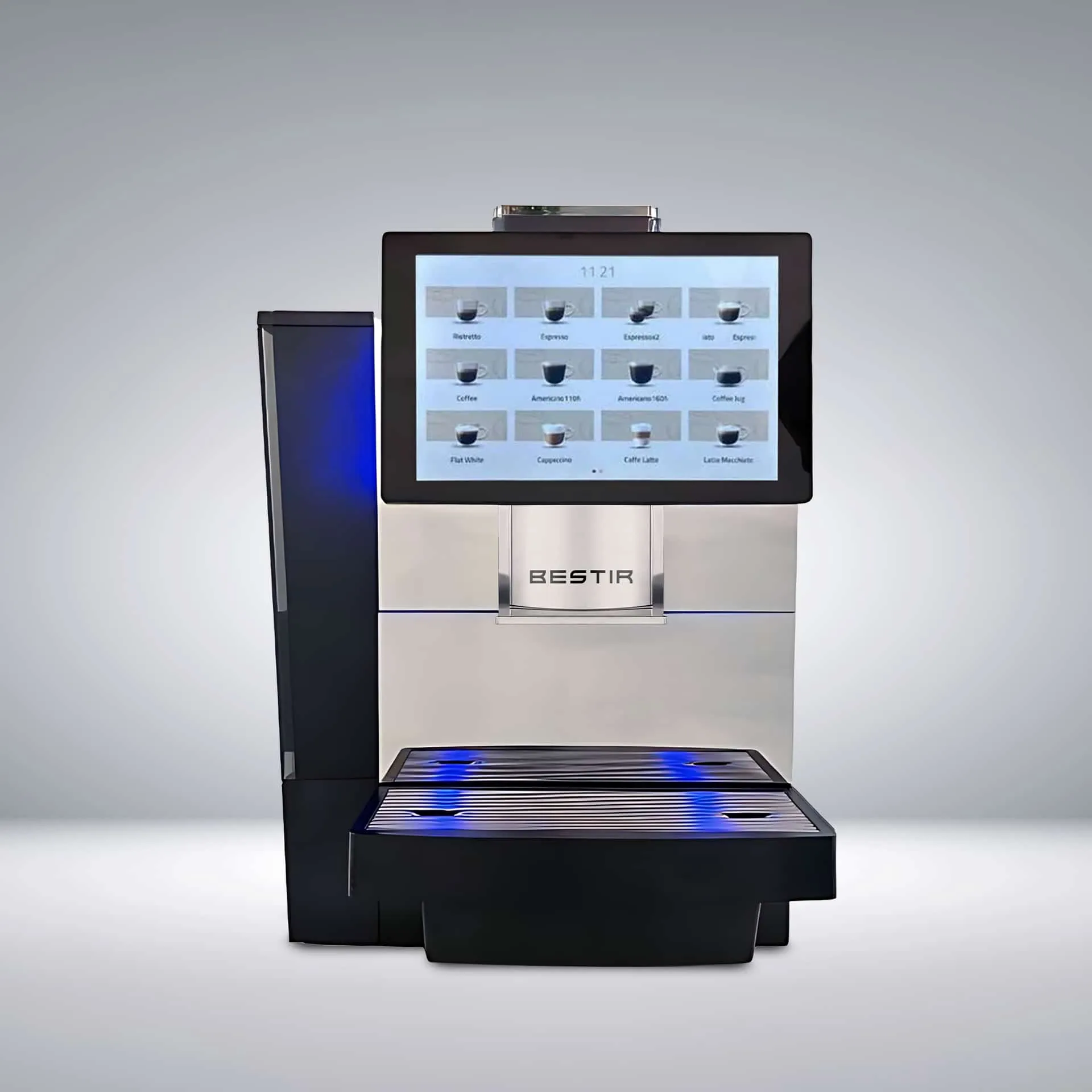
 BESTIR BM50
 BESTIR BM80
 BESTIR BMC300
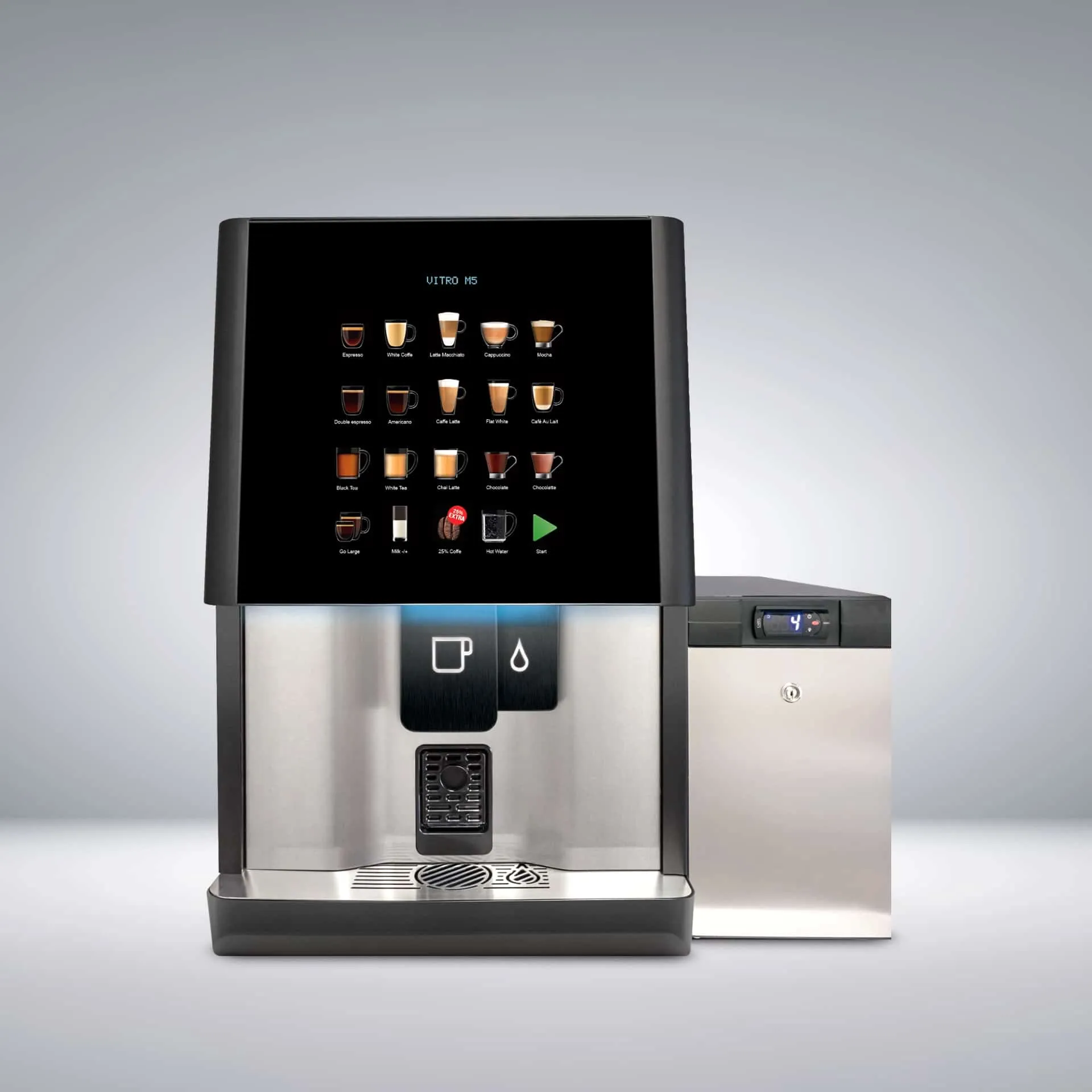
 Coffetek Vitro M5 MIA
 Coffetek Vitro S1
 Coffetek Vitro S1 MIA
 Coffetek Vitro X1 MIA
 Coffetek Vitro X3
 Primio Coffee Beans
 Espresso Coffee Beans
 Ultimo Coffee Beans
 Vero Coffee Beans
 Coffetek Vitro X4 ESP
 FRANKE A300 FM
 FRANKE A400
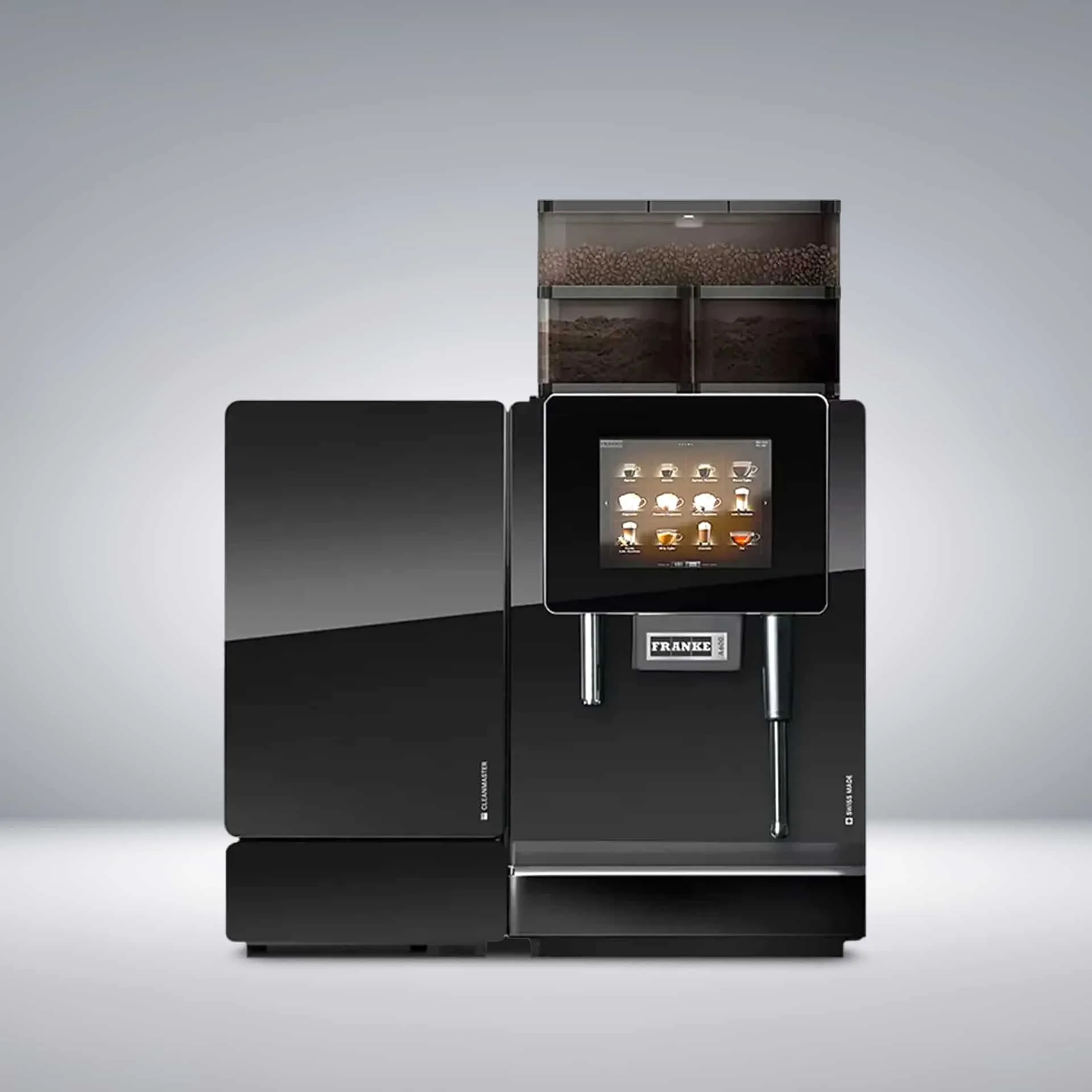
 FRANKE A600
 FRANKE A800
 Gaggia Milano LA BRILLANTE
 Gaggia Milano LA RADIOSA
 Gaggia Milano LA SOLARE
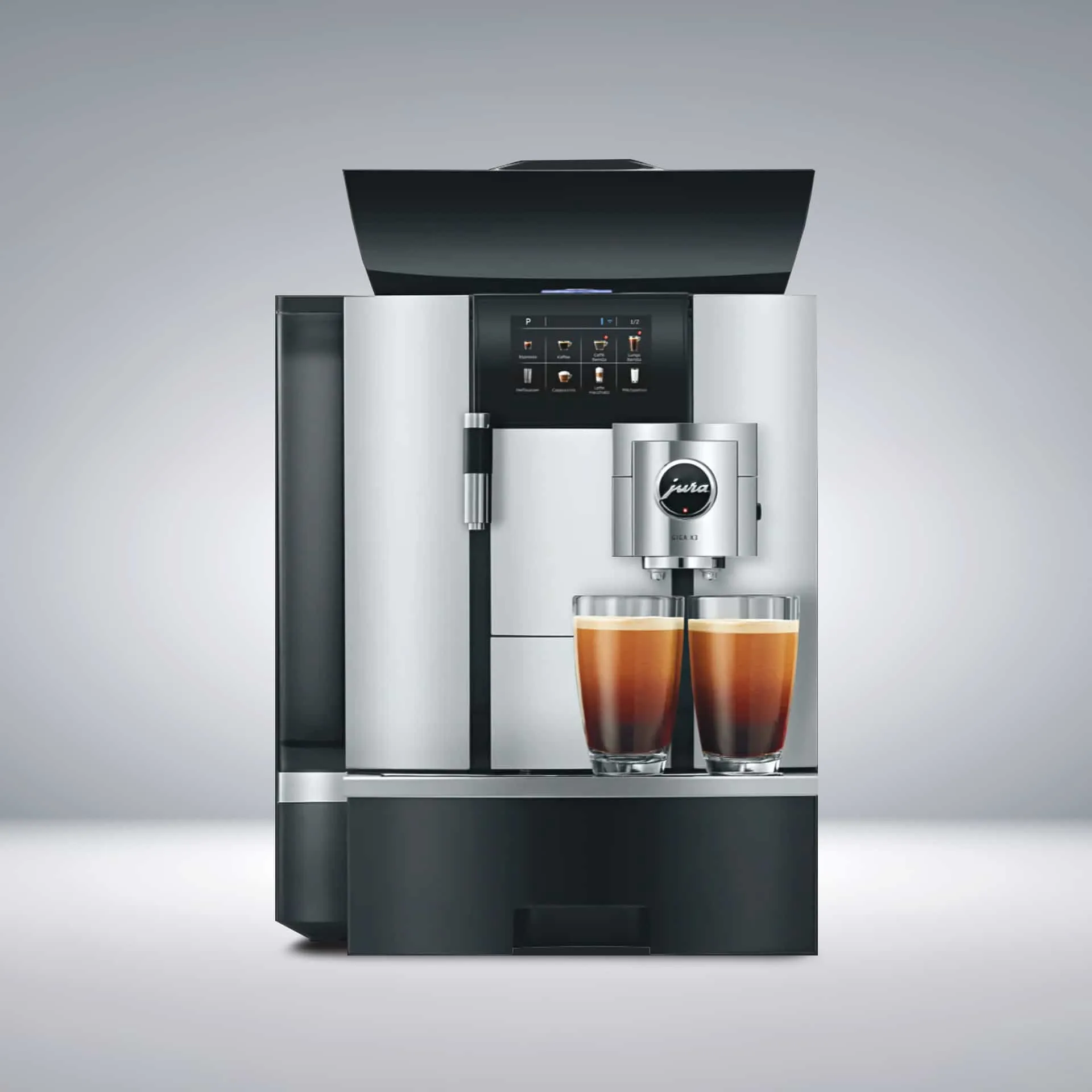
 Jura GIGA X3 GEN II
 Jura GIGA X8 - GEN II
 Jura W8 - GEN II
 Jura X10
 NECTA KALEA PLUS
 Rex-Royal S1
Espresso Machine Versus Filter Coffee at Work
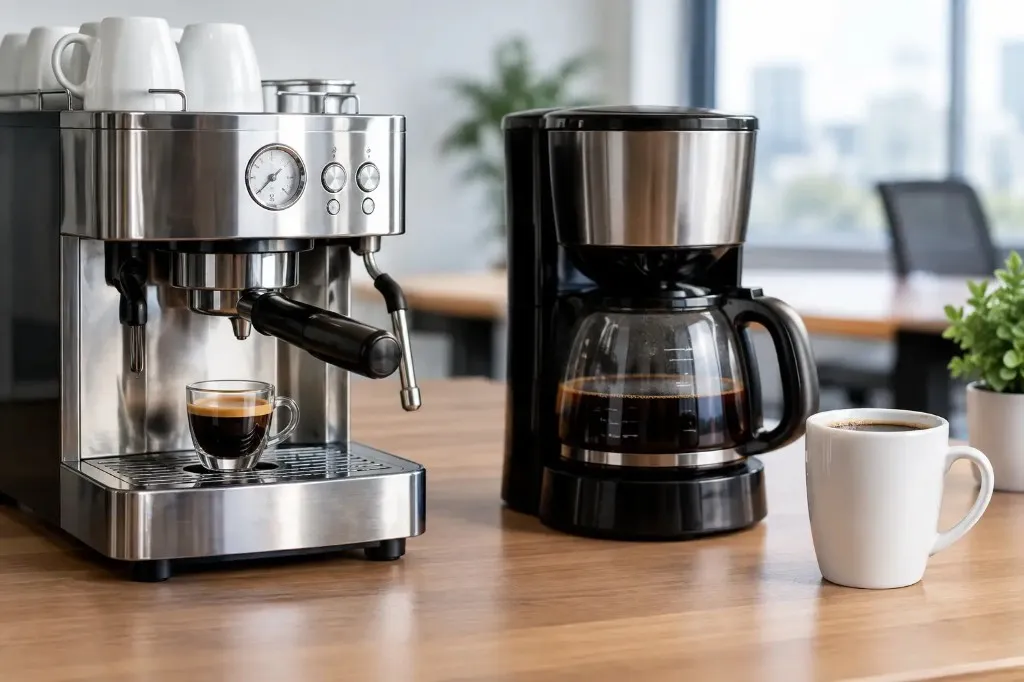
The 9:15am queue tells you more about your coffee provision than a spreadsheet ever will. When comparing an espresso machine versus filter coffee for a workplace, the best choice is not simply about which drink tastes better. It is about serving the right coffee, at the right speed, with a level of effort your team can realistically sustain.
For some businesses, a fresh-milk bean-to-cup machine makes the office feel properly looked after. For others, filter coffee is the sensible answer to a busy training day, breakfast service or meeting room that needs several cups ready at once. Both have a place. The commercial question is which one fits your people, premises and daily demand.
Espresso machine versus filter coffee: the practical difference
An espresso machine forces hot water through finely ground coffee under pressure. It produces a concentrated espresso that can be served on its own or used as the base for americanos, flat whites, cappuccinos and lattes. In a commercial setting, this may be a traditional barista machine or, more commonly in offices, a bean-to-cup machine that grinds beans and prepares drinks at the touch of a button.
Filter coffee works differently. Hot water passes through medium-ground coffee in a filter, then collects in a jug or insulated dispenser. The result is a cleaner, lighter-bodied coffee designed to be served in larger volumes. Batch brewers and filter machines are especially effective when several people want black coffee at the same time.
The distinction matters because espresso-based drinks offer variety and perceived quality, while filter coffee offers simplicity and capacity. One is not inherently superior. A quiet design studio with a strong taste for flat whites has very different needs from a hotel breakfast room serving 80 guests in an hour.
Taste, choice and the workplace experience
Coffee is a small daily ritual, but it has an outsized effect on how a workplace feels. A quality espresso machine can turn a rushed break into a proper pause and give staff, visitors and clients a choice they recognise from a good café.
Espresso has a fuller body, more intensity and, when prepared well, a layer of crema. It also gives people options. A single machine can offer espresso, americano, cappuccino, latte and hot chocolate, depending on the model. Fresh milk machines add a more premium finish for workplaces where the quality of hospitality matters, such as showrooms, hotels, client-facing offices and serviced spaces.
Filter coffee is less theatrical but often very satisfying. It tends to highlight cleaner, more nuanced flavours in the coffee and is ideal for people who prefer a straightforward mug of black coffee. It can also suit longer meetings, where a pot or insulated server allows guests to top up without waiting for individual drinks.
There is a cultural point here too. UK offices increasingly include a wide mix of coffee preferences. If your team regularly buys milk-based drinks from cafés, a basic filter set-up may feel like a step down. If most people simply want a reliable black coffee before starting work, paying for extensive drink menus may not be necessary.
Capacity is usually the deciding factor
A single serving from a bean-to-cup machine may take 30 to 60 seconds, depending on the drink and milk system. That is perfectly manageable for a team of 15 or 30, particularly when demand is spread through the day. It becomes less convenient when 50 people arrive at the office at once and all head for the kitchen.
Filter coffee is built for those concentrated rushes. A commercial brewer can prepare a large batch for a meeting, event or breakfast period, keeping service moving without someone making drinks one by one. It is a particularly practical option for conference facilities, canteens, waiting areas and venues with predictable peaks.
That does not mean high-volume sites must choose filter coffee alone. Larger offices can install bean-to-cup machines designed for heavier use, with larger bean hoppers, fresh milk capability and direct water connections. A plumbed-in machine avoids the interruption of manually filling a water tank and supports more consistent service over a busy day.
For many workplaces, the strongest answer is a combination. A bean-to-cup machine in the main kitchen provides café-style choice for daily use, while a filter brewer supports boardroom meetings, events or seasonal surges. This avoids asking one machine to do every job.
Cost is more than the price of the machine
Filter equipment usually has a lower upfront cost and fewer moving parts. The coffee itself can also be economical when serving high volumes, especially where guests are happy with black coffee. For businesses looking to provide dependable refreshments without a premium drinks menu, it is an efficient route.
However, a low equipment cost does not automatically mean low operational cost. Filter coffee needs someone to prepare batches at the right time, dispose of used grounds, wash jugs and ensure coffee is not left sitting long enough to lose its appeal. Waste can increase if large batches are brewed speculatively and go untouched.
An espresso or bean-to-cup machine costs more, particularly where fresh milk, refrigeration, direct water connection and high daily capacity are required. Yet it can reduce reliance on manual preparation and make portion control more consistent. Coffee is ground and brewed per drink, so it is less likely to be discarded because it has been sitting in a pot.
It is also worth considering the cost of leaving the workplace. If employees regularly go out for coffee because the in-house offer is uninspiring, the business loses more than the price of a drink. Breaks take longer, teams disperse and an opportunity to create a more welcoming workplace is missed.
Rental or lease options can make commercial espresso equipment easier to budget for, particularly when the agreement includes appropriate support and bean supply. The right arrangement should reflect expected use rather than forcing a small team into a machine built for a hotel lobby.
Maintenance and day-to-day responsibility
A filter machine is mechanically straightforward, but it still needs daily attention. Jugs, baskets and spray heads need cleaning, and regular descaling is essential where water hardness demands it. A poorly maintained filter brewer quickly produces coffee that tastes flat, bitter or stale.
Bean-to-cup machines are more advanced, so their cleaning routines matter just as much. Milk systems need cleaning every day, waste containers must be emptied and brewing components require routine care. Modern commercial machines make much of this manageable with guided on-screen cleaning programmes, but somebody still needs ownership of the task.
For time-pressed facilities teams, the question is not whether maintenance exists. It is whether it has been planned. Machine selection, staff guidance, beans and optional maintenance support should work together. That is how a workplace avoids the familiar problem of an expensive coffee machine sitting unused because no one is confident looking after it.
Which set-up suits your business?
Choose filter coffee when you need to serve large numbers quickly, the majority of drinkers prefer black coffee, or your service is centred on meetings and events. It is also a sensible addition where speed matters more than drink customisation.
Choose an espresso or bean-to-cup machine when employee experience, client hospitality and drink choice are priorities. It is particularly well suited to offices, professional reception areas, showrooms and hospitality spaces where a barista-style coffee says something positive about the business.
If your requirements sit between the two, start with practical figures: how many cups are served each day, when demand peaks, whether fresh milk is expected, where the machine will sit and whether a water connection is available. Those details make a better recommendation than choosing based on a home coffee habit.
Full House Coffee can assess those requirements without the hard sell, helping businesses match daily cup volume, available space and budget to a machine and service plan that will remain practical as needs change.
The most useful next step is to watch your coffee routine for one working week. Count the cups, notice the queues and ask what people actually drink. The right set-up should make good coffee the easy option, not another job on the facilities list.