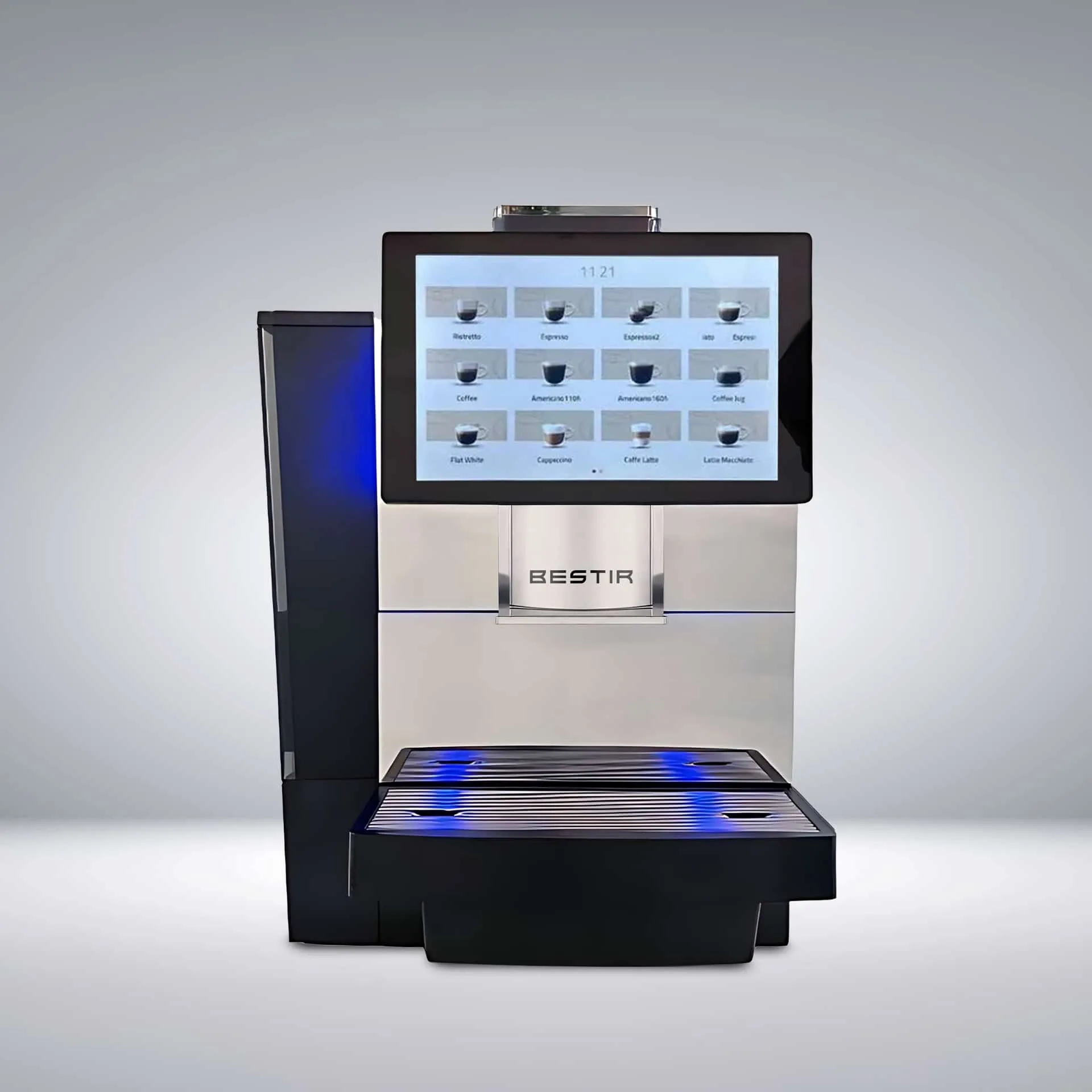
 BESTIR BM50
 BESTIR BM80
 BESTIR BMC300
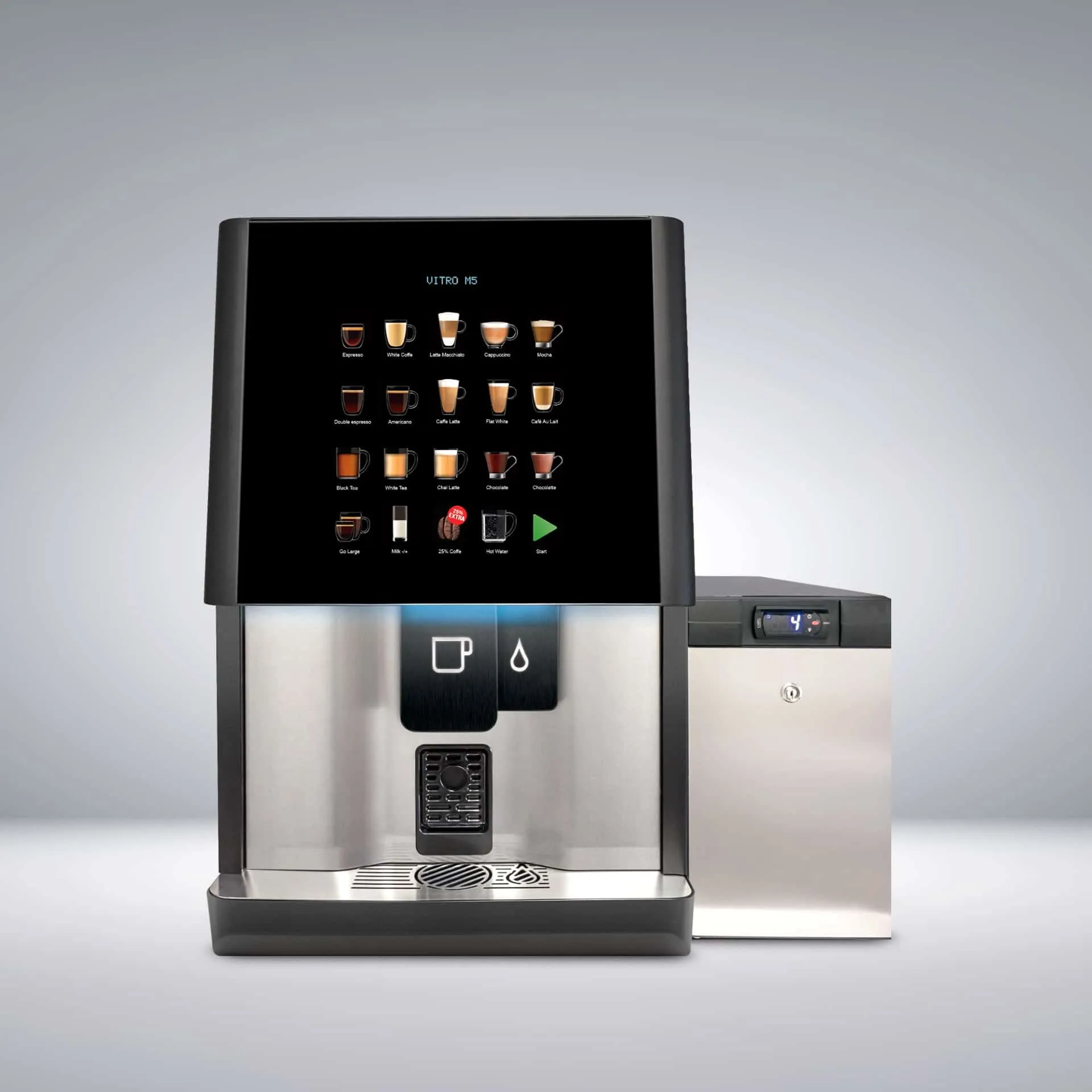
 Coffetek Vitro M5 MIA
 Coffetek Vitro S1
 Coffetek Vitro S1 MIA
 Coffetek Vitro X1 MIA
 Coffetek Vitro X3
 Primio Coffee Beans
 Espresso Coffee Beans
 Ultimo Coffee Beans
 Vero Coffee Beans
 Coffetek Vitro X4 ESP
 FRANKE A300 FM
 FRANKE A400
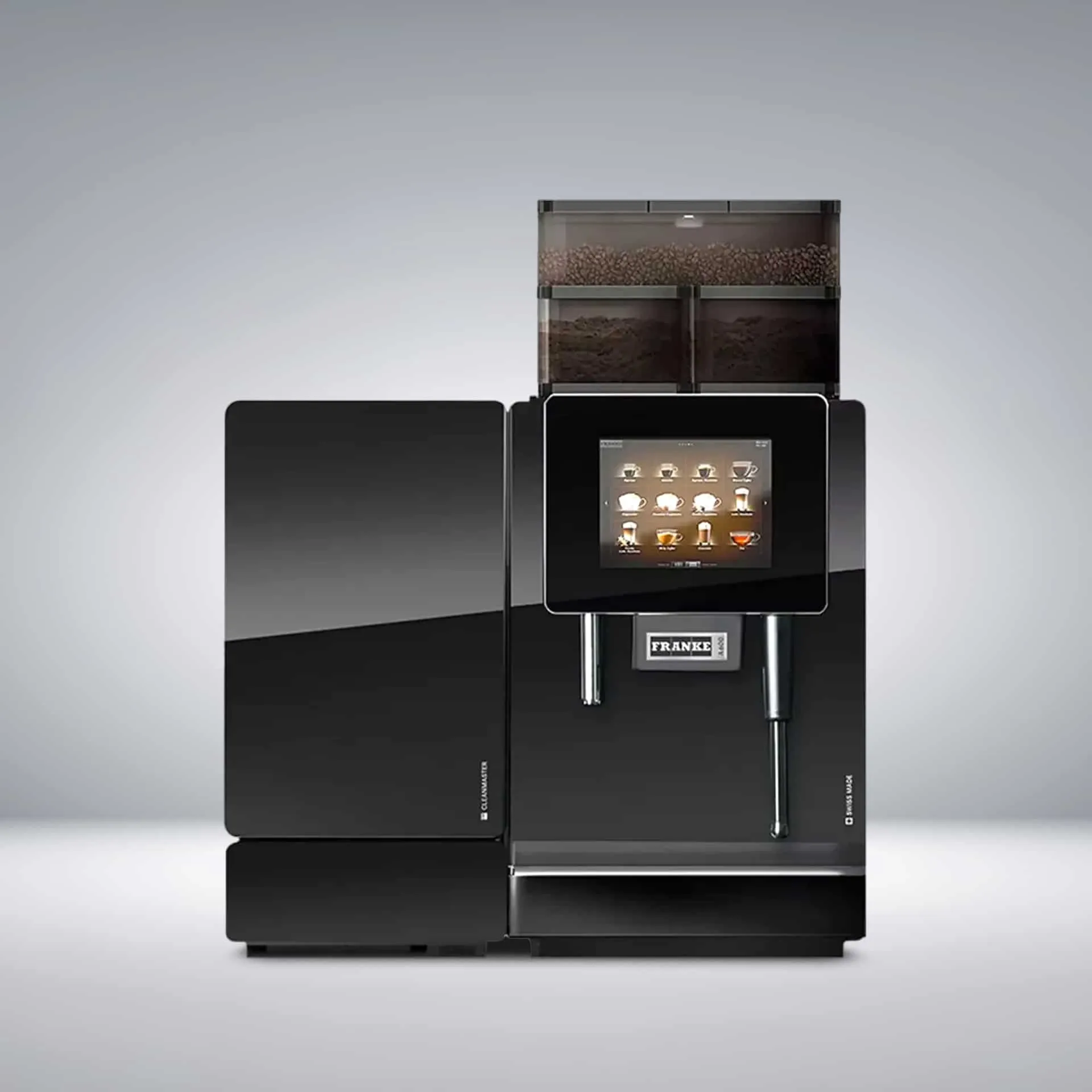
 FRANKE A600
 FRANKE A800
 Gaggia Milano LA BRILLANTE
 Gaggia Milano LA RADIOSA
 Gaggia Milano LA SOLARE
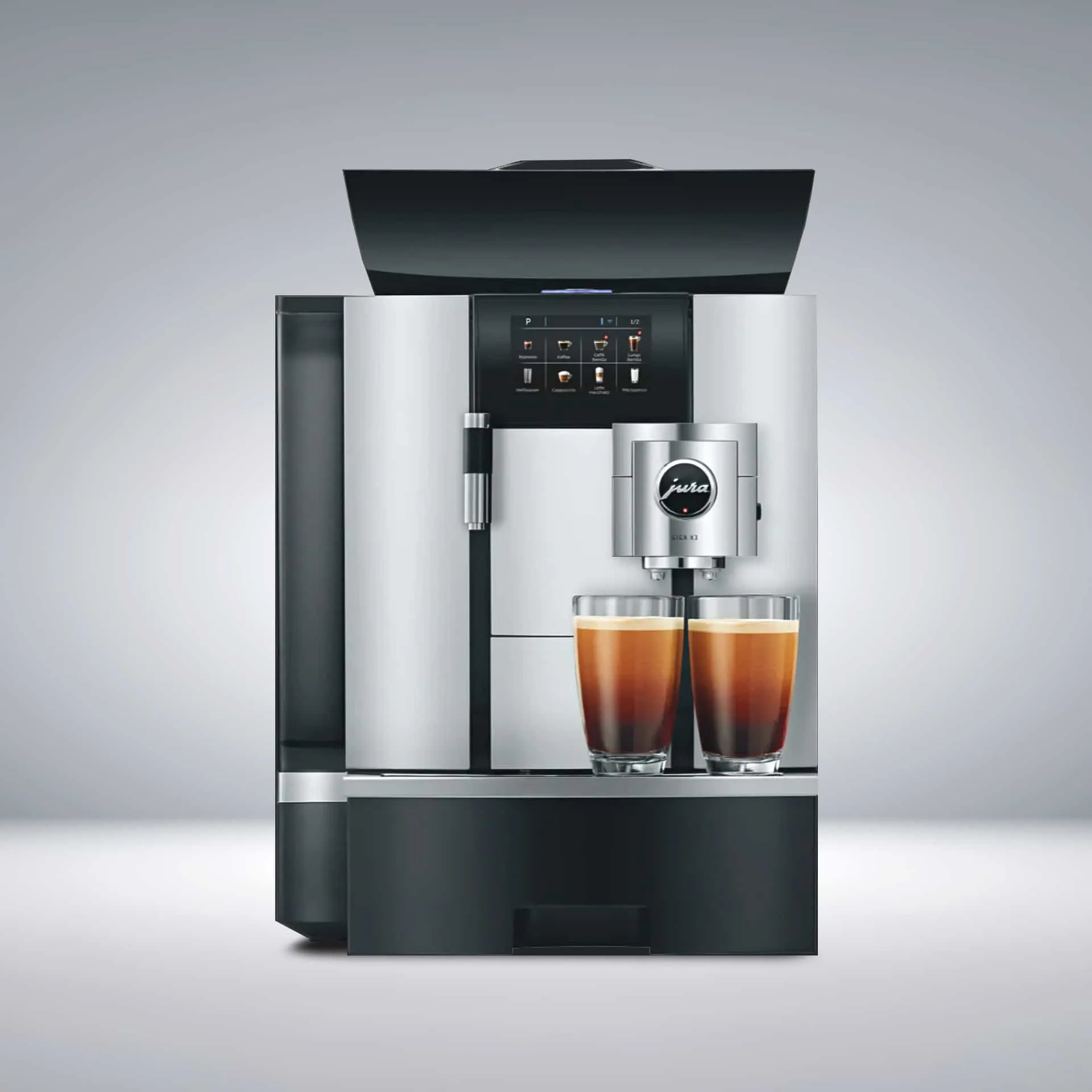
 Jura GIGA X3 GEN II
 Jura GIGA X8 - GEN II
 Jura W8 - GEN II
 Jura X10
 NECTA KALEA PLUS
 Rex-Royal S1
How to Upgrade Coffee Equipment for Your Workplace
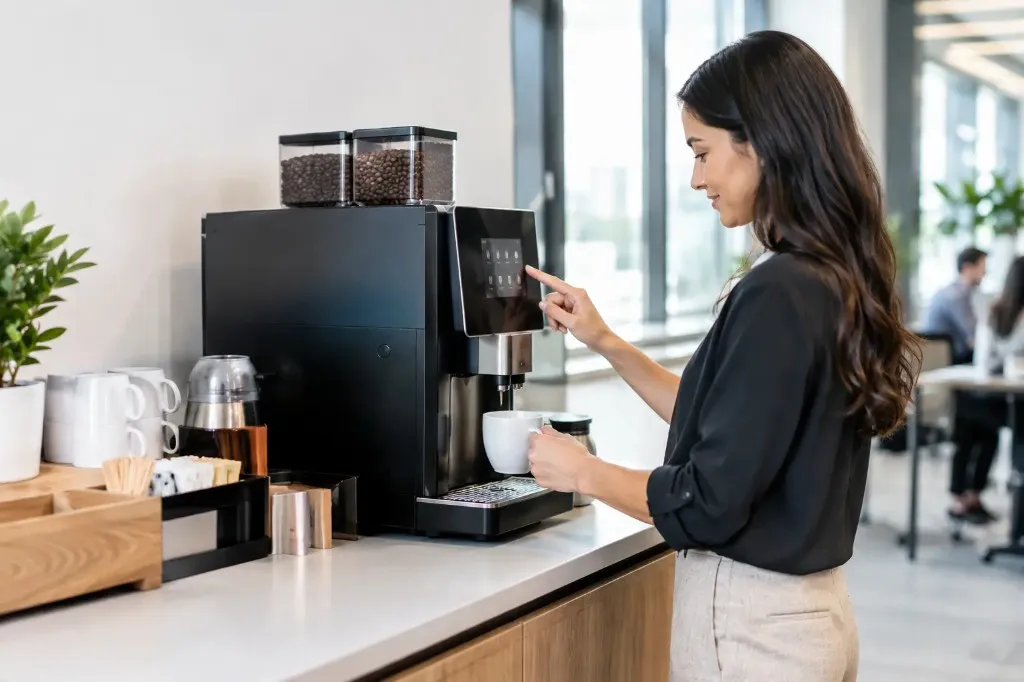
A coffee machine that creates a queue at 9am, runs out of milk before lunch or needs constant attention is no longer doing its job. Knowing how to upgrade coffee equipment starts with recognising that workplace coffee is an operational service, not simply an appliance on the kitchen counter. The right upgrade should improve the experience for employees and visitors while reducing the time your team spends refilling, cleaning and troubleshooting.
For offices, hotels, cafés and customer-facing spaces, a better machine can make a noticeable difference to daily routines. It can also protect your budget, provided the equipment is matched to genuine demand rather than chosen on appearance alone.
Start with the reason your current setup is falling short
Before comparing machines, identify what is actually causing frustration. A small bean-to-cup machine may produce excellent drinks, but it will struggle if 80 people want flat whites within the same half-hour. Equally, a high-capacity machine may be unnecessary in a small office where only 15 cups are served each day.
Look at the pattern behind the problem. Is the machine too slow at peak periods? Are drink choices limited? Is the milk system creating extra work? Does downtime mean staff buy coffee elsewhere? Or has headcount increased since the original machine was installed?
These details determine whether you need more capacity, better drink quality, fresh milk capability, a plumbed-in water supply or a more dependable maintenance arrangement. An upgrade is most successful when it fixes a specific operational issue rather than simply replacing old equipment with a newer version of the same thing.
Measure daily demand, not just team size
Team size is a useful starting point, but daily cup volume is the more valuable figure. A 50-person office where most people work remotely may use fewer drinks than a 25-person showroom welcoming clients throughout the day. Hotels and hospitality venues also need to account for service peaks, breakfast periods and seasonal demand.
As a practical exercise, estimate the number of coffees served on an average day, then consider the busiest hour. Your next machine needs sufficient output for both. A machine rated for the right daily volume but with a slow brewing cycle can still create a poor experience during the morning rush.
Also think ahead. If you expect to recruit, open more desks, extend customer opening hours or bring staff back into the office more regularly, build reasonable growth into the specification. Buying too close to your current limit often leads to another equipment change sooner than planned.
Consider peak demand and drink choice together
Capacity is not only about cups per day. Complex milk-based drinks take longer to prepare than black coffee, particularly on machines with manual steam wands or limited milk refrigeration. If lattes, cappuccinos and flat whites are popular, a commercial fresh milk bean-to-cup machine can offer a more consistent result with less pressure on staff.
For straightforward workplace service, a machine with one-touch drinks and automatic cleaning prompts may be the most sensible choice. In a café or hotel where presentation and barista control matter more, a traditional espresso setup may still be appropriate. The best option depends on who is making the drinks, how much time they have and what your guests expect.
Choose the right machine format for the space
Coffee equipment has to work with the practical realities of your site. Counter space, water access, drainage, ventilation and electrical capacity all matter. A machine that looks perfect in a brochure can become difficult to operate if there is no room for milk storage, bean refills or routine cleaning.
A plumbed-in machine is often a strong choice for busy workplaces because it removes the need to refill water tanks throughout the day. Where plumbing is impractical, a tank-fed commercial machine may be the better fit, provided the team can refill it easily. Fresh milk machines generally deliver a more premium drink than powdered milk systems, but they require suitable chilled milk storage and a clear cleaning routine.
Do not overlook the user experience either. Touchscreen menus, adjustable drink settings and clear cleaning instructions make a real difference in shared spaces. If visitors will use the machine without assistance, it should be intuitive enough to produce a consistent drink without a member of staff standing nearby.
Improve coffee quality alongside machine performance
New equipment cannot compensate for poor-quality beans or an inconsistent supply. If your business is upgrading to create a more premium staff or guest experience, the coffee itself should be part of the decision.
Freshly ground beans are central to a good bean-to-cup drink, but the blend needs to suit your audience. Some workplaces prefer a smooth, approachable coffee that works well with milk. Others want a more distinctive espresso offering for discerning customers. Bean choice, grinder settings and recipe calibration all influence the final cup.
Ask how supplies will be managed once the machine is installed. Running out of beans, milk cleaning fluid or cups can quickly undermine an otherwise excellent setup. A reliable replenishment plan helps keep service consistent and reduces the need for office managers or reception teams to place last-minute orders.
Factor in cleaning, maintenance and downtime
Every coffee machine needs care. The question is how much of that responsibility your team can reasonably manage. Daily rinsing, milk-system cleaning and emptying drip trays are normal tasks, but frequent faults or complicated deep-cleaning routines can become costly in staff time.
When comparing options, ask what is included after installation. A maintenance plan can cover preventative servicing, call-outs and replacement parts, depending on the agreement. This is particularly valuable for businesses where coffee is part of the customer experience and a machine out of action is more than a minor inconvenience.
It is also worth checking how quickly support is available and what happens if a repair cannot be completed immediately. A lower upfront equipment cost may look attractive, but it is rarely the best value if it leaves you managing unexpected repair bills or prolonged disruption.
Decide whether to rent, lease or buy
The right way to fund an upgrade depends on cash flow, contract preferences and how likely your requirements are to change. Purchasing can suit businesses that want to own the equipment outright and have a stable long-term need. It may offer lower overall cost over time, but it requires more capital at the outset.
Rental or leasing can spread the cost into predictable monthly payments and may make it easier to access a higher-specification machine. This can be particularly useful for growing offices, new hospitality sites and businesses that want to preserve capital for other priorities. Flexibility matters too: if headcount, cup volumes or premises change, being able to review the setup can be more useful than owning a machine that no longer fits.
Read the terms carefully. Check contract length, service inclusions, consumable commitments and options for upgrading or downgrading. The cheapest monthly figure is not always the most commercially sensible arrangement.
Use a site assessment to avoid expensive assumptions
A proper equipment recommendation should consider more than a preferred brand or a target price. It should account for your daily volume, menu requirements, available services, user type and budget. A site assessment can identify issues such as limited counter depth, awkward water access or a lack of room for a fridge before they become installation-day problems.
Full House Coffee takes this consultative approach because commercial coffee works best when the machine, beans and support plan are considered together. No pressure, just expert advice based on how your business actually operates.
Questions worth answering before you upgrade
You do not need to become a coffee technician, but having clear answers will speed up the process. Know roughly how many drinks you serve daily, the busiest serving period, the most popular drink types and whether a water connection is available. Be realistic about who will clean and maintain the machine, and set a budget that includes coffee, milk systems, servicing and consumables rather than focusing on equipment alone.
A thoughtful upgrade should make coffee easier to provide, not create a new task for an already busy team. Choose equipment that can handle your busiest day, produce drinks your people genuinely enjoy and come with support that keeps it working as expected. That is how a coffee point becomes a dependable part of the workplace rather than another item on the facilities manager’s list.