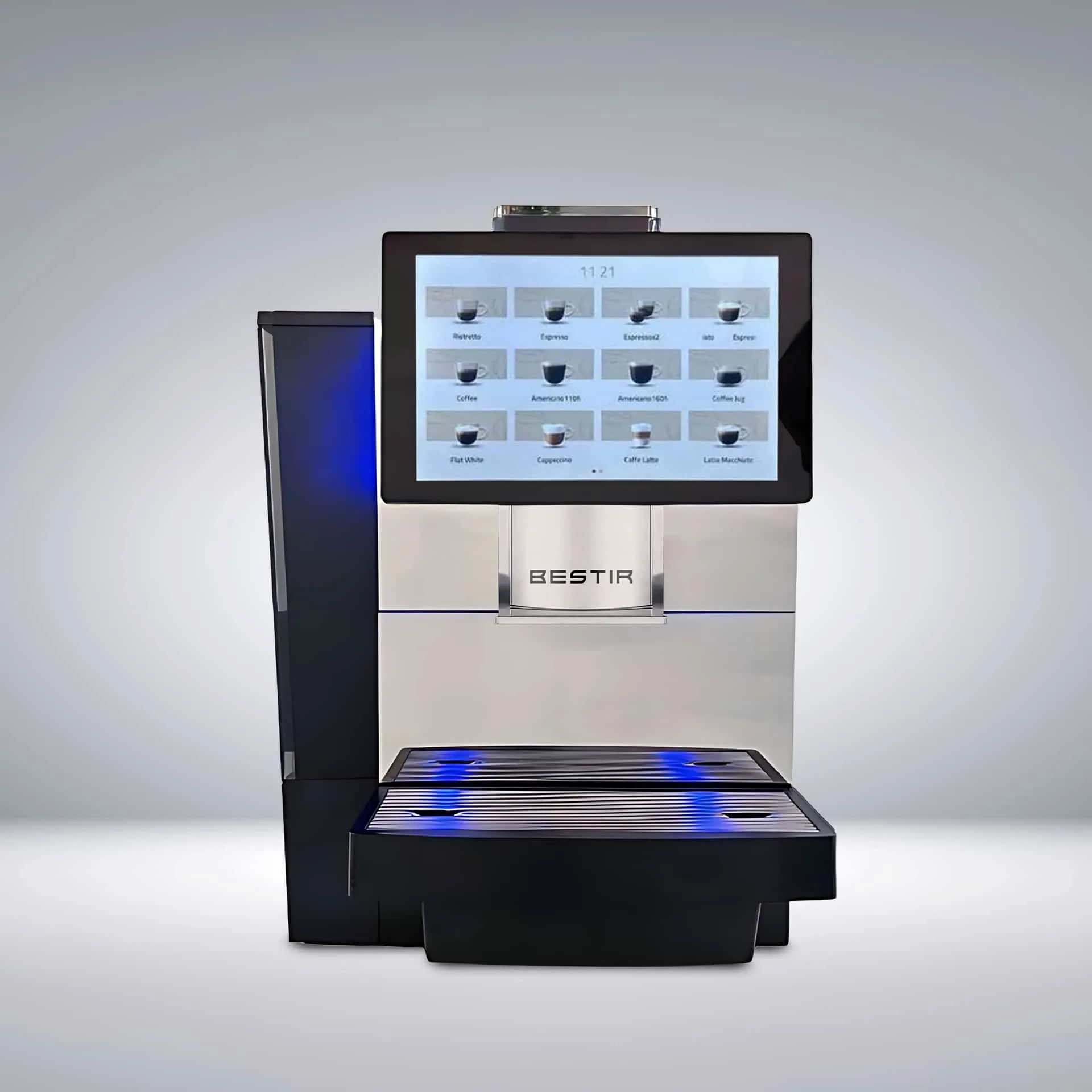
 BESTIR BM50
 BESTIR BM80
 BESTIR BMC300
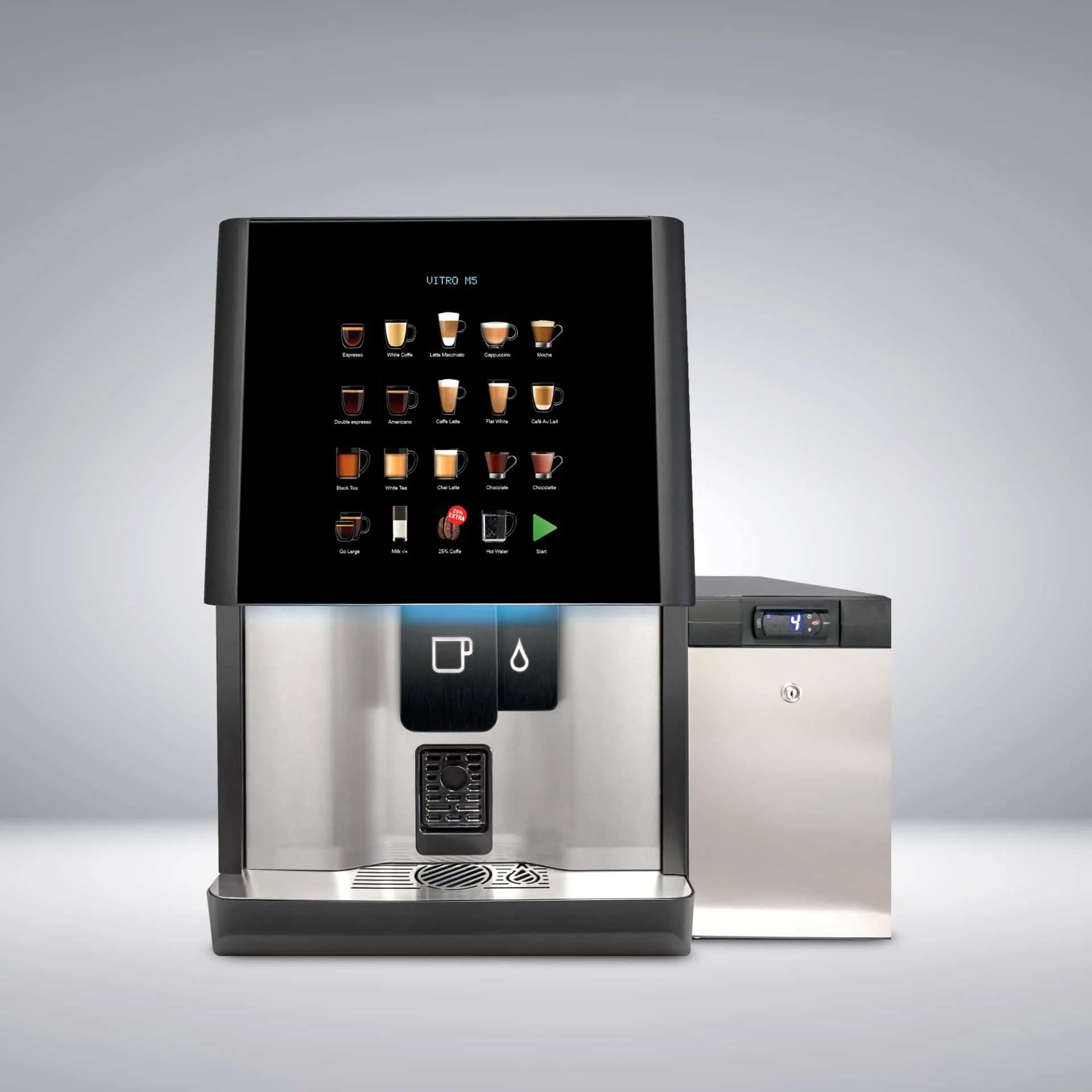
 Coffetek Vitro M5 MIA
 Coffetek Vitro S1
 Coffetek Vitro S1 MIA
 Coffetek Vitro X1 MIA
 Coffetek Vitro X3
 Primio Coffee Beans
 Espresso Coffee Beans
 Ultimo Coffee Beans
 Vero Coffee Beans
 Coffetek Vitro X4 ESP
 FRANKE A300 FM
 FRANKE A400
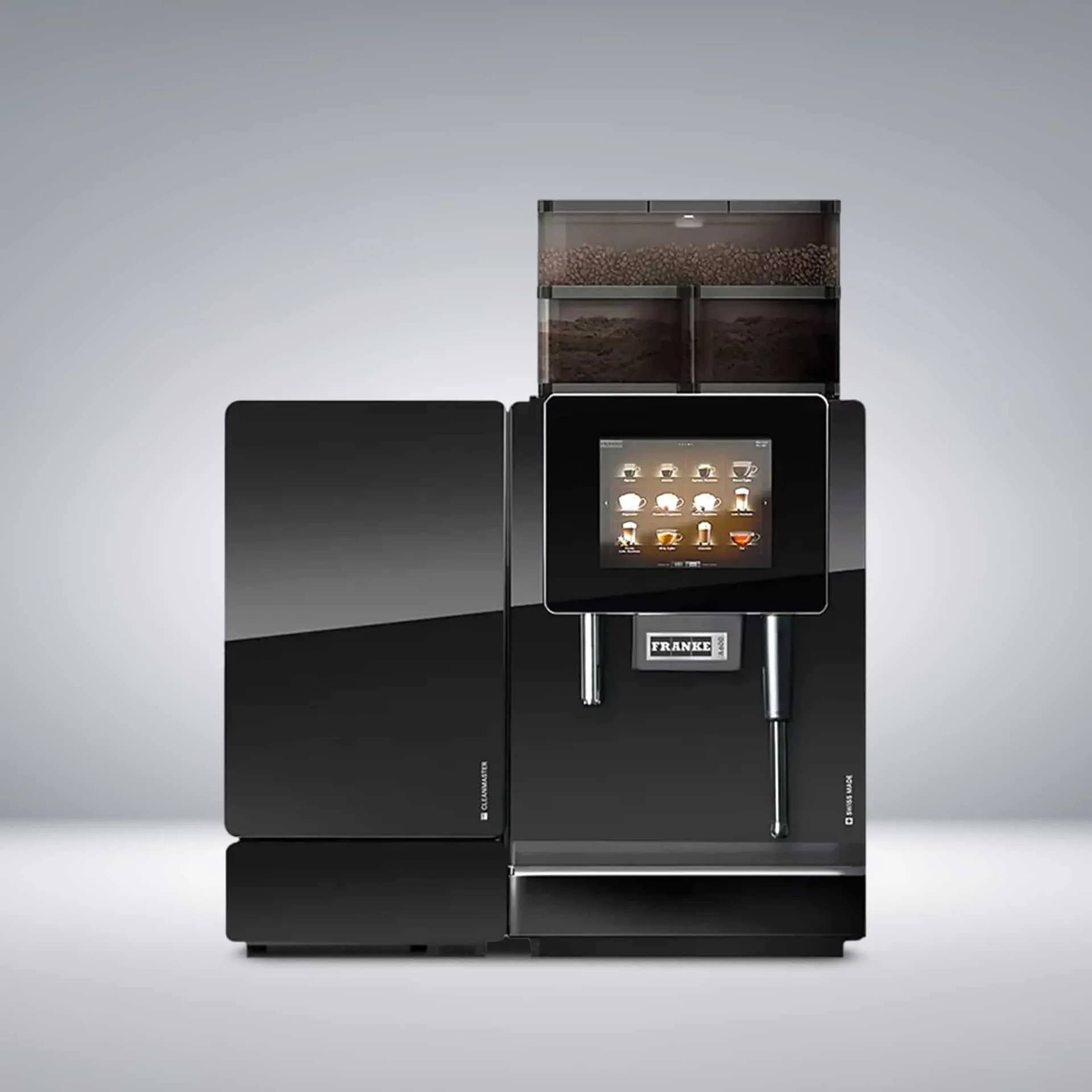
 FRANKE A600
 FRANKE A800
 Gaggia Milano LA BRILLANTE
 Gaggia Milano LA RADIOSA
 Gaggia Milano LA SOLARE
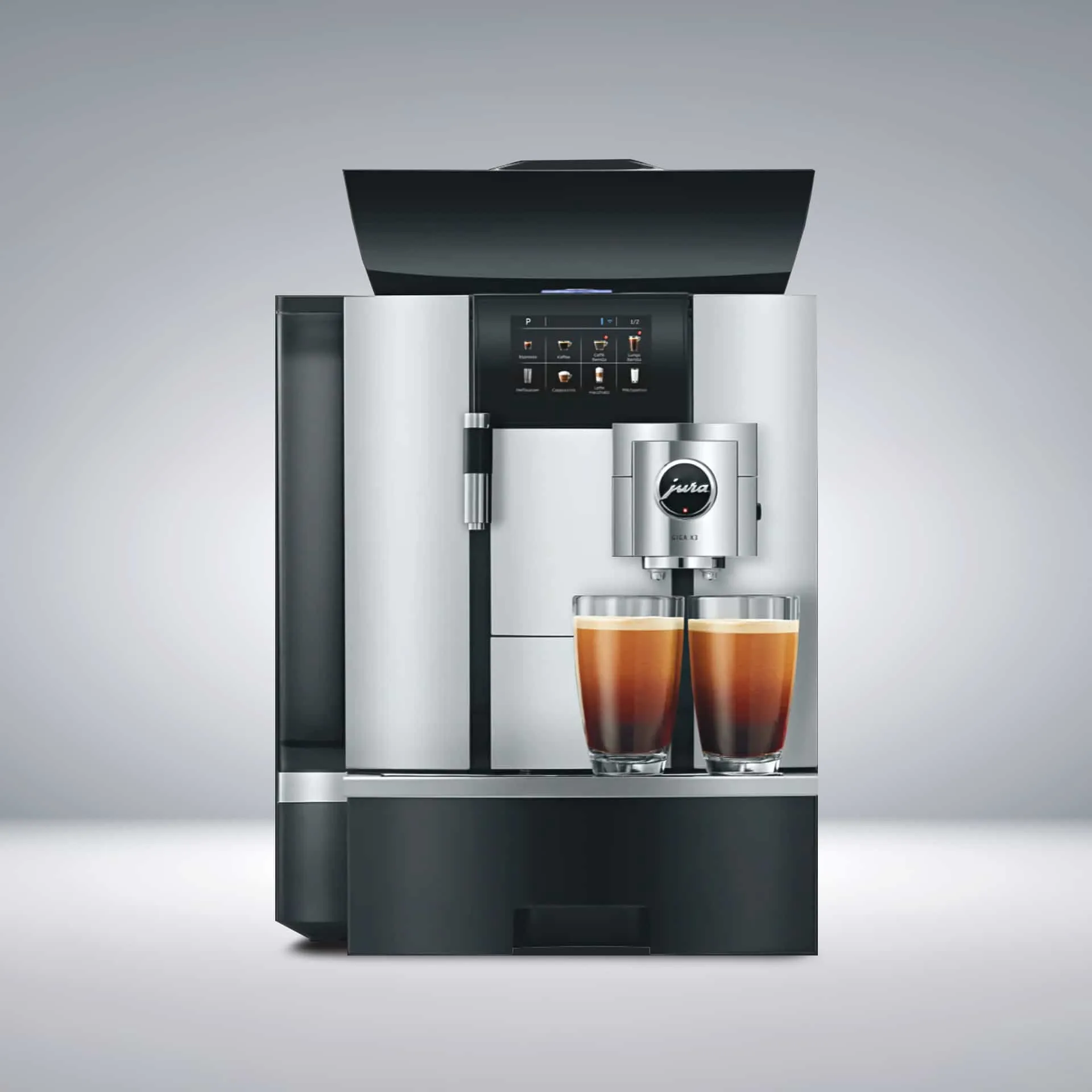
 Jura GIGA X3 GEN II
 Jura GIGA X8 - GEN II
 Jura W8 - GEN II
 Jura X10
 NECTA KALEA PLUS
 Rex-Royal S1
Commercial Machine Review for UK Workplaces
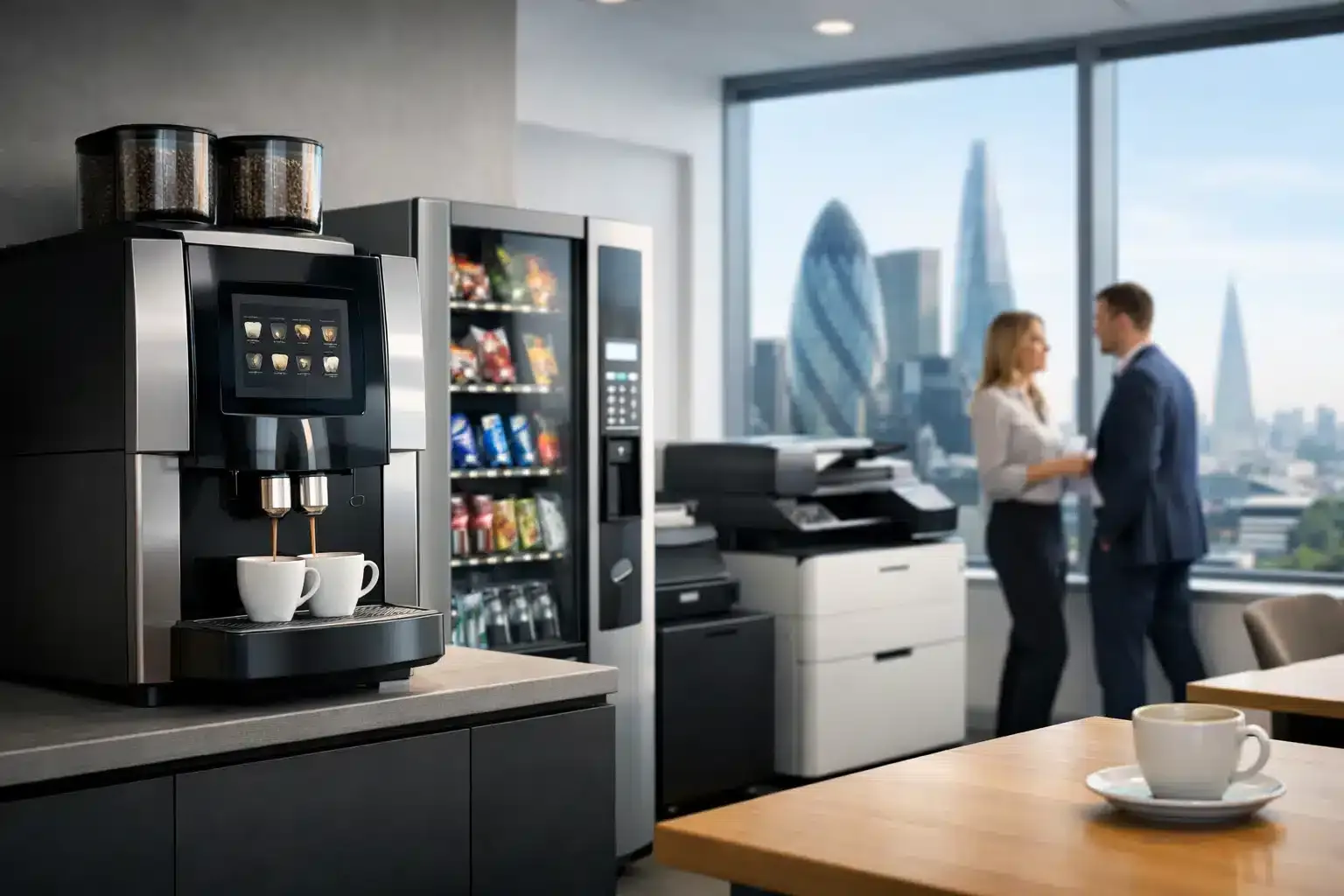
The difference between a coffee machine that looks right in a brochure and one that performs at 8.45am is usually revealed by demand. A useful commercial machine review should look beyond drink menus and finishes to assess cup volume, milk requirements, cleaning time, available space and the level of support behind the machine.
For offices, hotels, showrooms and customer-facing businesses, coffee is not a minor detail. It affects employee breaks, client perception and the smooth running of busy mornings. The right commercial coffee machine gives people a consistently good drink without giving your team another process to manage.
What a commercial machine review should tell you
A domestic-style review often focuses on taste, design and one person's experience. Commercial buying needs a wider view. The question is not simply whether the machine makes a good flat white. It is whether it can make the right number of flat whites, americanos and cappuccinos throughout the day, while staying clean, stocked and dependable.
Start by looking at practical capacity. This includes expected cups per day, peak-time demand, bean hopper size, grounds bin capacity and water supply. A machine rated for 100 cups daily may sound generous for an office of 50 people, but that calculation changes quickly if visitors are offered coffee, several colleagues drink two or three cups, or demand is concentrated before meetings.
A machine should also suit the person using it. In a self-service office kitchen, a clear touchscreen and automatic rinse programmes can matter more than barista-style controls. In a hotel lounge or showroom, drink presentation, menu choice and fresh milk quality may carry more weight.
Start with cups, not headcount
Headcount is a helpful starting point, not a final specification. Ask how many drinks are likely to be made on an average day, then consider the busiest 30-minute period. A 40-person office with client meetings may need more capacity than a 100-person workplace where most staff work remotely.
It is sensible to allow room for growth too. Choosing a machine that is permanently working at its limit can lead to slower service, more frequent emptying and unnecessary wear. Equally, buying far beyond your actual requirements means paying for capacity and features that do not improve the experience.
Match the milk system to the setting
Milk is often where commercial machine comparisons become most meaningful. Fresh milk systems produce the texture and flavour many people expect from cappuccinos, lattes and flat whites. They are particularly well suited to premium offices, hospitality spaces and businesses where customer experience is central.
The trade-off is daily care. Fresh milk must be stored correctly and the milk system must be cleaned according to the machine's requirements. A machine with an integrated fridge can keep the set-up tidy, while a larger under-counter or side fridge may be better for higher-volume locations.
Powdered milk machines can be a practical alternative where ease, speed and lower daily handling are priorities. They are often well suited to larger shared spaces, sites with limited kitchen facilities or teams that need a straightforward self-service offer. The best choice depends on the standard of drink you want to serve and who will look after the equipment.
Comparing the main commercial machine options
Bean-to-cup machines are the natural choice for many workplaces because they grind whole beans for each drink and automate the brewing process. They provide a broad menu with consistent results, making them a strong fit for offices, reception areas, gyms, showrooms and hotel breakfast spaces.
For a smaller office with modest demand, a compact bean-to-cup machine may offer excellent value. It takes up less counter space and gives staff a better alternative to instant coffee without overcomplicating the set-up. Check that its water tank, hopper and waste capacity will not require constant attention during the working day.
For busy offices and hospitality environments, look for larger bean hoppers, bigger waste containers, high-capacity boilers or heating systems, and a plumbed-in water option. A direct water connection reduces refilling and helps maintain service during peak demand. It does require suitable access to water and drainage considerations during installation, so a site assessment is worthwhile before committing.
Traditional espresso machines still have a place in cafés and venues with trained staff. They offer greater manual control and can produce excellent coffee, but they need skilled operation, a separate grinder and more active cleaning. They are not usually the best answer for an unattended office coffee point.
A commercial machine review should therefore compare the operating model as much as the machine itself. Automation is valuable when convenience and consistency matter. Manual equipment makes sense when you have the staff capability and want more control over the final drink.
Look past the purchase price
The lowest upfront price is rarely the lowest long-term cost. Consider installation, water filtration, coffee beans, milk, cleaning products, servicing and the time your team will spend maintaining the machine. A slightly higher-specification machine may prove better value if it reduces daily intervention and avoids disruption during busy periods.
How you acquire the equipment matters too. Buying can suit businesses with capital available and a settled long-term requirement. Leasing or rental can spread costs and preserve flexibility, particularly for growing teams, temporary sites or businesses that expect their coffee demand to change.
Flexible arrangements are useful because coffee requirements are rarely static. An office may expand, a hotel may add a breakfast area, or a showroom may begin hosting more client events. The ability to upgrade or downgrade equipment can be more commercially sensible than locking into a machine that only fits today's numbers.
Service support is part of the specification
A machine can have impressive output figures and still be the wrong choice if there is no clear plan for support. Ask what happens when the machine needs attention, whether maintenance can be included, how consumables are supplied and who is responsible for routine cleaning.
Preventative maintenance is particularly valuable for high-use fresh milk and bean-to-cup machines. Regular checks can help maintain drink quality, identify wear before it causes a failure and keep the machine hygienic. Water filtration also deserves attention, especially in hard-water areas, as scale can affect taste, performance and component life.
Coffee supply should be considered alongside equipment. Good beans matched to the machine settings make a noticeable difference, but consistency matters just as much. A reliable replenishment arrangement avoids the familiar frustration of a well-equipped coffee station with an empty hopper on a Monday morning.
Questions to ask before choosing a machine
Before approving a proposal, be clear on the number of daily cups, the proportion of milk drinks, the busiest service period and the available counter space. Confirm whether a plumbed-in installation is possible, who will complete daily cleaning, and whether the machine's menu matches what staff or guests actually order.
It is also worth asking for a realistic view of what is included. Does the quoted price cover delivery and installation? Are filters, cleaning materials, servicing and call-outs included or charged separately? Is there a replacement or repair process if the machine is unavailable? Clear answers make it easier to compare proposals fairly.
At Full House Coffee, the most effective recommendation starts with these operational details rather than a hard sell. No pressure, just expert advice on the machine, coffee supply and support level that fits the way your business works.
The best commercial coffee set-up is one your people barely have to think about: good beans, quick drinks, straightforward cleaning and dependable help when it is needed. A short assessment of your site and daily demand now can prevent years of underpowered coffee service later.