 BESTIR BM50
 BESTIR BM80
 BESTIR BMC300
 Coffetek Vitro M5 MIA
 Coffetek Vitro S1
 Coffetek Vitro S1 MIA
 Coffetek Vitro X1 MIA
 Coffetek Vitro X3
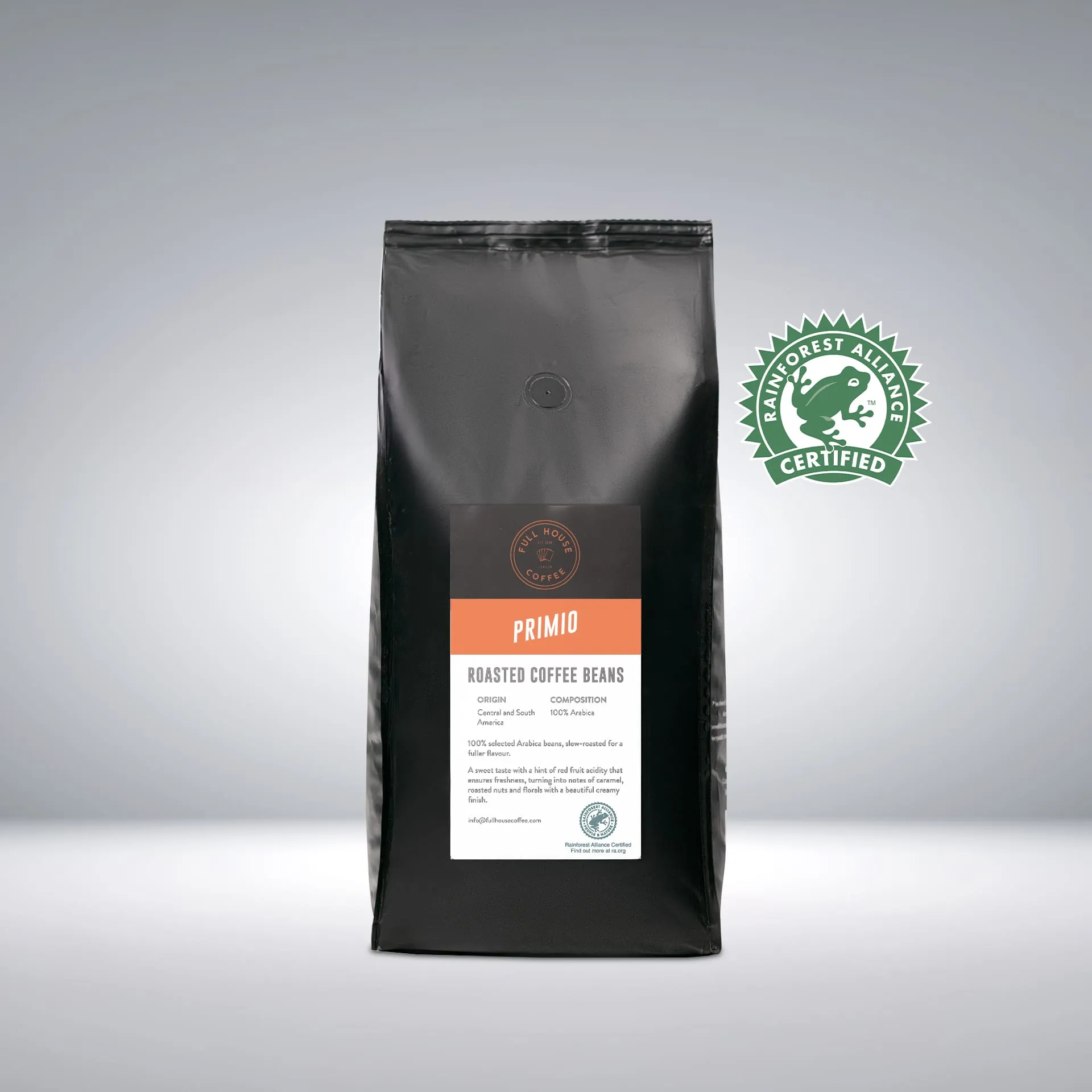
 Primio Coffee Beans
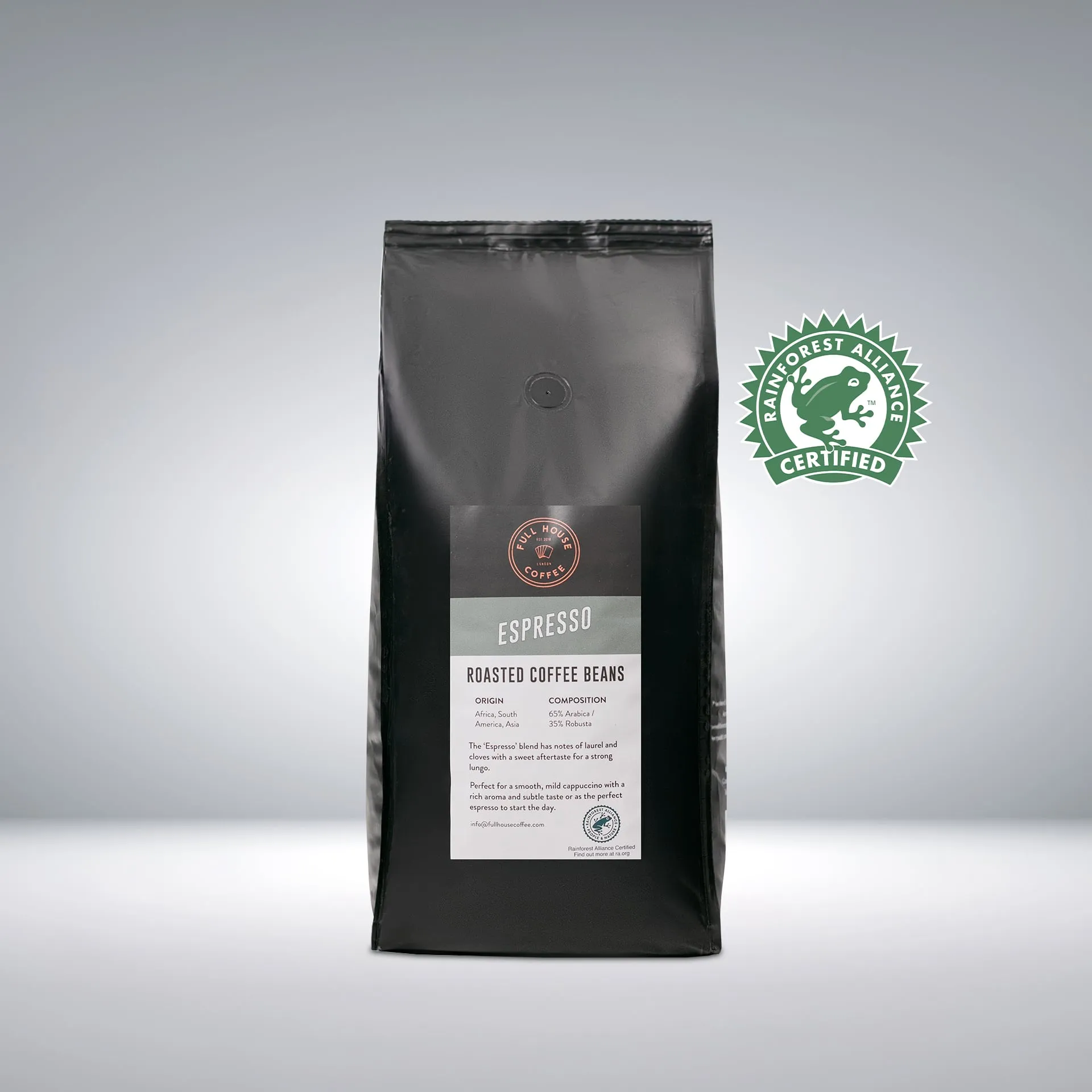
 Espresso Coffee Beans
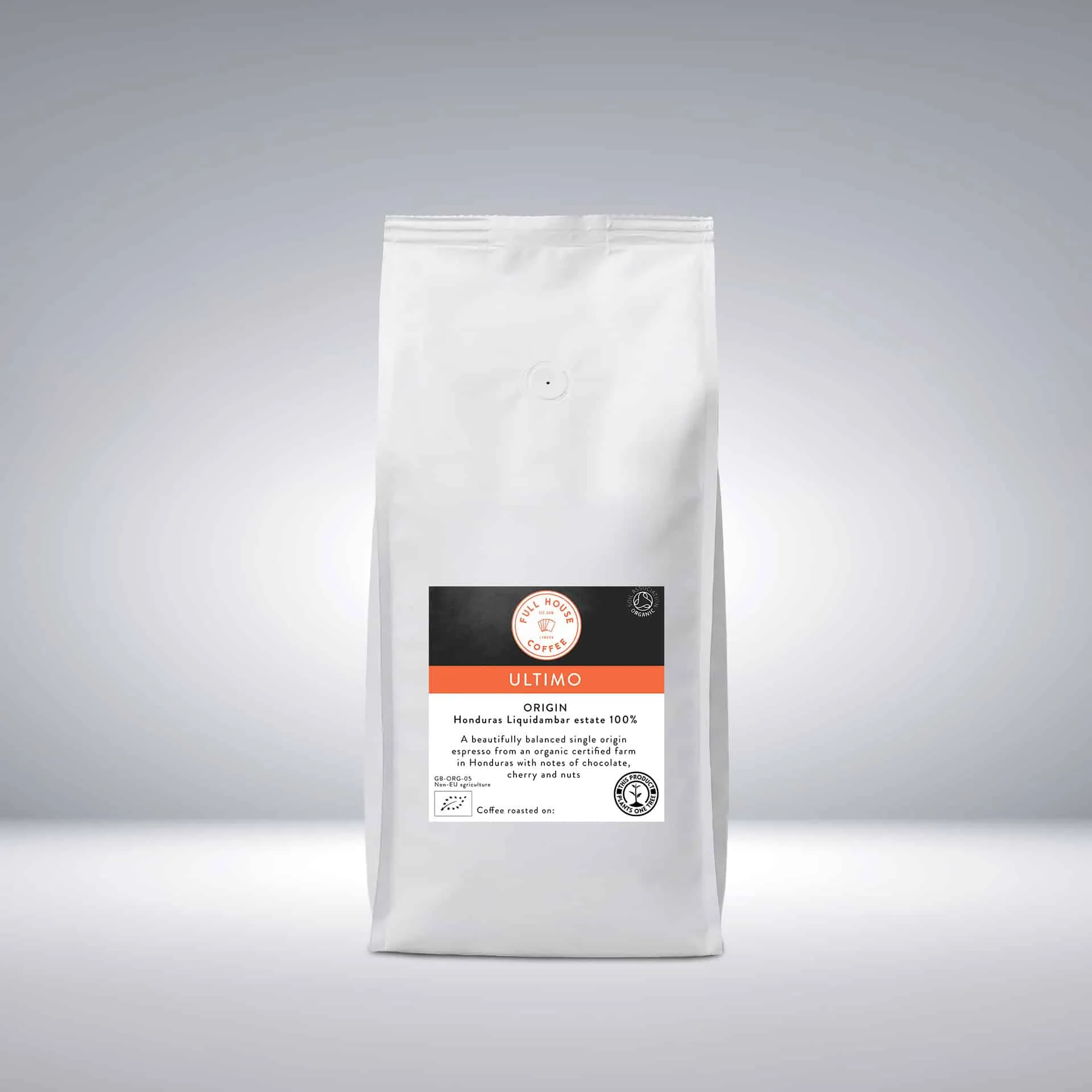
 Ultimo Coffee Beans
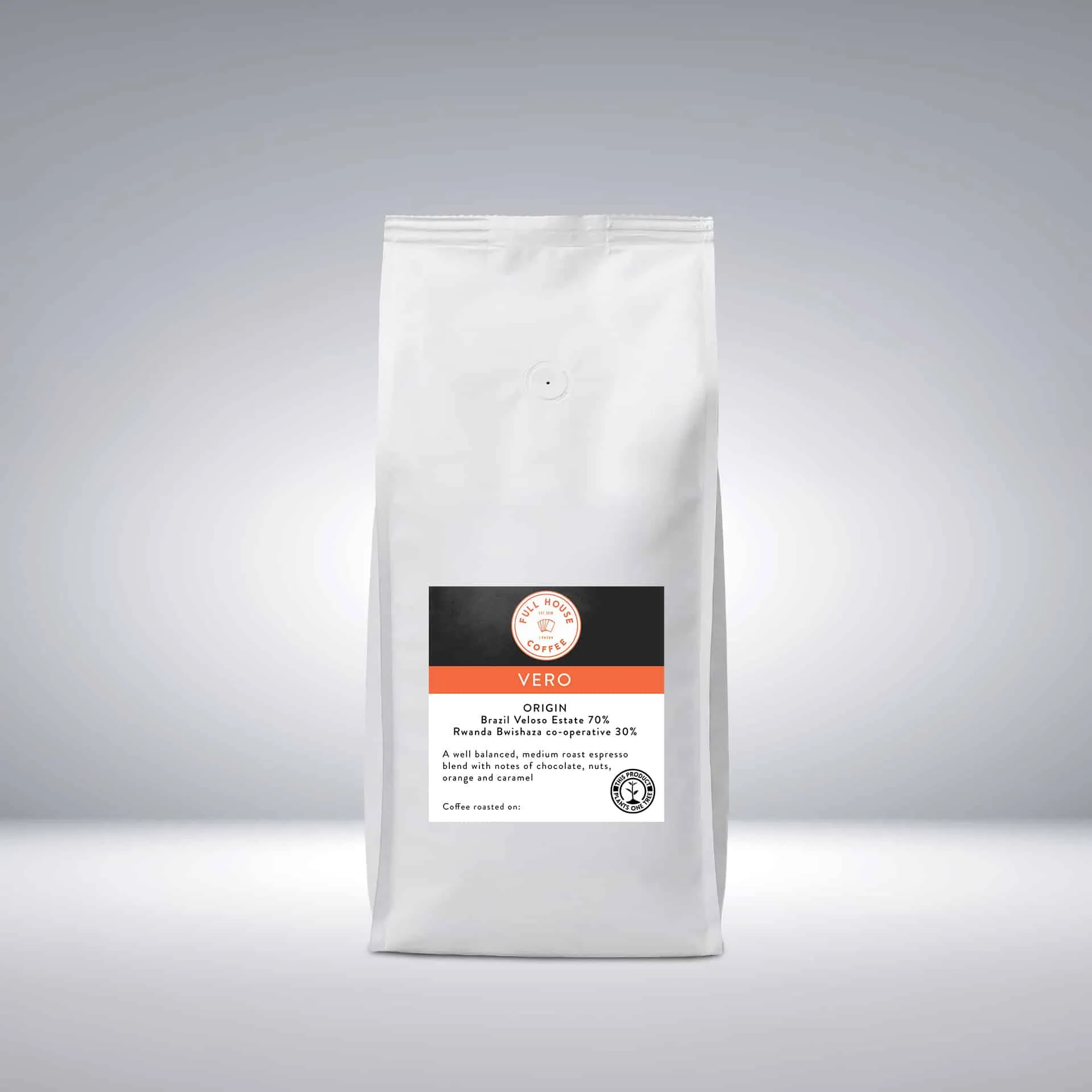
 Vero Coffee Beans
 Coffetek Vitro X4 ESP
 FRANKE A300 FM
 FRANKE A400
 FRANKE A600
 FRANKE A800
 Gaggia Milano LA BRILLANTE
 Gaggia Milano LA RADIOSA
 Gaggia Milano LA SOLARE
 Jura GIGA X3 GEN II
 Jura GIGA X8 - GEN II
 Jura W8 - GEN II
 Jura X10
 NECTA KALEA PLUS
 Rex-Royal S1
How to Select Coffee Beans for Your Workplace

The bean that tastes brilliant as a flat white in a small café can be a poor fit for a 150-person office. When deciding how to select coffee beans for a workplace, the goal is not simply to find the most expensive bag or the darkest roast. It is to choose coffee that your people and guests will enjoy, that works reliably in your machine, and that remains practical to replenish as demand grows.
A consistently good cup makes a difference. It gives staff a proper break, helps visitors feel looked after and turns the morning queue into something worth joining. Coffee: turning “leave me alone” into “let’s get to work” since forever.
How to select coffee beans for commercial use
Start with the setting, not the tasting notes on the packet. A boardroom, a busy reception area, a hotel breakfast service and a staff kitchen all have different patterns of use. The right beans need to suit the people drinking them, the menu your machine is producing and the number of cups expected each day.
For most professional environments, a well-balanced bean is the safest starting point. It should taste satisfying as a straight espresso but retain its character when combined with milk. Very light, delicate coffees can be exceptional in the right hands, but their acidity may feel sharp in an automatic machine or disappear beneath a large latte. Very dark roasts can deliver a strong, familiar profile, although they may taste bitter if the machine settings are not carefully managed.
The most dependable choice is often a medium or medium-dark roast with chocolate, caramel, nut or gentle fruit notes. This profile is approachable for a wide range of drinkers and performs well in espresso-based drinks such as americanos, cappuccinos, lattes and flat whites.
Think about who will be drinking it
A workplace coffee offer needs broad appeal. If your team contains committed espresso drinkers, you may want more depth, body and complexity. If most drinks are milky and sweetened, a smooth, fuller-bodied blend usually offers better results than a bright, lightly roasted single origin.
Consider your guests too. A client-facing showroom or hotel lounge may benefit from a more distinctive premium coffee, particularly where the drink is part of the overall experience. In a high-volume office, consistency and familiarity may matter more than an unusual flavour profile.
There is no universal “best” bean. The best choice is the one that people return to, rather than the one that sounds most impressive on a tasting card.
Choose a roast profile that suits your menu
Roast level has a major effect on flavour, body and how coffee behaves in a bean-to-cup machine. It is helpful to understand the broad differences before selecting a supply.
Light roasts preserve more of the bean’s origin character. They can offer floral, citrus or berry-like notes, but they are usually less forgiving in milk-heavy drinks and may require more precise grinding and extraction. They are better suited to specialist coffee bars than a general workplace machine.
Medium roasts provide balance. They are likely to show sweetness and flavour definition without becoming too acidic or too smoky. For many offices and hospitality venues, this is the most versatile option.
Medium-dark and dark roasts bring more body, lower perceived acidity and flavours such as cocoa, toasted nuts and dark caramel. They stand up well to milk and can provide the stronger taste many coffee drinkers expect. However, an overly dark roast can create bitter flavours and leave more oily residue in a grinder, increasing cleaning requirements.
If your menu is built around flat whites, lattes and cappuccinos, a medium-dark blend is often a sensible commercial choice. If americanos and espressos are more popular, a medium roast may give a cleaner, more balanced cup.
Blend versus single origin
A single-origin coffee comes from one country, region or farm. It can offer a distinctive story and a clear flavour identity, which can work well in a premium café or a venue where staff can explain the coffee to customers. The trade-off is that seasonal availability and flavour can vary from one crop to the next.
Blends combine beans from different origins to create a consistent target profile. For commercial coffee service, that consistency is valuable. A good blend is designed to taste familiar and balanced throughout the year, helping you deliver the same quality across hundreds of cups.
That does not make blends less premium. In fact, many high-quality espresso blends are carefully developed for sweetness, crema, body and performance with milk. For workplaces, hotels and busy customer areas, a quality blend is usually the more reliable starting point.
Check freshness, packaging and storage
Coffee is at its best when it has had time to rest after roasting but has not sat around for months. Freshly roasted beans release carbon dioxide during the first few days, so immediate use is not always ideal. In most cases, coffee begins to perform very well after roughly one to two weeks and can remain enjoyable for several weeks when stored correctly.
Look for a clear roast date rather than relying only on a best-before date. Choose beans supplied in properly sealed bags with one-way valves, which allow gas to escape without allowing excessive air in.
Once opened, keep beans in their original sealed bag or an airtight, opaque container, away from heat, sunlight and strong smells. Do not store coffee beans in the fridge. Condensation and odours can affect their flavour. For a busy workplace, it is generally better to order manageable quantities regularly than to buy a large volume that will be open for too long.
Match the beans to the coffee machine
A commercial bean-to-cup machine can produce excellent coffee, but it relies on the right bean and sensible settings. Bean quality matters, but compatibility matters too.
Avoid beans that are heavily coated in flavourings or exceptionally oily. Flavoured coffee can contaminate grinders and affect every subsequent drink. Very oily dark-roasted beans can build up in the grinder and brewing unit, causing inconsistent grinding and more frequent cleaning. This does not mean all dark beans are unsuitable, but it is worth selecting a roast intended for espresso equipment.
Your grinder setting, dose, water quality and cleaning routine will all influence the result. If a coffee tastes sour, weak or overly bitter, the bean may not be the problem. The grind may be too coarse or fine, the recipe may need adjustment, or the machine may need cleaning and calibration.
This is why bean selection should be tested with the machine you will actually use. A sample brewed on a manual espresso machine is useful, but it does not tell you exactly how that coffee will perform through an automatic machine across a busy working day.
Factor in cup volume and cost per drink
A premium coffee offer should be commercially sensible as well as enjoyable. Rather than looking only at the price per kilogram, consider the cost per cup. This depends on the machine dose, usually measured in grams, as well as waste, drink choice and the number of milk-based beverages served.
For example, a slightly higher-priced bean may offer a better extraction, stronger flavour and more satisfying cup. That can reduce the temptation for users to make double drinks or add excessive syrups and toppings. On the other hand, an expensive, delicate coffee may not justify its cost in a high-volume kitchen where most drinks are large lattes.
Estimate daily consumption before agreeing a supply plan. A small office may need only a few kilograms per month, while a hotel, café or showroom can move through stock much faster. Regular deliveries help maintain freshness and prevent the awkward moment when the hopper runs dry before a client meeting.
Test before making a long-term decision
Tasting is essential, but make it realistic. Test shortlisted beans as espresso, americano and milk-based drinks. Ask a cross-section of staff or customers for feedback rather than relying on one person’s preference. You are looking for a clear favourite, but also for a coffee that few people actively dislike.
During a trial, pay attention to more than flavour. Check crema, consistency from drink to drink, how easily the machine grinds the beans and whether the coffee remains pleasant after the machine has been busy for several hours. A bean that delivers a great first cup but becomes inconsistent under demand can create unnecessary operational headaches.
It is also sensible to consider whether your supplier can keep pace with your requirements. A dependable supply arrangement, machine support and the ability to adjust your bean order as your needs change are often more valuable than chasing a marginal difference in price.
A good coffee bean choice should make your workplace feel considered without creating another job for the facilities team. If you are weighing flavour, machine compatibility, volume and budget, Full House Coffee can help you test the practical options with no pressure, just expert advice. The right coffee is the one your team enjoys on an ordinary Tuesday, delivered reliably enough that it is ready for every meeting, visitor and much-needed morning reset.