 BESTIR BM50
 BESTIR BM80
 BESTIR BMC300
 Coffetek Vitro M5 MIA
 Coffetek Vitro S1
 Coffetek Vitro S1 MIA
 Coffetek Vitro X1 MIA
 Coffetek Vitro X3
 Primio Coffee Beans
 Espresso Coffee Beans
 Ultimo Coffee Beans
 Vero Coffee Beans
 Coffetek Vitro X4 ESP
 FRANKE A300 FM
 FRANKE A400
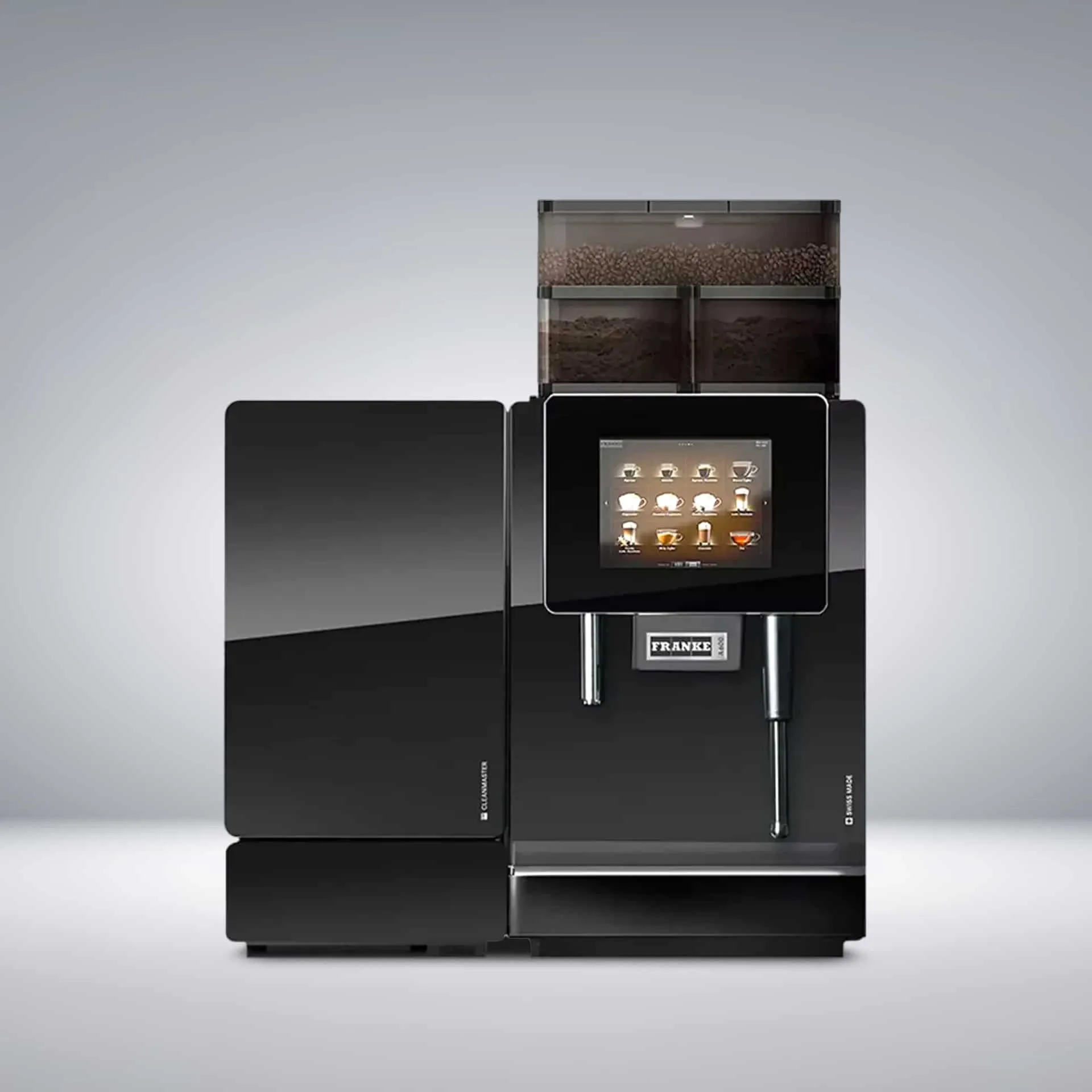
 FRANKE A600
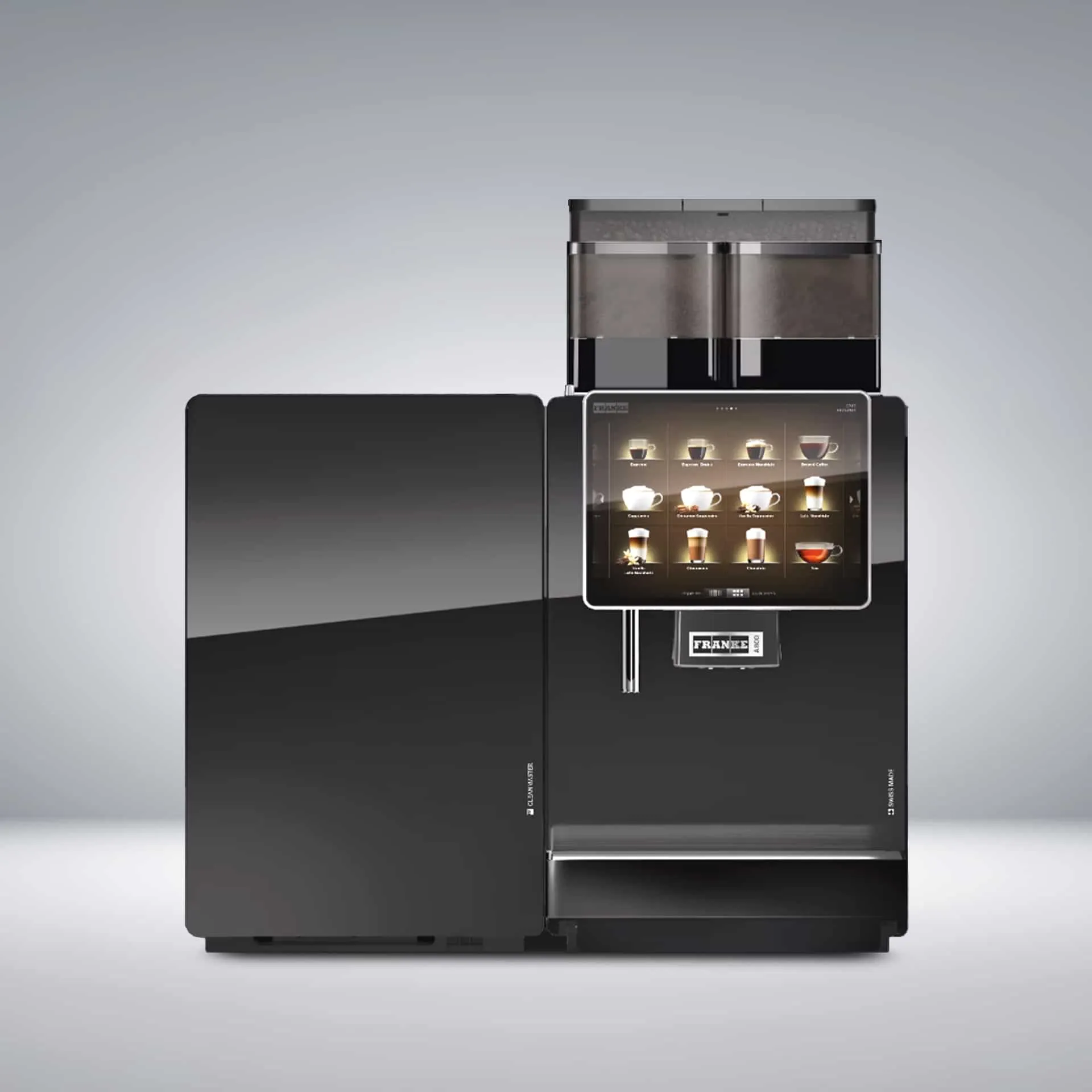
 FRANKE A800
 Gaggia Milano LA BRILLANTE
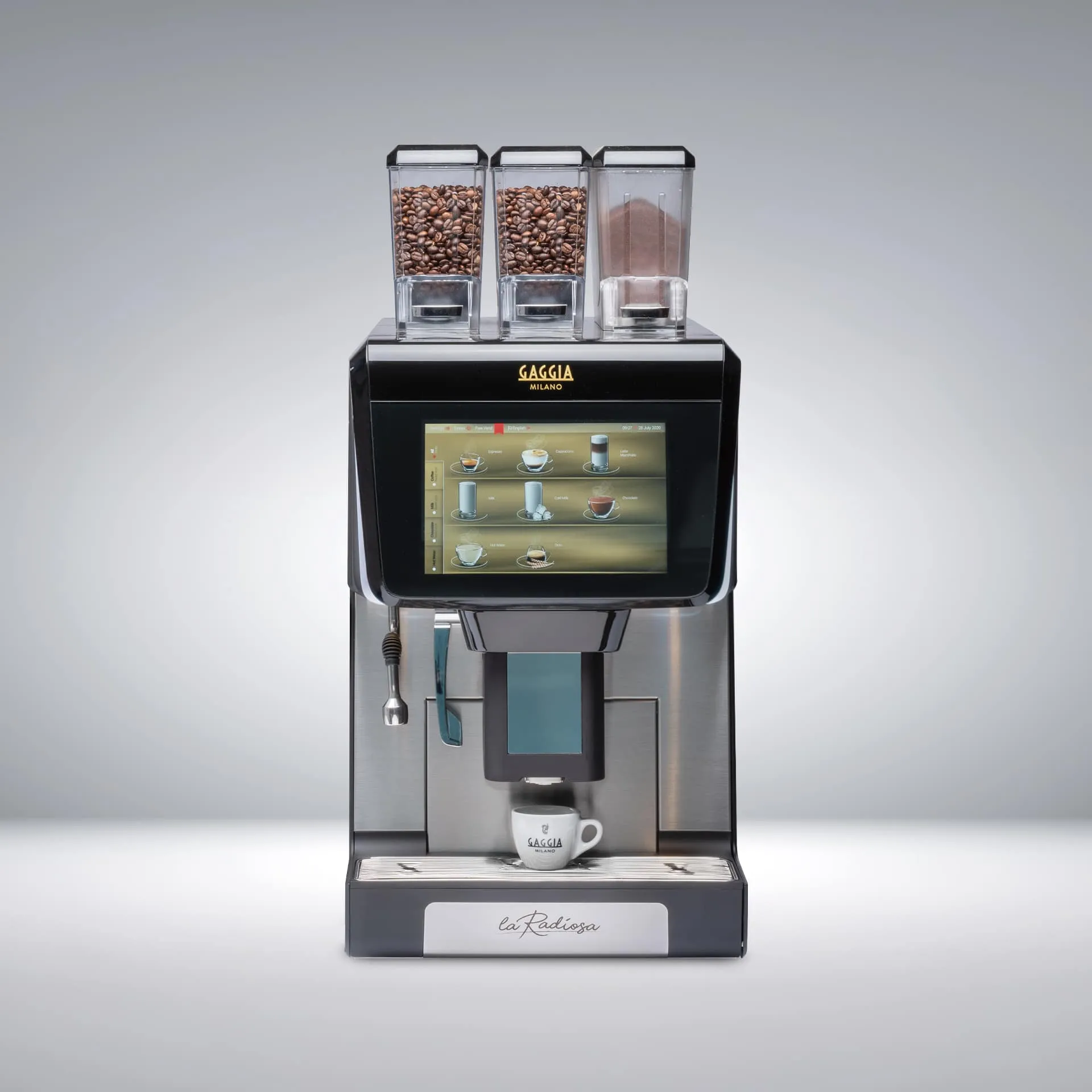
 Gaggia Milano LA RADIOSA
 Gaggia Milano LA SOLARE
 Jura GIGA X3 GEN II
 Jura GIGA X8 - GEN II
 Jura W8 - GEN II
 Jura X10
 NECTA KALEA PLUS
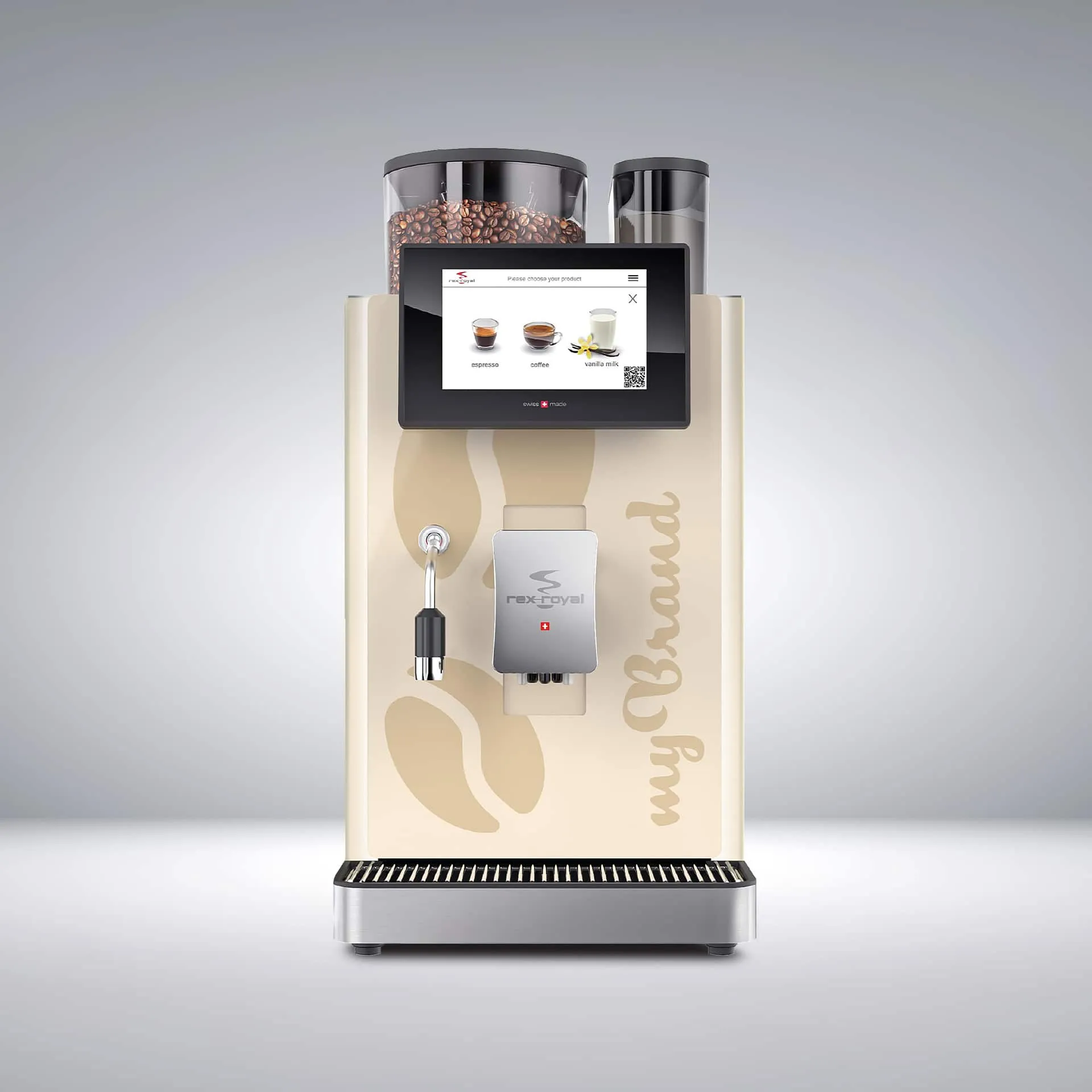
 Rex-Royal S1
Choosing a Hotel Coffee Machine Supplier
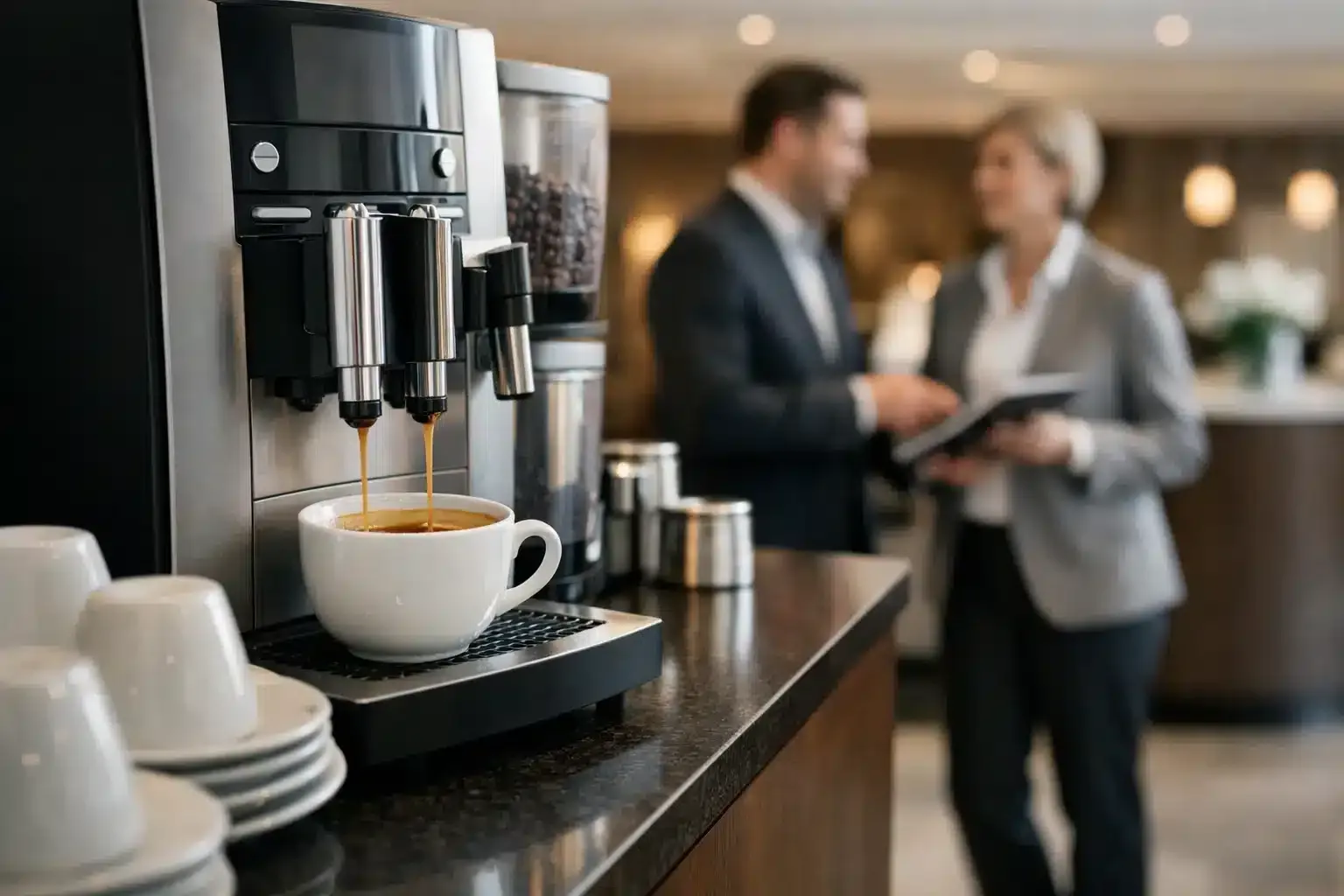
A hotel coffee machine supplier is not simply there to deliver a machine and leave it on the counter. The right partner helps protect one of the moments guests notice most: their first coffee of the day, a quick drink between meetings, or a relaxed espresso after dinner. When service is busy, an unreliable machine, poor milk quality or a confusing operating routine can quickly become a problem for guests and staff alike.
For hotel operators, coffee needs are rarely identical across the building. Breakfast rooms need speed. Reception and lounges need consistency and an attractive presentation. Conference spaces may need high output for short, intense periods. The best supplier starts with those realities, then recommends equipment, commercial terms and support that suit the way your hotel actually operates.
What a hotel coffee machine supplier should assess
The most useful recommendation begins with a proper conversation, not a one-size-fits-all product list. A supplier should ask where the machine will sit, who will use it, how many drinks it is likely to make and what standard of coffee your guests expect.
Daily cup volume is a key starting point. A compact bean-to-cup machine may be a sensible choice for a small reception area or executive lounge with modest demand. A breakfast service serving 100 guests in a short window needs a more capable machine, with larger bean and milk capacity, quicker drink delivery and a waste container that does not need emptying halfway through service.
Space and utilities matter just as much. Countertop dimensions, access for refilling and cleaning, drainage options and the availability of a mains water connection can all affect which model is appropriate. A plumbed-in machine can reduce the work of topping up water during a busy breakfast shift, but it is not always practical in a listed building, a temporary event area or a compact back bar.
A good supplier will also consider your menu. If guests primarily order americanos and espresso, a machine can be selected around black coffee output and bean quality. If cappuccinos, flat whites and lattes are central to your offer, milk performance becomes more important. Fresh milk systems deliver the café-style texture many hotels want, although they require disciplined daily cleaning and suitable chilled milk storage. Powder milk options can be faster to manage in some self-service settings, but there is a trade-off in drink quality and guest perception.
Choosing the right hotel coffee machine supplier for each area
Hotels often get better results by treating each service point separately. One machine type rarely gives the best answer everywhere.
Breakfast rooms and restaurants
Breakfast is unforgiving. Guests arrive in clusters, staff are managing multiple tasks and a queue at the coffee station can affect the whole room. Look for commercial bean-to-cup machines built for sustained output, with multiple drink selections, large hoppers and straightforward cleaning programmes.
For self-service stations, the screen and menu need to be intuitive enough for guests to use without assistance. For table service or bar use, staff may value more control over recipes and presentation. Either way, speed must not come at the expense of coffee quality. Freshly ground beans, sensible recipe calibration and reliable milk delivery make a meaningful difference to the cup.
Reception, lounges and executive spaces
Coffee at reception is part of the welcome. In a lounge, it is part of the reason guests stay a little longer. These locations usually call for a machine that looks professional, offers a broad menu and produces consistent drinks with minimal intervention from front-of-house teams.
A fresh milk bean-to-cup machine is often a strong fit for premium guest areas, particularly where barista-style drinks are expected without employing a dedicated barista. Consider the noise of the grinder too. A machine beside a quiet check-in desk or a meeting lounge should not dominate the room every time it makes an espresso.
Conference and meeting facilities
Meeting demand is less predictable. One week may bring a handful of boardroom bookings; the next may involve a full-day conference with several refreshment breaks. Flexibility is particularly valuable here, both in machine capacity and in the commercial arrangement.
For high-volume events, a mains-fed machine with large ingredient capacity helps staff keep service moving. If usage changes across seasons or as the events calendar grows, a rental or lease arrangement may make more sense than committing to equipment that is either too small or unnecessarily large. It gives operators room to upgrade as demand becomes clearer.
Staff areas and back-of-house
Staff coffee is a practical investment in wellbeing and morale. It also needs to be easy to manage. A dependable commercial machine with quality beans can give teams a proper break without creating another task for facilities or kitchen staff.
The best choice depends on shift patterns and headcount. A hotel with 24-hour operations may need greater capacity than the number of employees alone suggests. The machine has to cope with breakfast teams, housekeeping, reception and night staff using it at different times.
Look beyond the machine specification
A brochure can tell you the number of drinks, hopper capacity and dimensions. It cannot tell you whether the supplier will be easy to deal with when the machine needs attention on a fully booked weekend.
Ask what happens after installation. Will the machine be commissioned correctly and recipes adjusted for your preferred beans? Is staff training included, particularly for daily cleaning and basic care? How are faults reported, and what level of maintenance support is available? These details affect uptime far more than a headline specification.
Bean supply deserves the same attention. Even an excellent machine cannot compensate for stale or unsuitable coffee. Your supplier should be able to recommend beans that match your hotel’s positioning, whether you want a smooth, approachable all-day blend or a more distinctive premium profile for restaurant and lounge service. Consistent deliveries and clear stock management reduce the risk of running short at the worst moment.
It is also worth clarifying responsibilities. Daily cleaning is normally essential to protect drink quality and hygiene, especially with fresh milk. Scheduled servicing, water filtration and repairs may sit within a maintenance plan, depending on the agreement. Clear expectations prevent small issues becoming service disruptions.
Purchase, lease or rental: which route suits your hotel?
There is no universal answer. Buying a machine may suit established hotels with predictable demand and capital available for equipment. It gives you ownership, but you will need to plan for servicing, repairs and eventual replacement.
Leasing spreads the cost over an agreed period, which can make higher-specification equipment more accessible. It can be a practical route where you want a premium guest experience without a large initial outlay. Check the term, maintenance inclusions and options at the end of the agreement before deciding.
Rental is often attractive for hotels that want flexibility. Seasonal properties, new openings and venues with growing conference trade may prefer the ability to adapt their setup as requirements change. The monthly cost can include options for maintenance and bean supply, helping turn coffee provision into a more manageable operating expense.
The right choice comes down to cash flow, expected usage and how likely your needs are to change. A supplier should explain those trade-offs plainly, with no pressure and no attempt to force every hotel into the same model.
Questions worth asking before you commit
Before choosing a supplier, establish whether the proposed machine is rated for your realistic peak demand, not just your average day. Ask how long milk systems take to clean, whether a water filter is included, what staff need to do each day and what happens if the equipment fails during service.
You should also ask for clarity on coffee pricing, delivery frequency, call-out arrangements and contract flexibility. A low monthly figure may look appealing until extras are added. Equally, the cheapest machine can cost more through guest complaints, staff time and missed food-and-beverage sales if it cannot keep up.
Full House Coffee takes a consultative approach to commercial coffee, matching hotels with bean-to-cup and fresh milk options around volume, space, budget and the level of support required. That is the standard worth looking for from any supplier: practical advice that makes the decision easier rather than more complicated.
A well-chosen coffee setup should quietly do its job, cup after cup, while your team focuses on hospitality. Choose a partner that understands your busiest service, not just your machine order, and your guests will taste the difference.