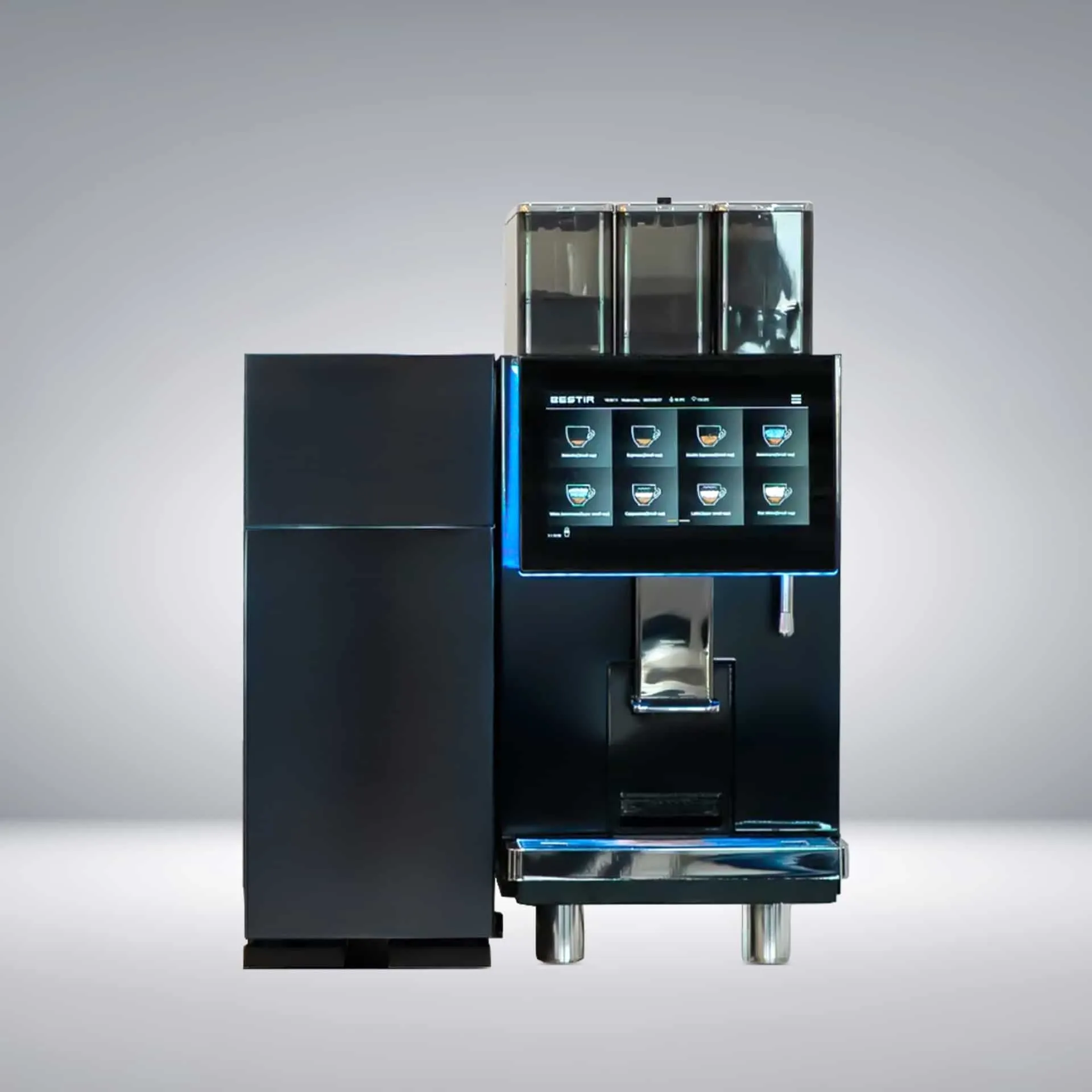
 BESTIR BM50
 BESTIR BM80
 BESTIR BMC300
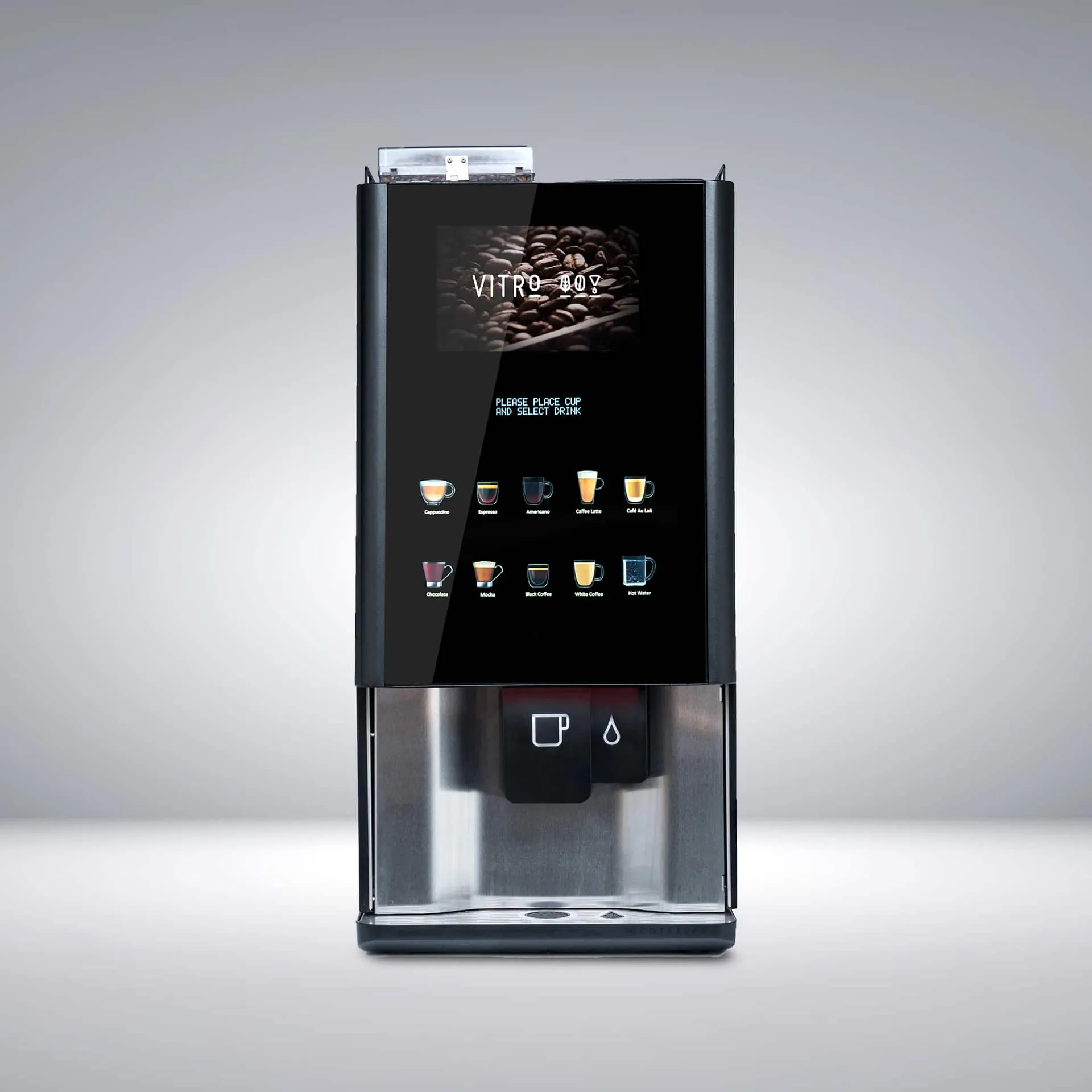
 Coffetek Vitro M5 MIA
 Coffetek Vitro S1
 Coffetek Vitro S1 MIA
 Coffetek Vitro X1 MIA
 Coffetek Vitro X3
 Primio Coffee Beans
 Espresso Coffee Beans
 Ultimo Coffee Beans
 Vero Coffee Beans
 Coffetek Vitro X4 ESP
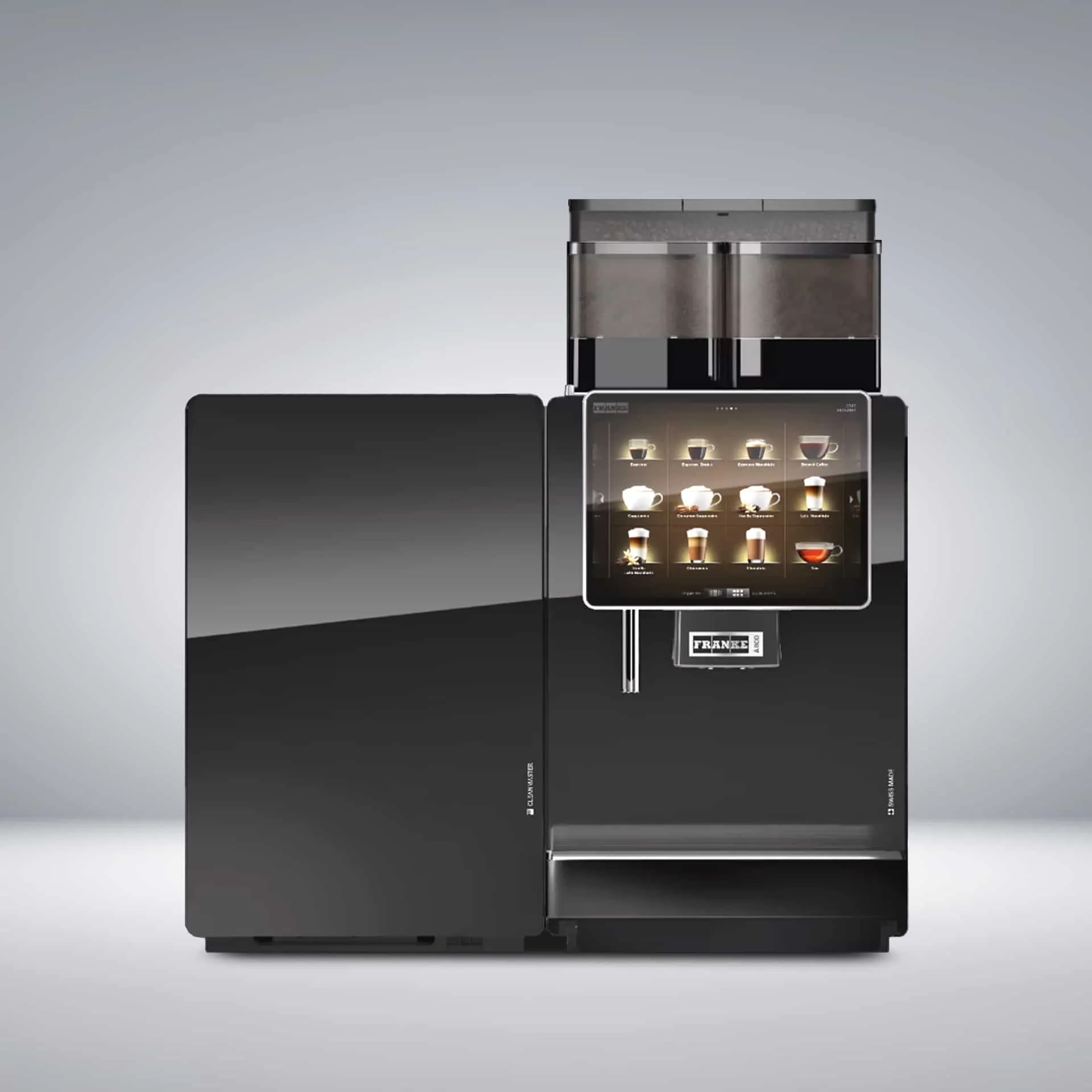
 FRANKE A300 FM
 FRANKE A400
 FRANKE A600
 FRANKE A800
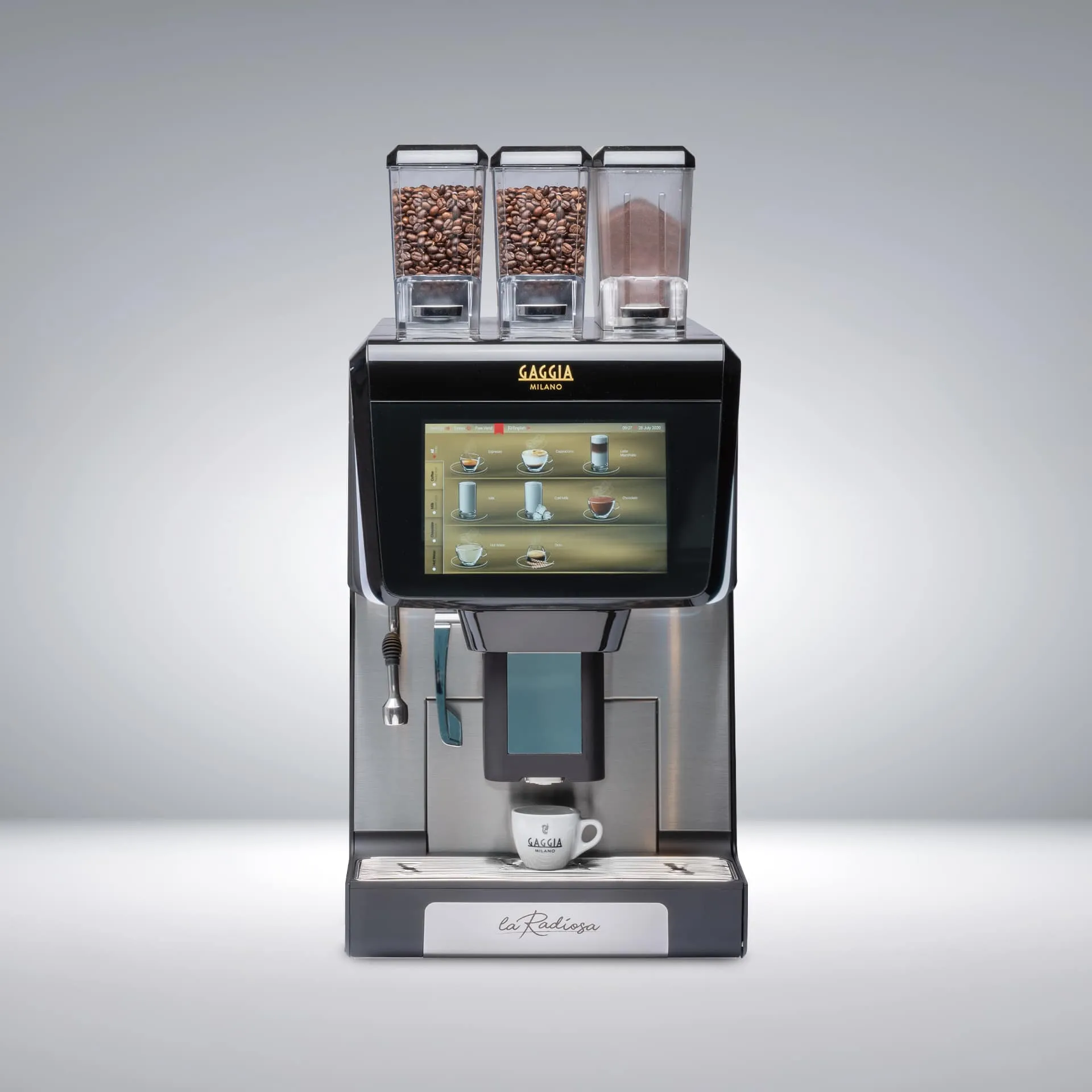
 Gaggia Milano LA BRILLANTE
 Gaggia Milano LA RADIOSA
 Gaggia Milano LA SOLARE
 Jura GIGA X3 GEN II
 Jura GIGA X8 - GEN II
 Jura W8 - GEN II
 Jura X10
 NECTA KALEA PLUS
 Rex-Royal S1
Café Queue Reduction for Busy UK Businesses
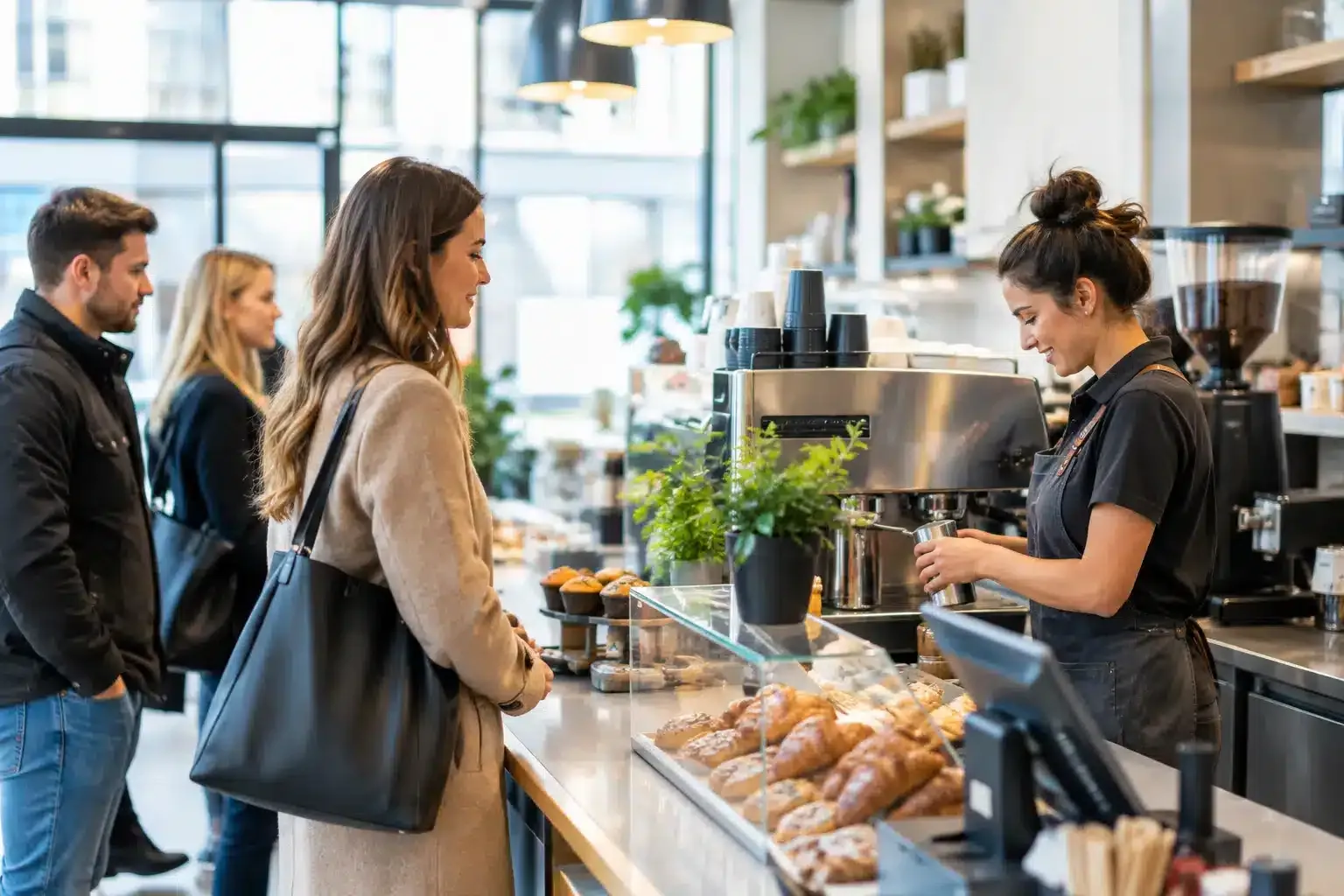
The 8:45 coffee rush is where a good refreshment offer can become a daily frustration. When colleagues, guests or customers are waiting for drinks, café queue reduction is not simply about serving coffee faster. It is about protecting the experience: less time spent waiting, fewer abandoned orders, and a calmer start to the working day.
For offices, hotel lounges, showrooms and busy cafés, the answer is rarely one dramatic change. Better throughput comes from matching the machine, menu, layout and support plan to the real demand on site. Get that match right and premium coffee can remain a reason to pause, rather than the reason people are late for their next meeting.
Start café queue reduction with the real demand
A machine that performs well in a quiet meeting room may struggle in a 150-person office where most drinks are ordered within 40 minutes each morning. Daily cup volume matters, but peak volume matters more. If 80 drinks are made across a day but half are required before 10am, capacity needs to be planned around that concentrated demand.
Look at the busiest periods over a typical week, not the average. Consider how many drinks are made in a 15-minute window, which drinks are most popular, and whether one person is preparing every order or users serve themselves. This gives you a practical benchmark for machine output, milk capacity and staffing.
A commercial bean-to-cup machine is often a strong fit where speed and consistency are priorities. At the press of a button, it can grind, dose, brew and dispense a drink to a pre-set recipe. That removes many of the steps that slow down a traditional manual station, particularly when a queue is made up of people who are not trained baristas.
There is a trade-off. A more capable machine represents a larger investment than a basic countertop unit, and it needs enough demand to justify it. However, under-specifying equipment can cost more over time through queues, poor drink quality, repeat cleaning interruptions and early replacement.
Choose equipment for throughput, not just cup quality
Good coffee is essential, but a premium bean blend alone will not shorten a queue. The machine needs to produce the drinks people actually order at the pace your location requires.
Fresh milk or powdered milk?
Fresh milk systems offer an excellent café-style result and are especially worthwhile in client-facing areas, hospitality settings and offices where the coffee offer is part of the employee experience. They do, however, require disciplined daily cleaning and sufficient milk storage. If the milk fridge is empty or the system has not been cleaned correctly, service stops.
Powdered milk machines can be a practical option for high-volume, self-service environments. They are fast, straightforward to operate and reduce the need for chilled milk handling. The best choice depends on your quality expectations, menu and the people responsible for looking after the machine. For many businesses, fresh milk is the right call - provided the cleaning routine and peak-time refilling are properly planned.
Consider dual output and larger ingredient capacity
Where queues are regular, a machine with dual dispensing can make a meaningful difference. Preparing two compatible drinks at once reduces the time each customer spends at the machine. Larger bean hoppers, waste containers and water capacity also prevent the small stoppages that quickly build a queue during a busy period.
Plumbed-in machines are often preferable for high-use sites because staff do not need to refill water tanks mid-service. They need a suitable water connection and installation assessment, but the operational gain can be considerable. In a smaller showroom or serviced office, a tank-fed machine may be more practical and easier to position.
Simplify the menu at peak times
A broad menu looks impressive until the busiest 20 minutes of the day. Every unusual customisation, manual adjustment or unfamiliar option adds decision time and preparation time. That does not mean reducing your offer to black coffee and tea. It means designing a menu that works in the real world.
Put the most popular drinks first on the screen or menu board. Use clear, familiar names and keep the number of options proportionate to the setting. If cappuccinos, flat whites and americanos account for most orders, make those choices effortless. Seasonal specials and less common drinks can still have a place, but should not complicate the main ordering journey.
Recipe settings matter too. A drink that dispenses slightly too slowly or requires repeated manual changes may not be noticeable in isolation. Multiply that delay across a morning rush and it becomes a queue. Pre-programmed recipes help maintain both speed and consistency, so users do not have to guess proportions or settings.
Make the service area work harder
Queue problems are often layout problems in disguise. A machine may be quick, but if people collect cups, choose a drink, add sugar, find a lid and wait for milk all in the same narrow space, the flow breaks down.
Think in stages: choose, make, collect, finish and leave. Cups, lids and stirrers should be available before users reach the machine. Sugar, sweeteners and other finishing items should sit beyond the collection point, allowing the next person to start their order. This small change can prevent people from blocking the machine while they organise their drink.
For self-service areas, clear instructions are equally valuable. A simple prompt explaining how to select a drink, where to place a cup and what to do if the machine needs attention reduces hesitation. It also cuts down on the well-meaning colleague who presses the wrong button and holds up everyone behind them.
If space allows, separating coffee and hot water can help. Tea drinkers do not need to wait behind a line of milk-based coffee orders, and coffee users are not delayed by someone preparing a large round of teas. It is a modest operational decision with a noticeable effect in mixed-use workplace kitchens.
Prevent downtime before it creates a queue
The fastest coffee machine cannot help if it is out of beans, needs emptying or displays a cleaning alert at 9am. Queue reduction depends on routine ownership.
Assign daily checks to a named person or team, even when a machine is largely self-service. Beans, milk, cups, water and cleaning materials should be checked before the peak period, not once people are already waiting. Waste containers and drip trays need the same attention. These are simple tasks, but they are often overlooked when responsibilities are vague.
Cleaning should be treated as part of service quality, not an optional extra. Fresh milk machines in particular need the correct daily process to protect hygiene, performance and drink taste. A machine that is easy to clean is often more valuable than one with extra features that no one has time to maintain properly.
Reliable maintenance support also matters. Commercial equipment works hard, especially in shared environments where many people use it differently. A planned maintenance option can reduce the risk of preventable faults and provide a clear route to help when issues arise. For businesses without an in-house facilities team, this support can be the difference between a short interruption and a prolonged loss of service.
Measure what changes after installation
The best café queue reduction plan is not based on assumptions. Once a new machine, layout or menu has been introduced, watch what happens at the busiest times. Are people moving through faster? Is there still a bottleneck around milk, cups or payment? Are staff being interrupted to troubleshoot the machine?
Feedback is useful, but observation is better. A queue of six people may be acceptable in a busy café if it moves steadily and the service feels organised. The same queue in an office kitchen can feel excessive if people are waiting for a machine to finish one complicated drink at a time. Context matters.
It is also worth planning for change. A growing team, a new office layout or a busier customer area can quickly alter coffee demand. Flexible rental, leasing or purchase options make it easier to select equipment for what you need now without treating the decision as permanent. Full House Coffee can assess your site, expected cup volume and service expectations to help identify a commercial machine that suits the way your business actually operates.
The aim is not to rush every coffee moment. It is to remove the avoidable waiting, so staff and guests can enjoy a properly made drink and get on with their day.