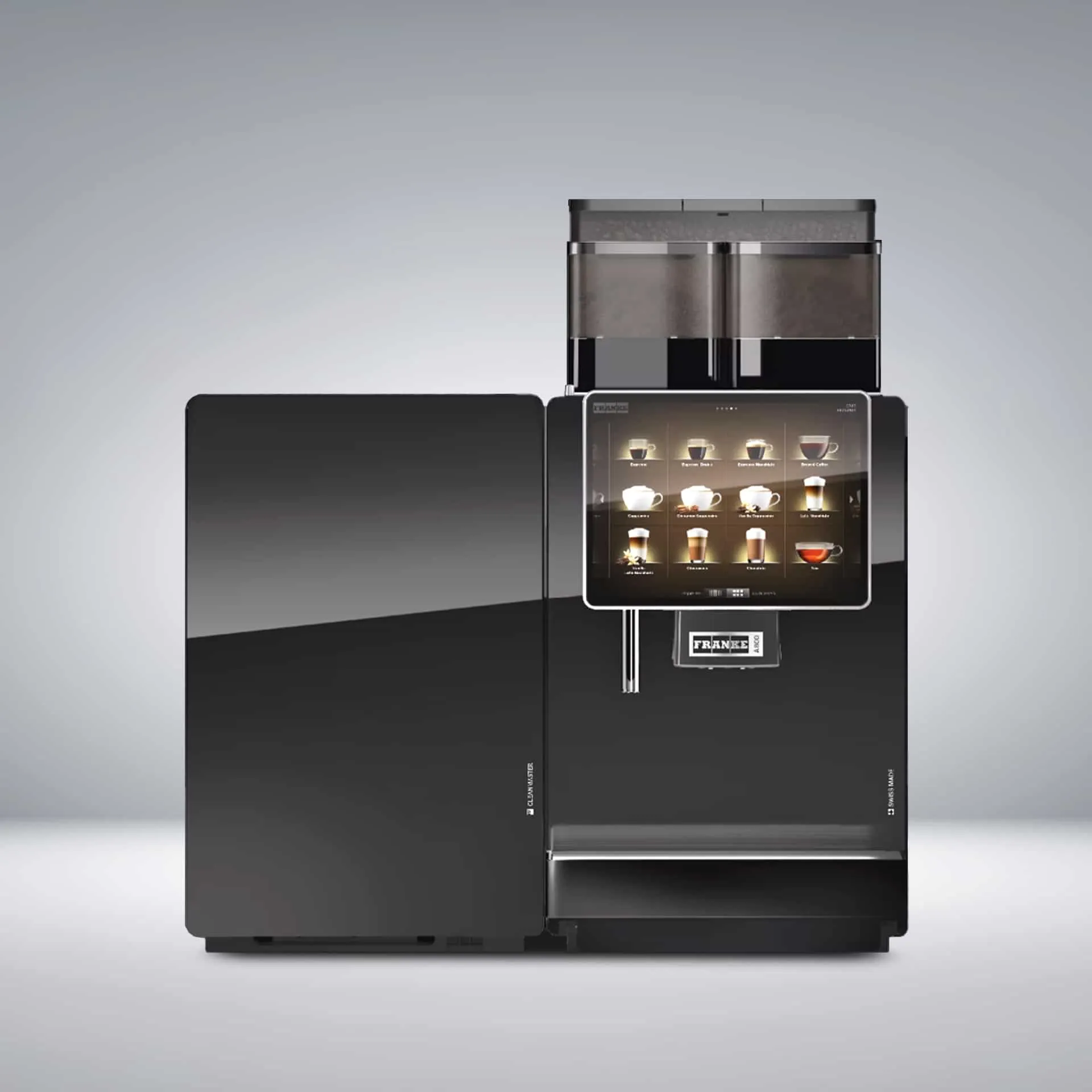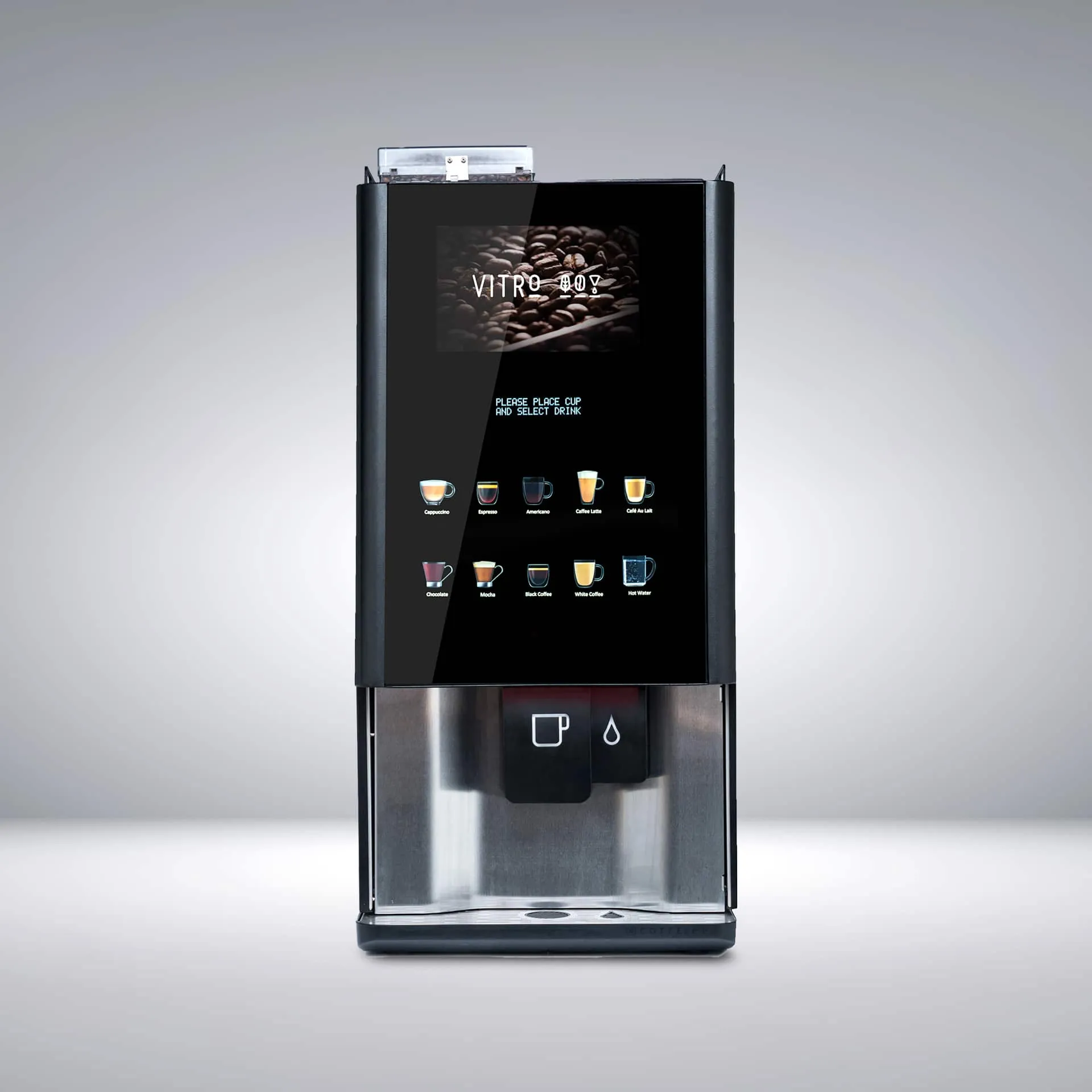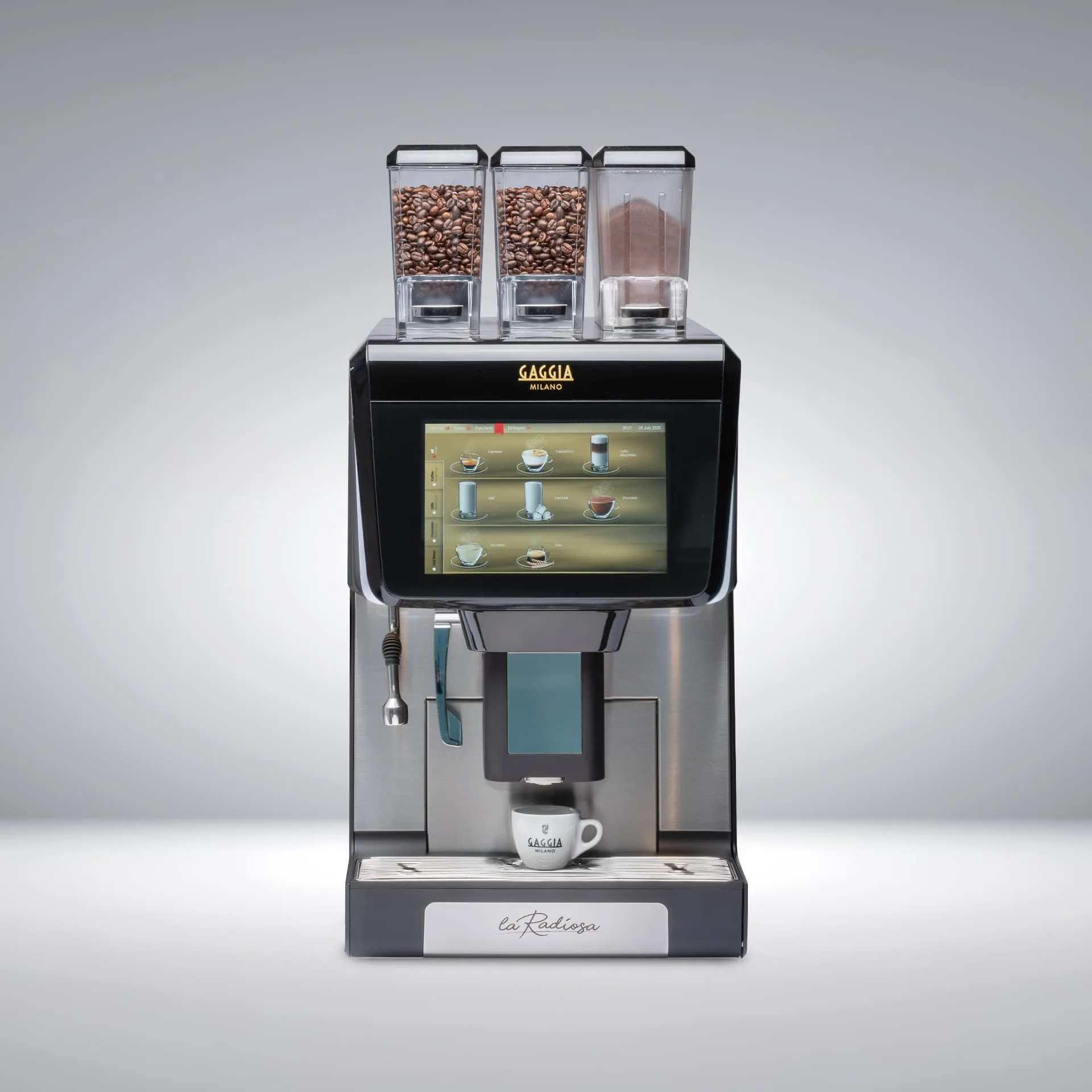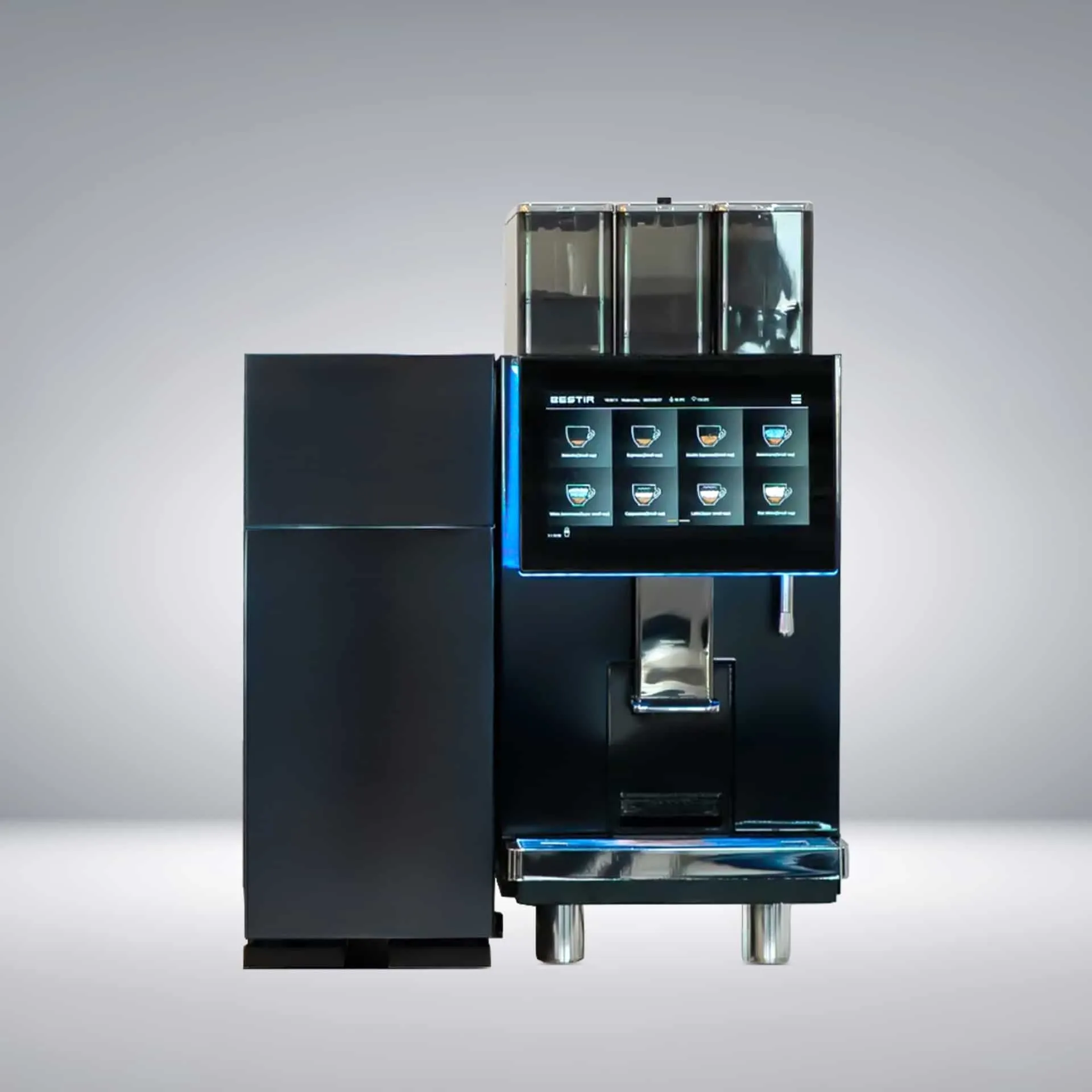
 BESTIR BM50
 BESTIR BM80
 BESTIR BMC300
 Coffetek Vitro M5 MIA
 Coffetek Vitro S1
 Coffetek Vitro S1 MIA
 Coffetek Vitro X1 MIA
 Coffetek Vitro X3
 Primio Coffee Beans
 Espresso Coffee Beans
 Ultimo Coffee Beans
 Vero Coffee Beans
 Coffetek Vitro X4 ESP
 FRANKE A300 FM
 FRANKE A400
 FRANKE A600
 FRANKE A800
 Gaggia Milano LA BRILLANTE
 Gaggia Milano LA RADIOSA
 Gaggia Milano LA SOLARE
 Jura GIGA X3 GEN II
 Jura GIGA X8 - GEN II
 Jura W8 - GEN II
 Jura X10
 NECTA KALEA PLUS
 Rex-Royal S1
Is a Coffee Machine Lease for Cafés Right?

The morning queue is not where a café should discover its coffee machine is too slow, too complicated or too expensive to keep running. A coffee machine lease for cafés can give operators access to capable commercial equipment without committing a large amount of capital upfront. But the right agreement is about far more than a manageable monthly payment. It needs to support the way your team works, the drinks your customers order and the level of service your reputation depends on.
For an independent café, a growing hospitality group or a customer-facing showroom with a café offer, leasing can be a sensible route to better coffee. The value comes from choosing the right specification from the outset, then agreeing terms that leave room for the business to change.
What does a coffee machine lease for cafés involve?
A commercial coffee machine lease generally spreads the cost of equipment over an agreed term, rather than requiring full payment at the point of installation. Depending on the supplier and arrangement, the monthly cost may cover the machine only, or sit alongside separate agreements for coffee beans, installation, water filtration and maintenance.
This distinction matters. A lease can make a premium bean-to-cup or traditional espresso setup more accessible, but it is not automatically an all-inclusive service package. Before comparing monthly figures, establish exactly what is supplied, who is responsible for repairs and what happens if the machine is unable to operate during a busy service.
For many cafés, the strongest arrangement combines suitable equipment with responsive support and a practical coffee supply plan. That gives the operator one clear route for managing a core part of the customer experience, rather than juggling machine finance, engineer call-outs and bean orders independently.
Why leasing can work well for café operators
Cash flow is often the immediate reason to consider leasing. A new commercial machine, grinders, water treatment and installation can represent a significant initial outlay. Spreading equipment costs can preserve working capital for stock, staffing, marketing, fit-out improvements or seasonal trading pressures.
Leasing may also make it possible to select a machine with the capacity and features the café genuinely needs. Cutting the purchase price by choosing an underpowered machine can be costly if it produces long queues, inconsistent milk texture or regular downtime. A well-specified machine should help staff produce drinks quickly and consistently, even when the counter is under pressure.
Flexibility is another consideration. A café that begins with modest weekday trade may develop a strong takeaway following, add brunch service or open another location. Where the agreement allows an upgrade or change of machine, the equipment can better reflect the operation rather than becoming a constraint.
That said, leasing is not automatically the lowest-cost option over the full term. An established café with available capital, stable demand and a clear long-term equipment plan may prefer to purchase outright. The best decision depends on the total commitment, not simply the first monthly figure.
Choose capacity before comparing monthly prices
The most useful starting point is your likely daily volume, especially the busiest 30 to 60 minutes of service. A machine that can cope with 100 drinks across a full day may still struggle if a large proportion are ordered between 8am and 10am.
Consider the drink mix as well. A predominantly espresso-based menu places different demands on equipment than a high volume of flat whites, lattes and hot chocolates. Fresh milk systems can provide an excellent result and a premium presentation, but they require proper cleaning routines, refrigeration planning and staff discipline. Powder milk options may suit some self-service or lower-volume environments, but they are rarely the first choice for a speciality café proposition.
Questions worth answering at site assessment
A proper recommendation should take account of your counter layout, staff workflow, water supply, drainage options and electrical capacity. It should also consider whether the machine will be operated by trained baristas, front-of-house staff with mixed experience or customers using a self-service station.
Think about bean hopper capacity, the number of grinders, steam power, drink programming and whether a plumbed-in machine is practical. Water filtration deserves particular attention. It protects equipment from scale and can improve cup quality, particularly in hard-water areas. A lower monthly equipment cost is poor value if the machine is poorly installed or repeatedly affected by preventable water issues.
Understand the full cost, not just the lease payment
When reviewing a coffee machine lease for cafés, ask for a clear view of all regular and occasional costs. This makes it easier to compare offers fairly and protect margins.
Your figures should account for the equipment payment, installation, filtration, servicing, repair cover, cleaning products, coffee beans, milk, cups and staff training. Some costs will vary with volume, while others will be fixed. The key is knowing which is which.
Also ask how the agreement treats call-outs caused by cleaning failures, blocked lines or accidental damage. A maintenance plan can be valuable, but its scope should be understood in plain language. Check expected response times, whether preventative servicing is included and whether a replacement solution is available if a major repair is required.
A café should not need to become a coffee equipment specialist to keep its service moving. However, daily care remains essential. Leasing and maintenance support work best when staff have straightforward cleaning responsibilities and know when to report an issue before it becomes a breakdown.
Match the machine to your service style
There is no single best coffee machine for every café. A traditional multi-group espresso machine may be the right choice where skilled baristas and theatre at the counter are central to the brand. It offers control and can produce exceptional coffee, but it requires trained staff, grinders, careful dialling-in and consistent workflow.
A premium commercial bean-to-cup machine can be a strong option where speed, repeatability and simpler operation matter most. It is particularly useful in cafés with a compact team, sites where staff rotate between duties, or venues needing reliable coffee alongside food service. Modern fresh milk bean-to-cup machines can deliver a wide menu quickly, provided the chosen model has the correct capacity and milk system for demand.
Hybrid setups can also make sense. A café may use a barista machine for its core menu while placing a bean-to-cup unit in a meeting area, breakfast space or secondary counter. The right answer depends on customer expectations and operational reality, not equipment fashion.
Read the agreement with growth in mind
Before signing, ask practical questions about the end of the term. Can you upgrade if sales grow? Is there an option to buy, return or replace the machine? What happens if you move premises, sell the business or need a temporary solution during refurbishment?
It is equally sensible to check the length of the commitment. A longer term may reduce the monthly payment, but it can be less suitable for a new concept still testing its location and demand. A shorter or more flexible arrangement may cost more each month while reducing risk.
For multi-site operators, consistency can be especially valuable. Using comparable machines, beans and cleaning procedures across locations simplifies staff training and gives customers a recognisable experience. It also makes stock planning and maintenance coordination more manageable.
Make coffee quality part of the commercial decision
Equipment is only one part of the cup. The machine, grinder settings, water, beans, milk handling and cleaning regime all influence the result. A premium machine cannot compensate for unsuitable beans or neglected maintenance, just as excellent beans will not perform at their best through poorly configured equipment.
This is where an advisory approach pays off. Full House Coffee assesses commercial requirements around cup volume, available space, budget and preferred drinks, then helps businesses select an appropriate machine, bean supply and support arrangement. No pressure, just expert advice built around how the site actually operates.
A lease should give your café confidence at the counter, not another supplier relationship to manage. Choose equipment that fits your busiest service, ensure the support terms are clear, and leave enough flexibility for the next stage of your business. Good coffee is remembered long after the queue has gone.