 BESTIR BM50
 BESTIR BM80
 BESTIR BMC300
 Coffetek Vitro M5 MIA
 Coffetek Vitro S1
 Coffetek Vitro S1 MIA
 Coffetek Vitro X1 MIA
 Coffetek Vitro X3
 Primio Coffee Beans
 Espresso Coffee Beans
 Ultimo Coffee Beans
 Vero Coffee Beans
 Coffetek Vitro X4 ESP
 FRANKE A300 FM
 FRANKE A400
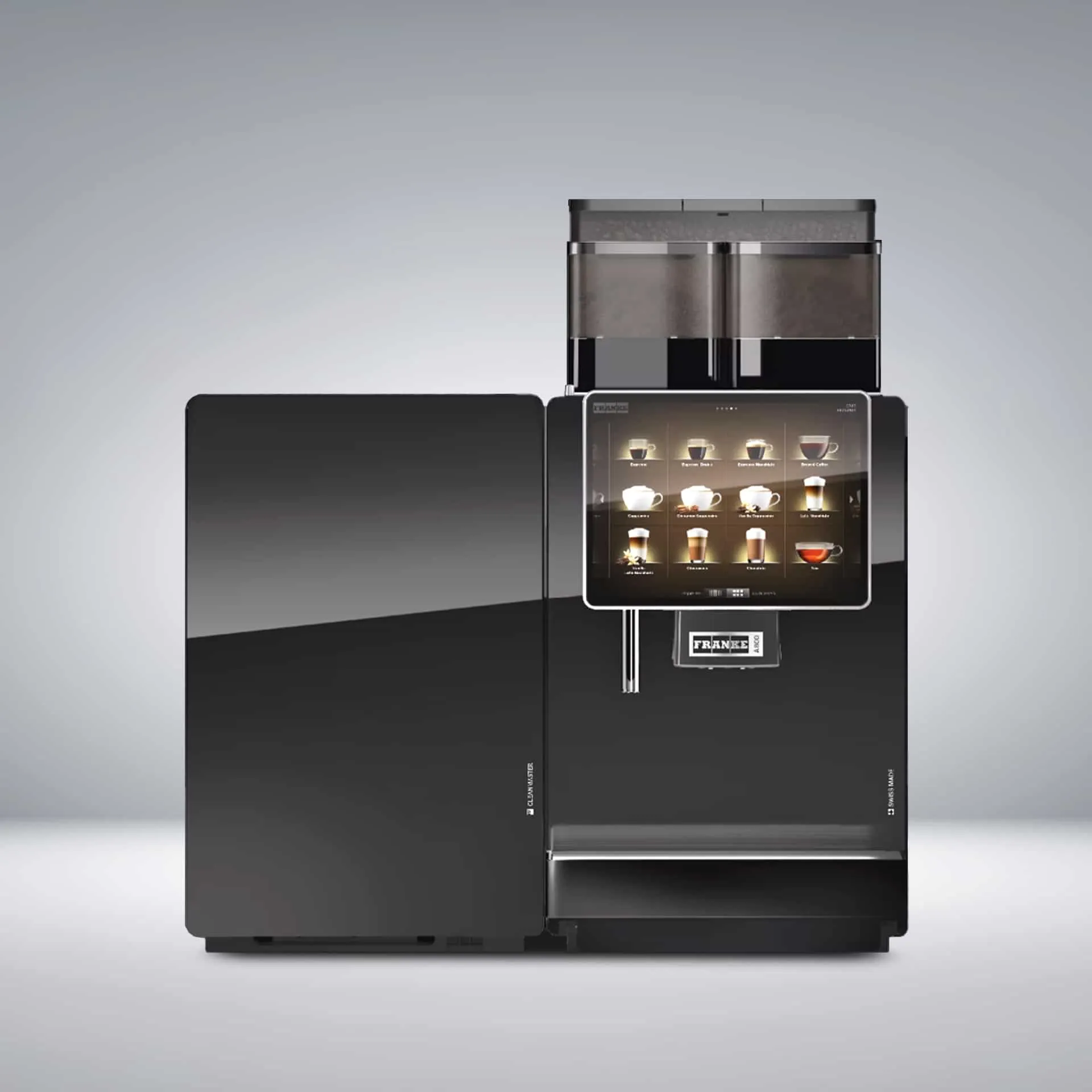
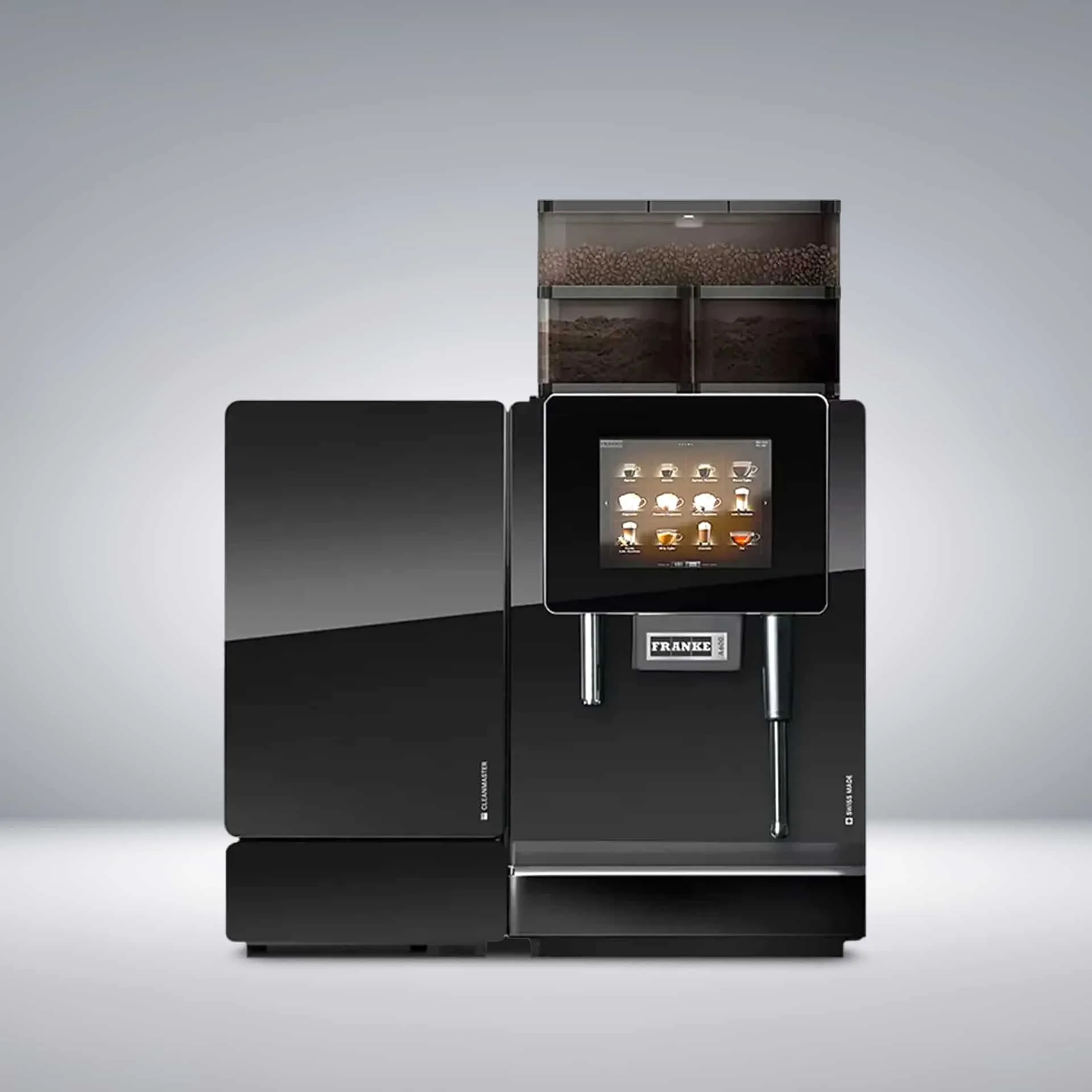
 FRANKE A600
 FRANKE A800
 Gaggia Milano LA BRILLANTE
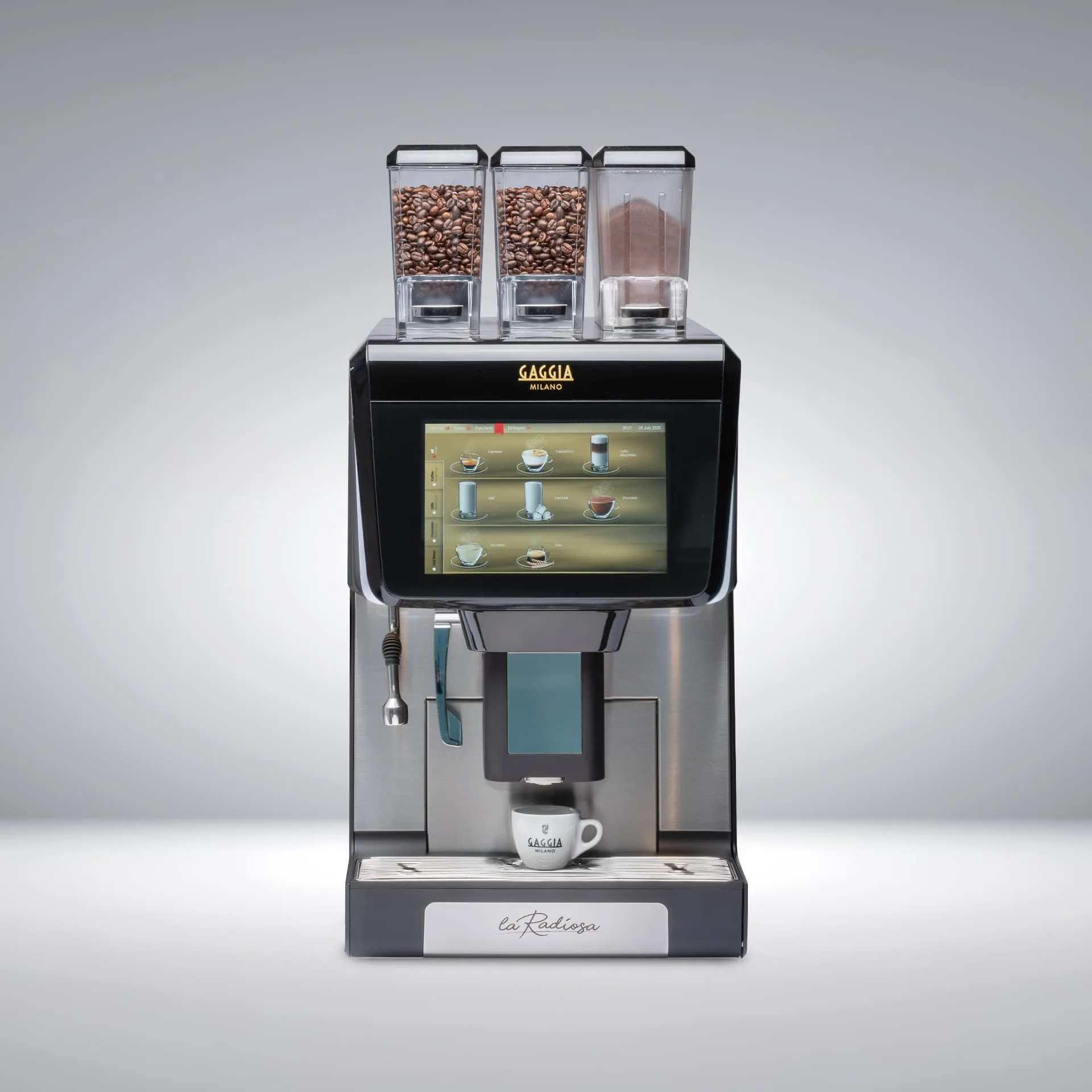
 Gaggia Milano LA RADIOSA
 Gaggia Milano LA SOLARE
 Jura GIGA X3 GEN II
 Jura GIGA X8 - GEN II
 Jura W8 - GEN II
 Jura X10
 NECTA KALEA PLUS
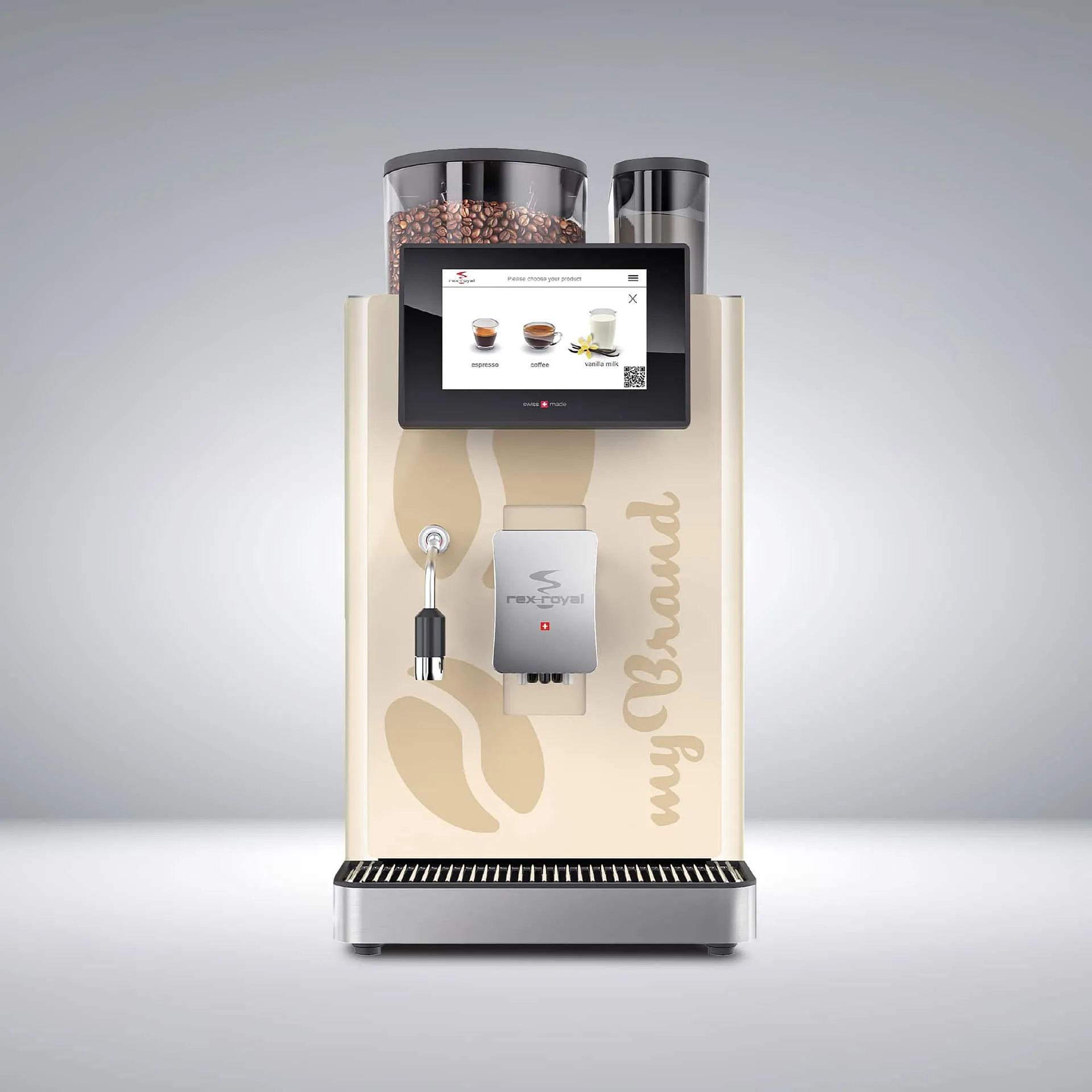
 Rex-Royal S1
How to Select Hotel Coffee Machines for Guests
A disappointing coffee at breakfast can colour a guest’s view of the whole stay. Equally, a queue at reception for a simple flat white can put pressure on your team at the busiest point of the day. Knowing how to select hotel coffee machines means looking beyond the machine’s appearance and choosing a setup that delivers consistently for your guests, staff and operation.
For most hotels, the right answer is not one machine for every area. Breakfast service, a lobby lounge, conference rooms and guest bedrooms all create different levels of demand. A well-planned coffee solution matches each setting with the right capacity, drink range and support arrangement.
Start with where and when coffee is served
Begin with the guest journey rather than the equipment. Consider every point at which someone may expect coffee: breakfast, check-in, meetings, bar service, room service and overnight stays. Then establish whether coffee is prepared by staff, offered as self-service, or both.
A busy breakfast room has a short, intense service window. It needs a commercial machine that can produce drinks quickly, handle repeated use and minimise queues. A self-service bean-to-cup machine can work particularly well where guests want choice without waiting for a team member.
The lobby is different. Here, presentation matters as much as output. A premium bean-to-cup machine with fresh milk can give guests barista-style drinks while allowing reception or lounge staff to focus on hospitality. In a conference suite, speed and simplicity often take priority. A machine with straightforward drink selection, large ingredient capacity and simple cleaning routines is usually the sensible choice.
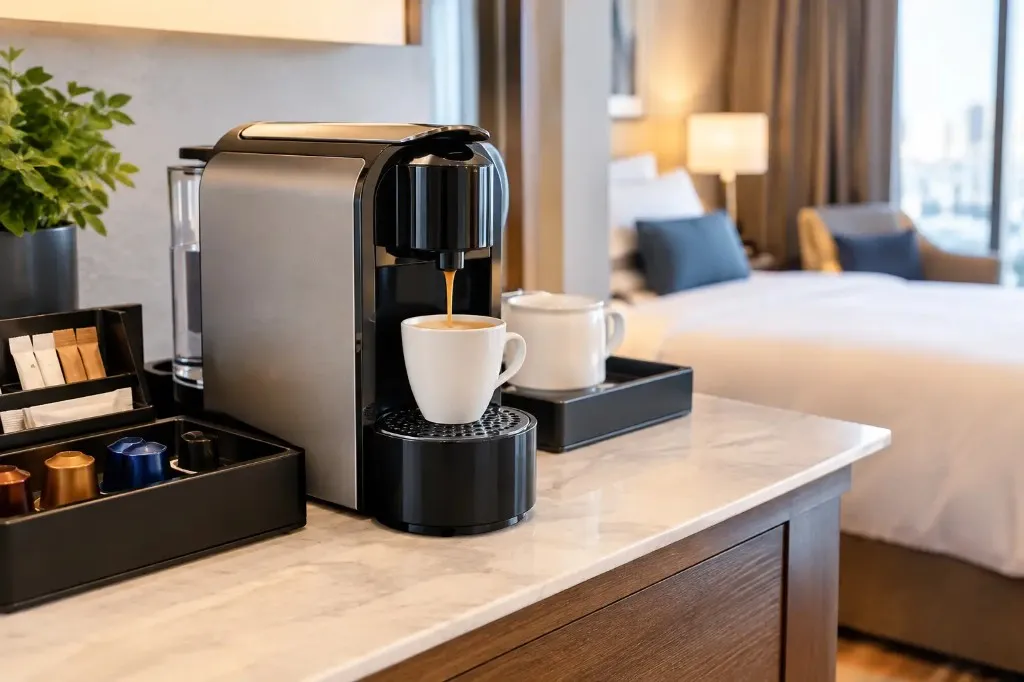
Guest room coffee is a separate decision. Small capsule or pod systems can offer a familiar, controlled experience, but they also create replenishment and waste considerations. For boutique hotels, a more premium in-room option may reinforce the brand. For larger properties, reliability, housekeeping time and cost per serving may matter more.
Calculate realistic daily demand
Machine capacity should be based on more than the number of bedrooms. A 60-room hotel can serve far more coffees than a 150-room property if it has a popular restaurant, regular events and heavy walk-in trade.
Estimate cups by location and by peak period. Look at occupancy levels, breakfast covers, meeting room bookings and the number of guests likely to buy coffee from the bar or lounge. Then build in headroom. A machine expected to make 100 drinks a day should not be selected solely because its stated maximum is 100 cups. Operating near its limit day after day can affect drink quality, refill frequency and component wear.
Peak output is just as important as total volume. If 80 guests arrive for breakfast within 30 minutes, one machine may create a bottleneck even if it is technically rated for the daily number of drinks. Two well-positioned machines can improve the experience and give you useful cover if one needs attention.
Match capacity to the service model
A smaller hotel lounge may be well served by one compact commercial bean-to-cup machine, particularly where staff prepare most drinks. A high-volume breakfast operation may require a larger unit, twin coffee machines or a professional traditional espresso setup operated by trained staff.
There is a trade-off. Larger machines generally offer more hoppers, bigger waste containers and higher throughput, but they require more counter space and investment. Choosing the smallest machine that just copes is rarely good value. Choose one that supports your busiest services comfortably.
Decide what standard of coffee your guests expect
Coffee quality should reflect your hotel’s positioning. A city-centre business hotel may need fast, consistent cappuccinos at breakfast and in meeting spaces. A luxury country house hotel may place greater emphasis on the theatre and craft of an espresso bar. Neither approach is automatically better. The key is delivering what your guests expect, consistently.
Bean-to-cup machines are a strong option for hotels that want freshly ground coffee with straightforward operation. They can produce espresso-based drinks at the touch of a button and are particularly effective in self-service areas, lounges and staff-supported breakfast spaces.
Traditional espresso machines give trained bar staff more control over extraction, milk texture and presentation. They are ideal where coffee is a visible part of the food and beverage offer, but they need skilled operators, a suitable grinder and more hands-on cleaning. If staff turnover is high or coffee is only a small part of your service, a premium automatic machine may be the more dependable choice.
Do not overlook the coffee itself. Fresh, well-matched beans, correct grinder settings and a sensible cleaning schedule have as much influence on the cup as the machine badge. A premium machine cannot compensate for stale beans or poor water quality.
Choose the right milk system
Milk is often where hotel coffee operations become complicated. Fresh milk produces a more authentic result and is the preferred option for many guests, especially for flat whites, lattes and cappuccinos. It does, however, require refrigeration, daily cleaning and clear staff routines.
Fresh milk bean-to-cup machines suit guest-facing areas where quality is a priority. Look for automatic milk cleaning functions, refrigerated milk units and drink settings that can be adjusted to your preferred recipes. A machine with an intuitive display also helps guests and staff select drinks without confusion.
Powdered milk systems can be practical in locations with lower supervision, such as some conference areas or staff rooms. They are simpler to manage and can reduce daily handling, but the drink quality and guest perception may not suit every hotel brand. For a premium breakfast or lobby offer, fresh milk is usually the better fit.
Consider dietary requirements too. Oat, soya and other alternative milks are increasingly expected. These should normally be handled separately to avoid contamination and maintain drink quality. In many hotels, the most practical approach is for staff to prepare alternative-milk drinks rather than placing multiple products through an automatic milk system.
Check water, power and counter space early
A site survey can prevent costly surprises. Before selecting a machine, confirm where it will sit, how guests and staff will access it, and whether there is adequate ventilation around it. Measure counter depth as well as width and height. A machine may fit beneath a shelf but leave no room to open its bean hopper or complete daily cleaning.
A plumbed-in machine is often the best option for high-volume hotel areas. It removes the need for manual water refills and supports uninterrupted service. It may also need filtration, drainage and professional installation. Where plumbing is not available, a tank-fed machine can provide flexibility, although staff will need to monitor and refill it.
Water filtration is not an optional extra in many parts of the UK. Limescale can affect flavour, cause faults and shorten equipment life. The right filtration setup protects the machine while helping maintain a consistent cup.
Build cleaning and maintenance into the decision
Hotel teams already have enough to manage. A coffee machine that looks impressive but demands complicated daily care can quickly become a burden. Ask exactly what needs to happen each day, each week and at service intervals, then decide who will be responsible.
Good commercial machines guide users through rinsing and cleaning cycles. Even so, milk systems, drip trays, grounds bins and brewing components still need proper attention. Make sure the process fits your staffing pattern, particularly for early breakfast shifts and late-night service.
Maintenance support is equally valuable. A machine out of action in the breakfast room is not a minor inconvenience. It affects guest satisfaction and creates extra work for staff. Rental or lease arrangements with planned servicing and responsive support can give hotel operators more certainty than a purchase-only approach, especially when demand changes through the year.
Full House Coffee can help assess daily volumes, available services and guest expectations before recommending a commercial setup, with flexible rental, lease and purchase options available.
Compare the full cost, not just the machine price
The cheapest machine is rarely the lowest-cost choice over time. Consider installation, water filtration, coffee beans, milk, cleaning products, servicing, repairs and the staff time needed to keep the equipment running well.
Leasing or renting can spread costs and make it easier to choose a higher-specification machine that supports the guest experience. It can also offer flexibility if you expand a breakfast area, add meeting rooms or change the way your hotel serves coffee. Buying may suit established properties with stable demand and an in-house approach to equipment management.
Ask suppliers to set out what is included. A clear commercial proposal should explain machine supply, installation requirements, bean options, maintenance cover and any call-out terms. No pressure, just expert advice is especially valuable when the choice affects several departments.
The best hotel coffee machine is the one guests barely have to think about: it is easy to use, quick at busy times and reliably produces a coffee worth coming back for.